White sheets can look crisp and inviting, but keeping them bright requires the right routine. This guide walks American readers through an efficient, safe method to wash white cotton sheets, remove stains, and maintain softness without fading or yellowing.
The following steps combine general laundry best practices with practical product usage to maximize whiteness while preserving fabric integrity.
Quick Answer
Pre-treat stains, soak when needed, use a non-chlorine or oxygen bleach to boost whitening, wash in hot or warm water as allowed by the fabric, and air-dry or tumble dry on low to minimize wrinkling and damage.
What You’ll Need
- Oxygen bleach for white cotton sheets 64 oz
- Non-chlorine bleach for white bed sheets spray
- Enzyme stain remover for white cotton sheets 16 oz
- Stain remover pen for white bed sheets
- Detergent whitening booster for cotton white sheets 100 oz
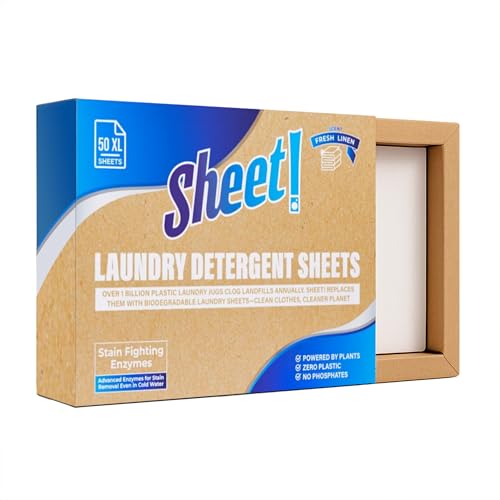


Before You Start
Check the care label on sheets for water temperature and fabric guidance. Pre-treat any set-in stains with a stain remover pen or enzyme remover. Use safety gloves when handling strong bleaches and work in a well-ventilated area if using sprays. Time may vary: plan about 1–2 hours for a standard wash plus pretreatment, or longer for soaking and extra whitening steps.
Surface prep matters: run a quick residue check on washing machine drums and ensure colors won’t bleed. Keep whites separate from colored linens to prevent dye transfer. For heavily soiled sheets, a warm water wash is typically more effective than cold, unless the care label specifies otherwise.
Step-By-Step: How To Clean White Sheets
- Sort and inspect: Remove loose debris, check pockets, and inspect for stains that need pre-treatment.
- Pre-treat stains: Apply enzyme stain remover to protein-based stains (sweat, body oils) and use a stain remover pen for small spots.
- Choose the whitening boost: If the care label allows, mix a recommended amount of detergent whitening booster with hot or warm water to maximize whitening.
- Pre-soak for tough stains: For stubborn areas, soak sheets in a solution of warm water and oxygen bleach for 30–60 minutes.
- Load and wash: Place sheets in the washer with appropriate water temperature, adding the whitening booster and a non-chlorine bleach spray if needed for extra whitening in a separate cycle.
- Rinse and repeat if necessary: Ensure thorough rinsing to remove any residue from boosters or pre-treaters; repeat wash if stains persist.
- Dry properly: Tumble dry on low heat or line dry to prevent shrinking and maintain fabric strength.
- Check results: If whiteness isn’t satisfactory, repeat with a second cycle or adjust soaking time, but avoid overuse of bleach to protect fibers.
Troubleshooting
| Symptom | Likely Cause | Fix | Prevention |
|---|---|---|---|
| Yellowing after multiple washes | Residual oils or mineral buildup | Add oxygen bleach and rewash; ensure thorough rinsing | Wash whites regularly; avoid overloading the washer |
| Stubborn stains remain | Deep-set stains or wrong product | Re-treat with enzyme remover; pre-soak longer | Treat stains promptly; use stain remover pen for spots |
| Fading color edges on white sheets | High heat or chlorine bleach use | Switch to non-chlorine bleach and lower heat | Follow care labels; avoid chlorine bleach on cotton |
| Wrinkled after drying | Overdrying or insufficient fabric spin | Remove promptly and smooth; use a wrinkle release setting | Use proper load size; remove promptly |
Common Mistakes
- Using chlorine bleach on cotton sheets, which can weaken fibers and cause yellowing over time.
- Washing whites with colored items, leading to color transfer.
- Overloading the washer, which prevents effective cleaning and rinsing.
- Skipping pre-treatment for noticeable stains, resulting in less effective whitening.
Tips For Best Results
- Run hot or warm washes only if the fabric care label permits; hot water often improves whitening for cotton.
- Use an enzyme-based stain remover for organic stains like sweat and oils.
- Pre-treat with a stain remover pen for small spots to prevent set-in stains.
- Store clean whites in a cool, dry place to maintain brightness between washes.
- Rotate whitening boosters with regular detergent to balance cleaning power and fabric care.
Call A Professional
Seek professional help if there are persistent or large stains that resist at-home products, or if fabrics show signs of dye transfer, pilling, or unusual wear after multiple wash cycles. If a sheet set is old or damaged beyond practical repair, a professional cleaner can advise on restoration options or safe disposal.
FAQ
Can I wash white sheets with hot water every time?
Only if the care label allows; hot water often helps whiten but can shrink or weaken some cotton blends.
Is chlorine bleach ever safe for white sheets?
Non-chlorine bleach is generally safer for daily whitening; chlorine bleach can damage fibers with repeated use.
How do I treat stains on new white sheets?
Prompt pre-treatment with enzyme remover or stain remover pen is effective for most fresh stains.
Should I use a whitening booster every wash?
Use as directed and alternating with regular detergent to reduce fiber stress while maintaining brightness.
Can I air-dry all white sheets?
Air-drying is safe for most cotton sheets, though a low-heat tumble can help reduce wrinkles and speed up drying.
Buying Guide
When selecting products to maintain bright white sheets, consider size, compatibility with your washer, and fabric type. Important factors include:
- Size and capacity: Choose boosters and pre-treatment products that work well with your sheet dimensions and washing machine capacity.
- Whitening power: Oxygen-based products are effective and gentler on fibers; non-chlorine options are a safer alternative for regular use.
- Enzyme formulations: Enzymes target organic stains, helping remove oils and sweat without harsh chemicals.
- Application methods: Sprays and pens offer targeted spot treatment; boosters and powders provide bulk whitening power.
- Care compatibility: Ensure products align with cotton-only or mixed-fabric sheets per care labels.
- Cost and consumption: Consider the effective lifespan of a 64 oz vs. 100 oz bottle and plan for regular use.
- Noise and energy considerations: For frequent wash cycles, choose efficient, quiet detergents and boosters to minimize energy impact.
- Placement and storage: Store in a cool, dry place away from moisture to preserve product efficacy.