Squeaky door hinges are a common annoyance in homes across the United States. A little maintenance can quiet the creaks and extend the life of door hardware without major replacement. This guide covers practical steps, safe products, and smart habits to keep hinges moving smoothly.
Across various homes, the root causes are dry metal, loose screws, or minor misalignment. Following a structured approach helps ensure the fix lasts longer and doesn’t create new noise. The methods below emphasize accessible tools and commonly available lubricants that work well on most interior and exterior doors.
Quick Answer
Identify whether the hinge is dry or loose, then apply a suitable lubricant. If hinges are stubborn, remove the hinge pin and lubricate the pin itself before reassembling. For persistent squeaks, use penetrating oil and consider a hinge pin remover tool to replace damaged parts.
What You’ll Need
The following tools and lubricants cover typical fixes. Gather items before starting to streamline the process.
- Door hinge lubricant silicone spray
- Squeaky door hinge repair kit
- Hinge pin remover tool
- Penetrating oil for door hinges
- Door hardware lubricant spray

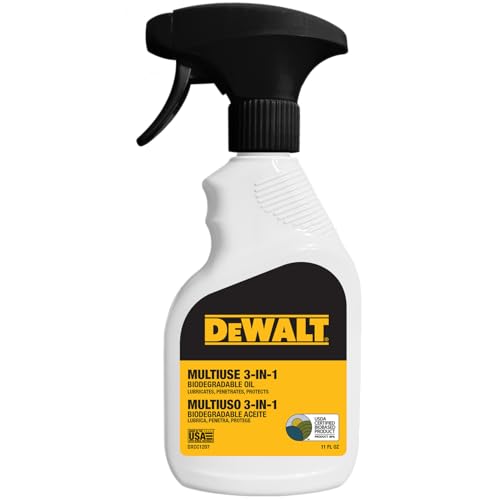

Before You Start
Assess the hinge area for visible looseness or binding. Check the screws and hinge alignment against the door frame. If you notice stripped screw holes or damaged hinge leaves, plan for repair or replacement. Safety first: wear eye protection if you’re working with power tools or removing pins above floor level.
Estimate your time: a quick lubrication takes about 15 minutes for a single door; more complex fixes might take 30–60 minutes. Prepare a clean workspace and have a small catch tray or cloth to collect any lubricant drips.
Step-By-Step: How To Quiet Squeaky Door Hinges
- Close the door, then inspect visible screws. Tighten any loose screws with a screwdriver, ensuring the hinge sits flush against the door frame.
- Shim the hinge if misalignment is evident. Use a thin washer or cardboard piece behind the hinge plate at the screw locations to achieve proper alignment.
- Apply a small amount of door hinge lubricant silicone spray to the hinge pivot. Target the hinge barrel rather than the surrounding wood to prevent staining.
- Operate the door back and forth to distribute the lubricant. Open and close the door several times to work the product into the moving parts.
- If noise persists, remove the hinge pin with a hinge pin remover tool. Tap gently with a small hammer if the pin is tight, taking care not to damage the door or frame.
- Clean and lubricate the pin. Wipe any old grime from the pin, then coat it with penetrating oil for door hinges or door hardware lubricant spray before reinserting.
- Reinsert the pin and test again. Ensure the pin sits straight and the hinge operates smoothly without sticking.
- If the squeak remains, consider replacing worn pins or hinges. A squeaky hinge repair kit often includes replacement pins and seals for longer-lasting relief.
Troubleshooting
| Symptom | Likely Cause | Fix | Prevention |
|---|---|---|---|
| Squeak persists after lubrication | Dry lubricant spread unevenly or internal wear | Reapply lubricant focusing on the pivot and pin; wipe excess | Lubricate on a regular schedule, not just when squeaks occur |
| Door sticks or binds after closing | Misalignment or swollen wood | Loosen and reposition hinge, or add shims for alignment | Check humidity levels and seal gaps to reduce swelling |
| Screws loosen quickly | Over-torqued or warped screw holes | Replace with longer screws or use hinge repair kit components | Use proper screw size and fresh pilot holes next time |
| Pin won’t remove easily | Rust or paint seal on pin | Apply penetrating oil; use hinge pin remover tool carefully | Lubricate hinges periodically to prevent seizing |
Common Mistakes
- Over-lubricating, which can attract dust and create more noise.
- Using oil-based lubricants on porous wood or finished surfaces, causing staining.
- Forcing pins or screws, risking damage to the door or frame.
- Neglecting loose screws that allow continued misalignment.
Tips For Best Results
- Apply lubricants in a well-ventilated area and wipe excess promptly to avoid drips on flooring.
- Choose a silicone-based spray for metal-to-metal contact for lasting lubrication.
- Regularly inspect hinges during seasonal maintenance and after home remodeling projects.
- Keep a small toolkit with a screwdriver, lubricant, and spare hinge pins for quick fixes.
Call A Professional
Consider contacting a professional if:
the door binds severely, screws or mounting holes are stripped beyond repair, or the door requires hinge replacement that involves routing or repainting. If you notice structural damage around the hinge area or persistent misalignment after multiple fixes, a licensed handyman or carpenter should assess the project.
FAQ
Should I use oil or silicone spray for squeaky hinges?
Silicone spray provides a clean, long-lasting lubrication for metal hinges and is generally recommended over oily products that can attract dust.
What if the hinge pin won’t come out?
Apply penetrating oil, wait a few minutes, then use a hinge pin remover tool with gentle taps to loosen the pin without damaging the door.
Can I use WD-40 on hinges?
WD-40 can be used as an initial clean, but it is not ideal as a long-term lubricant for hinges. Follow with a dedicated hinge lubricant for lasting results.
How often should hinges be lubricated?
Inspect and lubricate every 6–12 months, or sooner if the door is used heavily or experiences humidity fluctuations.
Is it safe to remove hinge pins on interior doors?
Yes, with caution. Work slowly, support the door, and keep pins organized for proper reassembly.
What if the door still squeaks after all fixes?
Persisting squeaks may indicate a warped frame, hinge wear beyond repair, or alignment issues that require a professional assessment.
Buying Guide
When shopping for door hinge maintenance products, consider size, noise reduction, efficiency, control options, and placement. For most homes, a silicone-based door hinge lubricant spray offers quick, clean relief and broad compatibility with metal hinges. A squeaky door hinge repair kit can be valuable for fixed pins and replacement parts, especially in older doors with worn hardware. A hinge pin remover tool helps with stubborn pins and long-term maintenance. Penetrating oil for door hinges is useful for rusted parts but should be paired with a dedicated lubricant for best results. Look for products labeled specifically for door hardware and avoid hacks that suggest off-label use on unfinished surfaces. Choosing a versatile kit and a reliable spray ensures steps above are effective, reduces repeat squeaks, and keeps doors moving smoothly without costly repairs. Curious about placement? Most hinges operate best when mounted flush with the frame and door; ensure screws are tight and the frame is sound before applying lubrication. For multi-door homes or high-use doors, a quick maintenance routine every season can prevent squeaks from developing anew.