Cleaning a glass ceramic cooktop requires careful techniques to remove burnt-on stains without scratching the surface. This guide provides practical, step-by-step instructions using common kitchen tools and specifically chosen products to keep your cooktop looking like new.
Quick Answer
Use a dedicated glass cooktop cleaner or paste, apply with a non-scratch pad or microfiber cloth, scrub gently for tough spots, wipe with a damp cloth, and finish with a dry microfiber to remove streaks. For stubborn residue, a glass cooktop scraper with a razor blade can be used carefully at a shallow angle.
What You’ll Need
- Glass cooktop scraper with razor blade
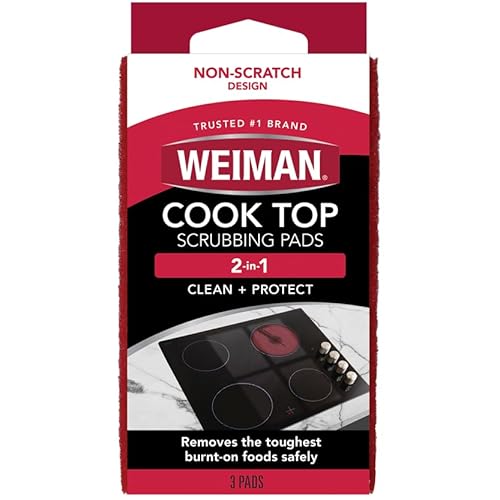
- Ceramic glass cooktop cleaning kit non-scratch pad
- Cooktop cleaner paste for glass cooktop
- Microfiber cloths for glass cooktop cleaning
- Non-scratch scrub sponge for ceramic cooktop


Before You Start
Ensure the cooktop is completely cool before cleaning. Remove any loose debris with a dry microfiber cloth. Work in a well-lit area to spot stains easily. Do a small test in an inconspicuous spot if using a razor blade scraper. Avoid using metal scrapers or abrasive powders that can scratch the surface.
Estimate time: 15–30 minutes for routine cleaning; longer for heavy buildup. Keep cleaning products out of reach of children and pets.
Step-By-Step: How To Clean A Glass Cooktop
- Remove loose crumbs with a dry microfiber cloth.
- Apply a small amount of cooktop cleaner paste to the affected area.
- Use a non-scratch pad or microfiber cloth to spread the paste in circular motions, lifting burnt-on residue.
- For stubborn spots, use the non-scratch scrub sponge with light pressure until the stain loosens.
- If residue remains, carefully use the glass cooktop scraper with razor blade at a shallow angle (do not apply heavy pressure).
- Wipe away lifted residue with a damp cloth; rinse the area to remove all cleaner traces.
- Buff the surface with a clean, dry microfiber cloth to remove streaks and restore shine.
- Inspect the surface in bright light; repeat steps 2–7 as needed for difficult stains.
- Finish with a final wipe and allow the surface to dry completely before use.
- Store cleaning tools in a dry area to prevent rust or contamination.
- Optional: Repeat monthly for a consistently spotless cooktop.
Troubleshooting
| Symptom | Likely Cause | Fix | Prevention |
|---|---|---|---|
| Cloudy or hazy surface | Residue build-up or cleaner left behind | Re-clean with cleaner paste and microfiber cloth | Wipe down thoroughly after each use |
| Scratches visible after cleaning | Using abrasive pad or metal scraper | Switch to non-scratch pads and gentle motions | Only use razor blade scraper on very light, controlled contact |
| Stubborn burnt-on stains | Heavy residue baked onto the surface | Apply paste, let sit briefly, then scrub with non-scratch sponge | Apply cleaner more often to prevent buildup |
| Streaking after drying | Wet cloth leaving moisture | Buff with a dry microfiber cloth | Use small, circular motions and a final dry pass |
Common Mistakes
- Using harsh abrasive cleaners that scratch glass surfaces
- Scraping too aggressively with a razor blade at a steep angle
- Cleaning a hot surface or using overly hot cleaners
- Neglecting to wipe off cleaner residue completely
Tips For Best Results
- Apply cleaner paste in small amounts and build up only where needed
- Work in a circular motion for even coverage
- Let a cleaner sit on stubborn stains for a few minutes before scrubbing
- Keep microfiber cloths dedicated to glass cooktop cleaning to avoid lint residues
Call A Professional
Contact a pro if you notice deep cracks, chips, or if stains persist after multiple cleanings. Do not attempt heavy structural repairs yourself. Seek professional help for any damage that may affect safety or heat distribution.
FAQ
What is the best cleaner for a glass cooktop?
Specialized cooktop paste or cleaner designed for glass ceramic surfaces is recommended for effective stain removal without scratching.
Can I use a razor blade to remove burnt-on stains?
Yes, but only with a glass cooktop scraper and at a very shallow angle; avoid heavy pressure and inspect frequently.
How often should I clean my glass cooktop?
Wipe daily with a damp cloth to remove spills, with a deeper clean weekly or as needed for buildup.
Why is my cooktop streaky after cleaning?
Residual cleaner or moisture can cause streaks; buff with a dry microfiber cloth after a damp wipe.
Is it safe to use water on a hot cooktop?
No. Let the surface cool completely before cleaning to prevent cracking or warping.
Can I use household vinegar or baking soda on a glass cooktop?
Pure vinegar is generally safe in moderation; avoid baking soda on glossy glass as it can be abrasive in paste form.
Buying Guide
Choosing the right products for maintaining a glass cooktop involves considering factors such as how often you clean, the level of stubborn stains you encounter, and your preferred cleaning tools. Here is what to look for to optimize performance and ease of use.
Size and Fit
Most glass cooktop products are universal in size, but it helps to have a compact scraper with a blade that feels comfortable in your grip. Ensure your non-scratch pads are large enough to cover spills in a single pass.
Cleaning Power and Materials
Opt for a cleaner paste or spray specifically formulated for glass ceramic surfaces, paired with non-scratch pads or microfiber cloths. These combo tools minimize scratching while lifting tough residues.
Noise Level and Comfort
Look for soft-grip handles on scrapers and pads, which reduce hand fatigue during larger cleaning sessions.
Energy Efficiency and Use
Regular maintenance with a quick wipe-down reduces the energy demanded by the cooktop’s heating elements by keeping the surface clean and flat.
Controls and Indicators
Choose products that are clearly labeled for glass cooktops and avoid multi-surface cleaners that may leave residues.
Placement and Storage
Store cleaning kits in an accessible cabinet near the kitchen workspace. Keep razor blade scrapers out of reach of children, with blades covered when not in use.