Removing dried paint from fabrics can be challenging, but with the right approach and products, most stains can be lifted without harming the garment. This guide provides practical steps and safe methods tailored for American households, using common stain-removal tools.
Readers will find a clear, step-by-step process, along with troubleshooting tips and a buying guide to help choose effective stain removers for future projects.
Quick Answer
Act quickly if possible, scrape off excess paint, then treat with a fabric-safe stain remover or solvent, followed by washing according to fabric care labels. Gently rub the stain with a brush or cloth, repeat as needed, and air-dry to check residual staining.
What You’ll Need
- dried paint stain remover pen for fabric
- prewash laundry stain remover spray for paint stains on clothes
- paint stain remover gel for fabric and clothing
- stain removal brush tool for dried paint on clothes
- fabric-safe solvent for dried paint removal on clothing


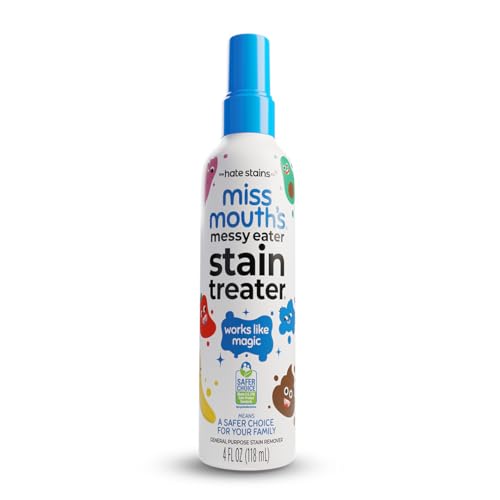
Before You Start
Before treating delicate fabrics, test any product on a hidden area to ensure colorfastness. Work in a well-ventilated area and wear gloves if handling solvents. Remove excess paint gently with a dull knife or spoon, taking care not to spread the stain. Time plays a big role; the sooner treatment begins, the better the chances of full removal.
Keep in mind that some paints, like certain acrylics or oil-based varieties, may require specific solvents and longer treatment times. Always read product labels for safety instructions and fabric compatibility.
Caution: Do not put stained fabrics in high-heat drying, as heat can set the stain. If unsure about a fabric type, consult the garment’s care label or a professional cleaner.
Step-By-Step: How To Remove Dried Paint From Clothes
- Identify the paint type by checking the container or shop information; this guides solvent choice and treatment duration.
- Gently lift or scrape away dried paint with a dull edge, avoiding deeper embedding into fibers.
- Apply a fabric-safe stain remover pen or gel directly to the stain, ensuring full coverage.
- Use a soft brush or cloth to work the product into the fibers with light, circular motions.
- Let the remover sit for the time suggested on the label, typically a few minutes to several hours for tougher stains.
- Rinse the fabric under cool water, then blot with a clean cloth to remove loosened paint particles.
- Apply additional remover if the stain persists and repeat the rinse until the stain loosens.
- Wash the garment according to its care label using the appropriate cycle and detergent.
- Check the stain before drying; if any trace remains, repeat the treatment or seek an alternative remover.
- Dry the garment away from direct heat to prevent setting any remaining pigment.
- For stubborn stains, consider a second treatment with a solvent-safe option, following safety guidelines.
- Assess after washing; if necessary, repeat steps or consult a professional cleaner for delicate fabrics.
Troubleshooting
| Symptom | Likely Cause | Fix | Prevention |
|---|---|---|---|
| Stain remains after first wash | Paint type not fully dissolved | Apply a second round of remover and wash again | Treat promptly; use the correct solvent for the paint |
| Fabric color fading | Harsh solvent or over-application | Rinse thoroughly; switch to milder remover | Test on hidden area before full use |
| Stain spreads during treatment | Rubbing too aggressively | Gently blot and reapply remover inwards | Work from edges toward center |
| Residual smell of solvent | Insufficient rinsing | Rinse thoroughly with cool water | Ventilate area during treatment |
Common Mistakes
- Using hot water on a stain that hasn’t been fully softened, which can set the pigment
- Rubbing paint aggressively, which can fray fibers or spread the stain
- Applying too much solvent, risking fabric damage or color loss
- Skipping a patch test on sensitive fabrics or busy prints
Tips For Best Results
- Always start with the least aggressive method and escalate only if needed
- Work with cool or lukewarm water to avoid setting the stain
- Use a brush designed for fabric cleaning to lift paint particles
- For multi-fiber garments, treat a small seam area first to gauge reaction
- Air-dry after each treatment stage to confirm stain removal before machine washing
Call A Professional
Consider professional cleaning if the stain covers a large area, is on delicate fabrics (silk, wool), or if previous attempts failed. Seek help when a dye or pigment has bled into the fibers, or when solvent exposure raises concerns about fabric integrity. If you notice color transfer or fabric distortion, stop cleaning and consult a pro.
FAQ
Can dried paint be removed from all fabrics?
Most dried paints can be treated, but some coatings may resist removal on delicate fabrics or natural fibers.
Which product is best for acrylic paint on cotton?
Fabric-safe gel or a paint-specific remover pen designed for fabrics often works well for acrylics on cotton.
Should I use heat to dry treated clothes?
Avoid heat until the stain is fully removed, as heat can set residual pigment.
Is it safe to mix stain removers?
Do not mix different stain removers; follow label directions to prevent chemical reactions or fabric damage.
Buying Guide
Choosing the right stain-removal products for dried paint involves considering stain type, fabric compatibility, and user preferences. Look for multi-surface efficacy, fabric safety, and clear usage directions. A pen, gel, and spray combo covers most situations, from quick spot work to deeper treatment. When selecting, consider the size of typical stains in your household and whether you need a brush for mechanical agitation or a solvent for stubborn residues. The goal is effective removal without harming fabrics or colors.
Key Buying Factors
- Size and portability: Compact pen or spray formats excel for on-the-go spot treatment, while larger gels cover bigger stains.
- Stain removal efficacy: Look for products labeled for dried paint on fabric and compatible with acrylic, oil-based, or latex paints as needed.
- Fabric safety and compatibility: Check care labels and test on hidden areas before full application.
- Ease of use: Brushes, foams, or sprays should be simple to apply without harsh scrubbing.
- Odor and ventilation: Opt for low-odor formulations for indoor use and ensure good airflow.
- Post-treatment washing: Confirm that the product supports standard machine washing after treatment.
- Storage and shelf life: Keep products sealed and away from children, with clear expiration guidance.