Maintaining a clean fireplace improves efficiency, safety, and the overall look of a living space. Soot buildup can reduce airflow, increase the risk of chimney fires, and leave a grimy residue on walls and hearth. This guide breaks down a practical, step-by-step approach to remove soot, with product suggestions tailored for American homes.
The process emphasizes safety, proper tools, and simple maintenance routines that homeowners can perform themselves. Following best practices helps protect the chimney system and extends the life of the fireplace while minimizing mess.
Quick Answer
Use a chimney brush kit with extension rods to dislodge soot, follow with a stiff-bristle fireplace chimney sweep brush for thorough cleaning, vacuum up debris with an ash vacuum cleaner that features a HEPA filter, and apply a creosote remover spray for rapid, non-caustic treatment. Finish by sweeping up residues with a stainless steel ash scoop and broom set for a neat, complete cleanup.
What You’ll Need
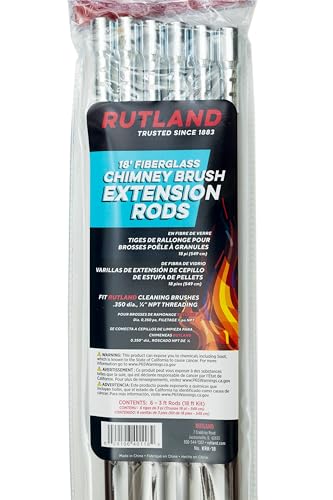
- Chimney brush kit with extension rods for creosote cleaning
- Stiff-bristle fireplace chimney sweep brush 9 inch
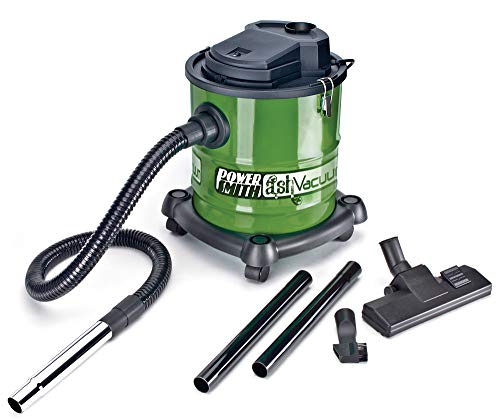
- Ash vacuum cleaner for fireplace with HEPA filter
- Creosote remover spray for chimneys non caustic
- Fireplace ash scoop and broom set stainless steel

Before You Start
Before beginning, ensure the fire is completely out and the area is cool. Wear a dust mask, eye protection, and gloves. Check local regulations on chimney cleaning and disposal of ash. Place drop cloths or old newspapers around the hearth to catch debris. Time estimates vary; plan for 1–3 hours depending on soot extent. Critical cautions: never clean a hot chimney, avoid using harsh chemical cleaners near flames, and never use the vacuum while the area contains hot embers.
Step-By-Step: How To Clean Soot From Fireplace
- Prepare the space: lay down protective coverings and remove any objects from the hearth.
- Attach the extension rods to the chimney brush kit and select the appropriate brush size for your flue.
- Insert the brush into the chimney from the fireplace opening and scrub with steady, vertical strokes to loosen soot and creosote.
- Work the brush down into the flue, then pull it back up, repeating multiple passes to maximize soot disruption.
- Switch to the stiff-bristle 9 inch brush for a more aggressive sweep on stubborn patches near the top and sides.
- Attach the ash vacuum with HEPA filtration and carefully remove loose debris from the hearth and surrounding surfaces.
- Apply a creosote remover spray for chimneys non caustic according to label directions to loosen remaining deposits.
- Allow the spray to dwell as recommended, then re-employ the brush to dislodge softened deposits.
- Vacuum again to collect loosened particles, ensuring the vacuum is on a low setting to avoid clogging or damage.
- Inspect the firebox and flue for remaining buildup; perform a final pass if needed for a thorough finish.
- Dispose of ashes safely in a metal container; store tools clean and dry for future use.
- Record maintenance notes, including date and any observed chimney issues for the next inspection.
Troubleshooting
| Symptom | Likely Cause | Fix | Prevention |
|---|---|---|---|
| Visible creosote near the top | Inadequate brushing | Re-sweep with the chimney brush from top to bottom | Schedule regular cleanings |
| Bad odor after cleaning | Residual moisture or damp ashes | Ensure ashes are fully cool and dry before disposal | Keep area dry during storage |
| Dusty surroundings after sweep | Loose soot fallout | Vacuum countertops and floors, wipe surfaces | Use tighter containment during cleaning |
| Vacuum clog or poor suction | Heavy ash or moisture | Empty canister, switch to dry ash handling, dry ashes only | Filter maintenance and proper disposal |
Common Mistakes
- Using water or liquid cleaners inside a dry chimney can create dangerous fumes and prevent proper soot removal.
- Forgetting to remove the tool from the flue after cleaning can cause jams or damage.
- Neglecting to wear PPE or working in a poorly ventilated area increases risk of irritation and exposure to dust.
Tips For Best Results
- Perform cleaning on a cool day to reduce heat exposure and odor risk.
- Work in sections; cleaning in smaller segments improves effectiveness and safety.
- Inspect the chimney cap and exterior for damage or blockages before and after cleaning.
- Store brushes and tools upright in a dry area to prevent rust and corrosion.
- After cleaning, consider scheduling a professional inspection to verify structural integrity and flue condition.
Call A Professional
Stop and call a professional if any of the following occur: persistent strong odors, visible damage to the chimney lining, excessive creosote beyond a standard cleaning, or repeated blockages that limit airflow. If you’re unsure about safety, if you encounter unusual sounds during cleaning, or if the fireplace has not been used for a long period, seek expert assessment.
FAQ
How often should I clean soot from a fireplace?
Most homes benefit from an annual sweep, with additional cleanings after heavy use or signs of creosote buildup.
Can I clean soot from a wood-burning fireplace myself?
Yes, with proper tools, protective gear, and adherence to safety guidelines.
Is creosote remover spray safe for my chimney?
Choose a non-caustic formula and follow label directions carefully for safe use.
What should I do with used ashes?
Allow ashes to cool completely, then store in a metal container outside, away from combustibles.
What maintenance helps prevent future soot buildup?
Regular brushing, chimney cap inspection, and orderly disposal of ashes reduce buildup and improve airflow.
Buying Guide
Choosing the right cleaning tools for a soot-cleaning project requires measuring performance against practicality. Consider the following factors to optimize results and cost-efficiency.
- Size and compatibility: Ensure the chimney brush kit fits your flue diameter and length. Extension rods help reach varied depths without excessive effort.
- Brush type and stiffness: A stiff-bristle brush provides aggressive cleaning for heavy buildup, while a softer brush can handle delicate surfaces without damage.
- Dust containment: An ash vacuum with a HEPA filter minimizes dust and improves indoor air quality during cleanup.
- Chemical treatment: Non-caustic creosote removers offer safe, effective loosening of deposits without harming the chimney lining.
- Durability and materials: Stainless steel tools resist corrosion and last longer in damp, sooty conditions.
- Noise and ease of use: Look for user-friendly handles and relatively quiet operation, especially in single-family homes or apartments.
- Placement and storage: Plan for dry, ventilated storage space to keep tools in good condition between uses.
When evaluating options, compare a comprehensive kit with extension rods against individual tools. A kit can simplify setup and ensure consistent compatibility across components. For many households, pairing a 9-inch stiff-bristle brush with a robust chimney brush kit and a HEPA-filter ash vacuum delivers reliable, ready-to-use performance. If you’d like additional guidance, consult a fireplace professional to tailor tools to your specific chimney design and usage patterns.