Pet odors on fabric couches are common, especially with daily lounging, spills, and accidents. This guide walks through a practical, step-by-step method using common cleaning tools and products to refresh upholstery without harsh methods. Readers will learn how to neutralize odors at the source, protect fabric, and prevent future smells.
Quick Answer
For quick relief, blot spills immediately, spray a fabric-safe odor neutralizer, and use a handheld upholstery steamer or cleaning machine to lift odors from the fibers. A enzyme-based upholstery cleaner is effective for pet urine on fabric couches, followed by a brush kit to refresh the surface. For persistent smells, repeat the treatment and let the couch dry fully between applications.
What You’ll Need
- Handheld upholstery steamer for pet urine couch
- Enzyme upholstery cleaner for pet urine on fabric couch
- Pet odor neutralizing spray for fabric couch upholstery
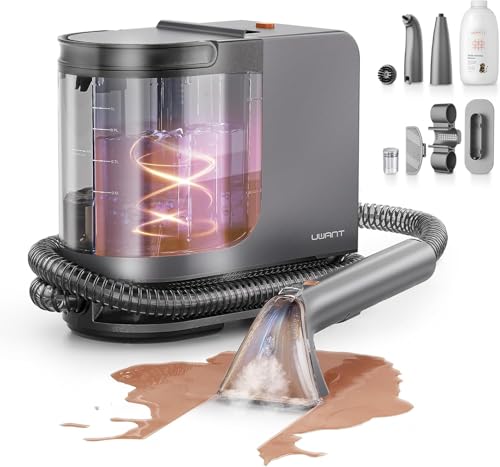
- Handheld upholstery cleaning machine for pet urine couch
- Upholstery cleaning brush kit for pet odor removal on couch


Before You Start
Before beginning, remove cushions and vacuum the couch to lift loose hair and debris. Test any cleaner on an inconspicuous area to confirm colorfastness. Wear gloves to protect hands and work in a well-ventilated area. Allow ample drying time—ventilate with fans or open windows. Avoid over-wetting fabric, which can lead to mold or mildew beneath cushions.
Step-By-Step: How To Remove Pet Odor From A Couch
- Remove all cushions and vacuum the entire surface to capture hair and dander before cleaning.
- Blot any fresh urine or liquids with a clean cloth to absorb as much as possible without rubbing in.
- Apply an enzyme upholstery cleaner for pet urine on fabric couch; follow label directions for ratio and dwell time.
- Use a handheld upholstery cleaning machine for pet urine couch to lift moisture and contaminants from fibers; avoid saturating the fabric.
- Gently scrub with an upholstery cleaning brush kit for pet odor removal on couch to loosen deeper soils.
- Rinse or wipe away residue with a damp cloth; repeat as needed until odor diminishes.
- Spray a pet odor neutralizing spray for fabric couch upholstery on the surface and allow it to air dry.
- Reassemble cushions, restore arrangement, and finish by placing the couch in a ventilated area to dry completely.
- Repeat treatment on heavily affected areas or persistent odors, if necessary, using the same sequence.
- Regular maintenance: vacuum weekly, treat spills promptly, and consider a fabric protector after cleaning.
- Seasonal refresh: a light steam clean can help lift embedded odors when upholstery is in steady use.
- Monitor for recurring smells; persistent odors may indicate deeper issues requiring deeper cleaning or professional help.
Troubleshooting
| Symptom | Likely Cause | Fix | Prevention |
|---|---|---|---|
| Smell returns after cleaning | Residual urine or soil remains | Repeat enzyme cleaner treatment and steam clean | Clean promptly after spills |
| Fabric oversoaked after cleaning | Too much liquid used | Blot, press with towels, and use a fan to dry | Use sparing amounts and follow product guidelines |
| Discoloration on fabric | Cleaner interaction with dye | Test area first; use milder solution or alternative product | Patch test every product |
| Stale odor after drying | Insufficient drying time | Increase air flow and extend drying period | Allow full drying before use |
Common Mistakes
- Using too much liquid, causing trainer dampness and mildew risk
- Not testing cleaners on a hidden area before full application
- Rubbing vigorously, which can spread soils and damage fibers
- Neglecting to dry thoroughly before reusing the couch
- Relying solely on fragrance sprays without removing the source odor
Tips For Best Results
- Work from top to bottom to avoid dirtying cleaned sections
- Use enzyme cleaners specifically formulated for pet urine on fabric couches
- Ventilate the room and use a fan to speed up drying
- Maintain a regular cleaning schedule to prevent odors from building up
- Keep an easily accessible kit with the necessary tools for quick odor management
Call A Professional
Consider calling a professional if odors persist after multiple cleanings, the fabric shows persistent staining, or there are recurring urine incidents that require deep extraction. Stop signs include strong, lasting odors that resist standard cleaning, water damage signs, or suspicious stains that reappear after treatment. A professional upholstery technician can assess fiber integrity and apply advanced cleaning methods safely.
FAQ
What is the best way to remove pet odor from fabric couches?
Use a combination of enzyme cleaners for pet urine, a handheld upholstery cleaning machine, and a pet odor neutralizing spray to break down and neutralize odors at the source.
Can I use household cleaners to remove pet odors on couches?
Stick to products designed for upholstery and pet urine; avoid mixing cleaners that can produce fumes or harm fabrics.
How long does it take for a couch to dry after cleaning?
Drying times vary with fabric and ventilation but typically take several hours; ensure thorough drying before use.
Is steam cleaning safe for all couch fabrics?
Most synthetic and cotton blends respond well, but always test a hidden area first and follow manufacturer guidance for your fabric type.
Should I use deodorizing sprays alone?
No. Deodorizing sprays mask odors temporarily; removing the source with enzymatic cleaners and proper extraction yields lasting results.
Buying Guide
When choosing tools and products to combat pet odors on couches, consider several key factors. Size and mobility matter for reaching large sections or tight seams; a handheld model suits quick touch-ups, while a deeper cleaning machine handles stubborn soils. Noise level can affect usage plans, especially in living spaces. Energy efficiency matters for extended drying times and frequent use. Look for adjustable heat, spray settings, and compatibility with fabric types. Placement—keep the device away from cushions or loose fabrics that can snag or spill. Finally, compare odor-neutralizing capabilities, enzyme action, and the ability to remove pet urine from fabric couches with the included products.
For a practical setup, many households benefit from a balanced kit including a handheld upholstery steamer for pet urine couch, an enzyme upholstery cleaner for pet urine on fabric couch, a pet odor neutralizing spray for fabric couch upholstery, a handheld upholstery cleaning machine for pet urine couch, and an upholstery cleaning brush kit for pet odor removal on couch. This assortment provides targeted odor removal, gentle fabric care, and convenient maintenance options to keep couches smelling fresh.