Iron skillets require a thoughtful cleaning routine to maintain their seasoning and longevity. This guide provides a practical, step-by-step approach suitable for American kitchens, using common tools and products designed for cast iron care. The goal is to keep your skillet ready for the next recipe without damaging its natural patina.
Quick Answer
Rinse with warm water, remove stuck-on bits with a gentle scrub, dry immediately, and apply a light coat of oil to preserve the seasoning. For tougher residue, use a soft-bristle brush or a stainless steel chainmail scrubber with care, then re-season if needed.
What You’ll Need
The following tools and materials help complete everyday cast iron cleaning with confidence. Use the items as needed based on how dirty the skillet is.
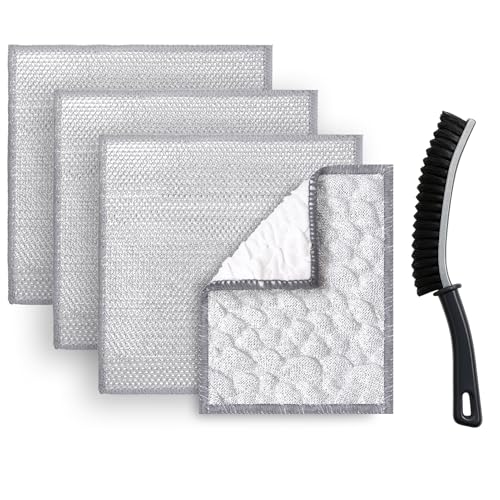
- Stainless steel chainmail scrubber for cast iron skillet
- Cast iron skillet cleaning brush with wooden handle
- Nylon scrub pad set for cast iron skillet cleaning
- Cast iron seasoning kit with oil spray bottle
- Microfiber cloth for cast iron skillet maintenance


Before You Start
Ensure the skillet is cool enough to handle before cleaning. Rinse under warm water to loosen grime, then blot dry with a clean cloth. Do not soak bare cast iron for long periods, as this can strip seasoning. Avoid harsh detergents, which can remove oil and patina. Plan for about 5–15 minutes of cleaning time, plus a quick re-season if the surface shows dull spots or rust.
Safety notes: use heat-resistant gloves if the pan is still warm, and work in a well-ventilated area when applying oil sprays. If the skillet shows deep rust, address it separately with a rust-removal method before reseasoning.
Step-By-Step: How To Clean An Iron Skillet
- Let the skillet cool slightly after cooking, then rinse under warm water to soften leftovers.
- Use a cast iron skillet cleaning brush with a wooden handle or a nylon scrub pad to remove stuck-on bits without scraping aggressively.
- For stubborn residue, employ a stainless steel chainmail scrubber in a gentle motion, focusing on small circular strokes to avoid removing seasoning.
- Rinse again to remove any loosened particles, then dry thoroughly with a clean microfiber cloth or paper towels.
- Place the skillet on a warm burner for a few minutes to evaporate moisture completely.
- Apply a light coat of oil using the oil spray bottle from the seasoning kit or a small amount on a cloth, then wipe evenly across the interior.
- Wipe away excess oil until the surface has a thin, satin finish to prevent sticky buildup.
- Allow the skillet to cool, then store in a dry place. Re-season if the surface looks dull, rusty, or code-deep in spots.
- For routine maintenance, periodically wipe with a microfiber cloth after cleaning to maintain a smooth patina.
- If preparing to store, do one last quick wipe of any moisture and seal with a light oil layer to protect the surface.
- After heavier cooking, repeat the cleaning steps as needed to keep the seasoning at its best, especially after acidic foods.
- When in doubt about persistent rust or pitting, consult a professional or consider a thorough reseasoning approach.
Troubleshooting
| Symptom | Likely Cause | Fix | Prevention |
|---|---|---|---|
| Food sticks excessively after cleaning | Seasoning is worn | Re-season the skillet with oil and bake | Season lightly after every cleaning |
| A dull or patchy surface | Poor oil distribution or moisture left | Dry thoroughly; apply thin oil layer | Dry completely after washing |
| Rust appears | Exposure to moisture, interrupted seasoning | Remove rust with gentle scrubber, reseason | Store in a dry area |
| Oil film feels sticky | Too much oil | Wipe excess oil and heat briefly | Use sparing oil and proper seasoning |
Common Mistakes
- Over-washing with soap that strips seasoning
- Soaking pan in water for extended periods
- Using abrasive scrubbers that remove patina
- Neglecting full drying after cleaning
Avoid these pitfalls to maintain a well-seasoned skillet and clean, flavorful results every time.
Tips For Best Results
- Practice consistent seasoning after cleaning to build a durable patina over time.
- Use a dedicated chainmail scrubber for tougher residues, but test on a small area first.
- Dry the skillet completely before applying oil to prevent rust formation.
- Keep a microfiber cloth handy for quick touch-ups and residual moisture removal.
- Store with a light oil coat or a paper towel between seasons to maintain surface quality.
Call A Professional
Consider professional help if the skillet has extensive rust, deep pitting, or staining that doesn’t respond to routine reseasoning. Stop self-repairs if the surface becomes rough or if there are sharp edges from aggressive scrubbing.
FAQ
Can I wash my iron skillet with soap?
Soap can remove some seasoning; use it sparingly or avoid it for daily cleaning.
How often should I reseason my cast iron?
Reseason when the surface looks dull, sticky, or rusty, or after heavy cleaning.
Is a metal scrubber safe on cast iron?
Only use a chainmail scrubber or hard scrubber if necessary and with care to avoid removing seasoning.
What’s the best oil for seasoning?
A high-smoke-point oil such as canola, flaxseed, or grapeseed is commonly recommended for even seasoning.
Buying Guide
Choosing the right tools and accessories enhances the cleaning routine and prolongs skillet life. Consider size, durability, and compatibility with your cleaning style. Do you prefer a light touch with a wooden-handled brush or a robust chainmail scrubber for tougher residues?
Key buying factors include:
- Size: Match the skillet diameter to your typical cooking tasks and storage space.
- Noise level: Some brushes and pads produce minimal noise, improving comfort during routine cleanups.
- Energy efficiency: Not directly applicable, but choosing reusable cleaning tools reduces waste and long-term costs.
- Controls: Simple on/off or adjustable cleaning intensity can help with different residues.
- Placement: Store tools within easy reach near the sink or cooking area to streamline cleanup.
What matters most is a balanced combination of gentle cleaning power and durable seasoning maintenance. A well-rounded kit often includes a durable brush, a versatile scrubber, a practical microfiber cloth, and a quality oil-based seasoning spray for quick touch-ups after each use.