Cellular blinds, also known as honeycomb shades, offer energy efficiency and light control. Regular cleaning helps maintain their appearance and performance. This guide provides practical steps and safe tools to clean cellular shades effectively in a typical American home.
Quick Answer
For a fast clean, use a vacuum with a brush attachment on low suction to remove dust, then wipe with a microfiber cloth. For stubborn grime, a steam cleaner or a dedicated blind cleaning kit can help—follow manufacturer guidelines to avoid damage.
What You’ll Need
- cellular blind cleaning brush
- vacuum attachment for blinds
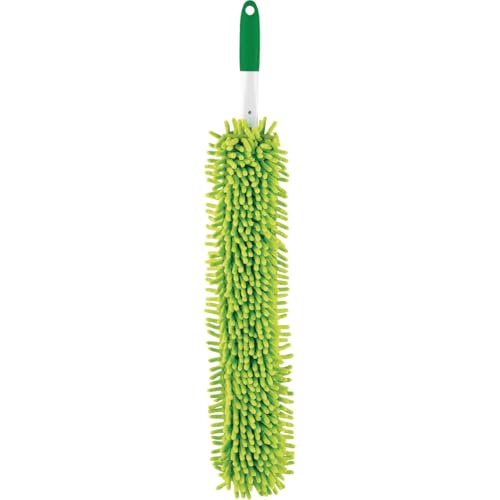
- microfiber dusting wand for cellular shades
- steam cleaner for blinds
- blind cleaning kit for cellular shades


Before You Start
Work in a well-lit area with the blinds fully lowered. Close the blinds to see both sides, and protect floors with a drop cloth if you plan a deeper clean. Avoid soaking or saturating the fabric, which can cause warping or moisture damage. Allow blinds to dry completely before reassembly or re-hanging. Plan time: 30–60 minutes for a full cleaning of multiple windows.
Step-By-Step: How To Clean Cellular Blinds
- Remove loose dust with a vacuum attachment for blinds on a low setting, moving from the top to the bottom.
- Gently brush fabric surfaces with a cellular blind cleaning brush to lift embedded dirt from folds.
- For stubborn smudges, use a damp microfiber cloth and wipe along the slats in a consistent direction.
- Flip the blinds to reach the reverse side and repeat vacuuming and brushing as needed.
- If deeper cleaning is required, use a steam cleaner for blinds at a low, controlled heat setting with brief passes to avoid moisture pooling.
- Allow blinds to air-dry completely in a well-ventilated area before re-hanging.
- For vertical stacks, clean each panel individually and avoid bending the fabric excessively.
- Inspect cords, pulleys, and brackets for wear and ensure everything operates smoothly after cleaning.
- Replace or refresh cleaning tools as needed to maintain effectiveness on future cleanings.
- Establish a routine: a light weekly dusting plus a deeper clean every 3–6 months depending on environment.
- Document any stubborn areas that may require repeat cleaning or professional help.
Troubleshooting
| Symptom | Likely Cause | Fix | Prevention |
|---|---|---|---|
| Streaks after cleaning | Excess moisture or residue | Wipe with a dry microfiber cloth and air dry | Use minimal water and test on hidden area |
| Sagging or warped fabric | Over-wetting or heat exposure | Let dry completely; avoid heat sources | Keep moisture to a minimum |
| Fading color in spots | Sun exposure plus heavy cleaning | Clean gently; rotate blinds when possible | Schedule cleaning to avoid peak sun hours |
| Noisy operation after cleaning | Stiff hardware | Lubricate with manufacturer-approved product | Regular light cleaning to prevent buildup |
Common Mistakes
- Using harsh chemicals or soaking the fabric
- Cleaning too aggressively, which can damage folds
- Not allowing complete drying, leading to mold or warping
- Ignoring safety warnings on steam cleaners or heat devices
Tips For Best Results
- Establish a gentle routine: dust weekly with a microfiber wand to reduce grime buildup.
- Test cleaning products on a small, inconspicuous area first.
- Angle blinds slightly during cleaning to access hidden edges without saturating fabric.
- Keep cleaning tools dedicated to blinds to prevent cross-contamination with other fabrics.
- Store spare parts and replacement components in a labeled container for quick maintenance.
Call A Professional
Consider a pro if you notice any of these signs: persistent mold, water damage, torn fabric, frayed cords, or if cleaning requires removing the blinds from their mounts. Large-scale cleaning projects or integrated blinds in high ceilings may benefit from professional services.
FAQ
Can I use a steam cleaner on cellular blinds?
Yes, with caution: use a low heat setting and brief passes to avoid moisture damage. Always test on a small area first.
What cleaning tools work best for cellular shades?
A combination of a vacuum with a brush attachment and a microfiber dusting wand is effective for routine maintenance.
How often should I clean cellular blinds?
Dust weekly and perform a deeper clean every 3–6 months, depending on environment and usage.
Is it safe to wash cellular blinds in a washing machine?
No. Washing machines can distort the fabric and mechanism. Stick to hand cleaning or tool-assisted methods described here.
Buying Guide
When choosing cleaning tools for cellular blinds, consider size, compatibility, and safety. A cellular blind cleaning brush paired with a vacuum attachment for blinds is ideal for regular upkeep, while a steam cleaner for blinds can handle tougher grime with careful use. A complete blind cleaning kit for cellular shades consolidates essential tools into one package for convenience. For many homes, starting with a simple vacuum brush and microfiber wand covers most routine needs. If you have heavy buildup or delicate fabrics, add a steam option and consider professional cleaning for periodic deep maintenance. Ensure all tools are labeled for blind use and compatible with the fabric type of your cellular shades.