Salamanders indoors are typically drawn in by moisture, insects, or favorable shelter. The goal is to remove the animal humanely and prevent future visits. This guide outlines practical steps for homeowners in the United States to safely capture, relocate, and deter salamanders from re-entering living spaces.
The following approach emphasizes minimal stress for the creature and safe handling for residents. It covers common entry points, tools that help, and practical maintenance to reduce damp, insect-friendly environments that invite amphibians indoors.
Quick Answer
Capture humanely with a dedicated trap or gently guide the salamander into a container using a long-handled tool, then release it outside away from the home. Seal entry points, reduce moisture, and keep indoor spaces dry to deter recurrences. If the animal is cornered or injured, consider seeking professional help.
What You’ll Need
- Humane salamander trap
- Reptile catching tongs
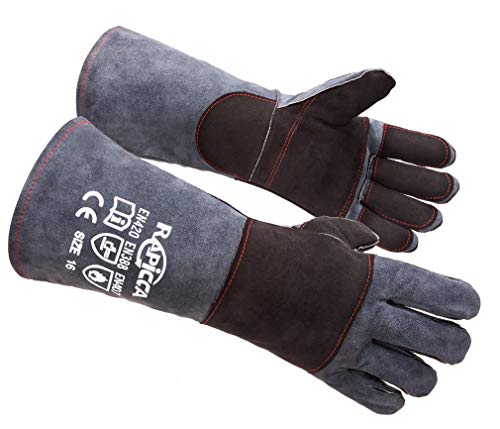
- Amphibian handling gloves
- Pest-proof weather stripping kit
- Basement dehumidifier


Before You Start
Before attempting removal, identify the salamander’s likely entry points such as doors, windows, foundations, or utility openings. Wear amphibian handling gloves to protect skin and minimize stress to the animal. Turn off or minimize lights and vibrations to avoid startling the creature. Time the activity during cooler, damp hours when salamanders are more active near moisture but less stressed by human activity. Estimating a 30–60 minute window helps plan the task and ensures the animal isn’t kept in unfamiliar confinement for long.
Important safety note: Never handle a wild salamander with bare hands if you are unsure about potential skin irritation or allergies. Use gloves and a humane container for transport. If multiple salamanders are present or the animal is in a difficult-to-reach area, consider professional assistance.
Step-By-Step: How To Get Rid Of A Salamander In The House
- Close off the room and reduce activity to avoid scaring the salamander into hard-to-reach places.
- Place amphibian handling gloves on and equip a humane salamander trap or a clear container with a lid nearby.
- Gently encourage the salamander toward the container using a reptile catching tongs or a piece of cardboard, keeping the animal supported and calm.
- Once inside the container, secure the lid and calmly move the container to a shaded outdoor area away from direct sun.
- Release the salamander in a suitable habitat, such as a moist, leaf-covered spot near a garden or a wooded area, ensuring the release point is not near traffic or pets.
- Inspect likely entry points, focusing on door sweeps, window gaps, and utility penetrations. Apply pest-proof weather stripping kit to seal openings.
- Run the basement dehumidifier to reduce moisture levels, especially in crawl spaces and basements where damp conditions attract amphibians.
- Clean and dry the space after removal to remove any residual odors that might attract other wildlife.
- Implement a routine soil moisture check around the home perimeter and address excess moisture sources like leaks or overwatering in nearby landscaping.
- Schedule regular maintenance on seals, vents, and foundations to maintain a dry, inhospitable indoor environment for amphibians.
- Build a simple monitoring plan, noting dates and locations of any future sightings to act quickly if needed.
- Educate household members about not leaving pet food or excess moisture exposed, reducing attractants for amphibians inside the home.
Troubleshooting
| Symptom | Likely Cause | Fix | Prevention |
|---|---|---|---|
| Salamander re-enters after release | Unsealed entry points or nearby moisture | Seal gaps; install weather stripping; fix leaks | Ongoing moisture management |
| Salamander escapes during capture | Container not secure | Use a container with a snug lid; handle gently | Prepare properly before attempting capture |
| Frequent dampness in basement | High humidity or poor ventilation | Run dehumidifier; improve airflow | Moisture-control routine |
| Nocturnal sightings near doors | Outdoor lighting attracting insects | Replace with amber/low-glow lighting | Minimize outdoor light pollution |
Common Mistakes
- Using traps that injure the animal or cause prolonged stress
- Hiding the salamander under furniture or inside walls instead of humane relocation
- Failing to seal entry points after removal
- Neglecting moisture control in basements and crawl spaces
Tips For Best Results
- Operate during cool, damp periods when salamanders are more likely to be near exits but less panicked by human activity.
- Keep pets away from the capture area to reduce stress and safety risks for both animals and people.
- Regularly inspect under doors, utility openings, and foundation seams for small gaps that can admit amphibians.
- Consider a short-term dehumidifying plan around the home exterior to deter subsequent visits.
Call A Professional
Seek professional help if multiple salamanders appear, if the animal is trapped behind walls or in hard-to-reach spaces, or if there is any risk of injury to people or pets. A licensed wildlife control specialist can safely remove, relocate, and advise on long-term prevention strategies.
FAQ
Q: Are salamanders harmed by typical indoor traps?
A: Humane traps are designed to minimize stress and injury while capturing the animal for relocation.
Q: Can I use chemical repellents to keep salamanders away?
A: Chemical repellents are not recommended for amphibians and can be harmful to the environment and pets.
Q: How far should I relocate a salamander?
A: Relocate it to a damp, natural area away from roads and human activity, typically at least several hundred feet from the home.
Q: Will sealing my home stop all amphibians?
A: Sealing entry points and reducing moisture greatly reduces the chance of indoor appearances but does not guarantee complete prevention.
Q: How often should I run a basement dehumidifier?
A: In damp seasons or climates, run it as needed to keep humidity below 50–60% indoors.
Q: Should I handle a salamander without gloves?
A: It is safer to wear amphibian handling gloves to protect skin and minimize stress for the animal.
Buying Guide
When choosing tools and gear to manage salamander visits, consider size, ease of use, and safety for both people and wildlife. A humane salamander trap should be large enough to capture without injury, and a reptile catching tongs should provide a gentle grip without squeezing. Durability matters for reusable use, especially in damp environments. A pest-proof weather stripping kit helps seal doors and windows effectively. A compact basement dehumidifier can make the surrounding area less hospitable to amphibians, though it should be chosen based on room size and energy efficiency. Look for lightweight, portable options with adjustable humidity settings and reliable drainage. Consider combining these tools with a simple moisture-management plan for sustained results.
Key factors to compare:
- Size and capacity of humane traps
- Grip quality and safety of catching tools
- Comfort and protection provided by amphibian handling gloves
- Effectiveness and coverage of weather stripping kits
- Dehumidifier capacity relative to the space
Are you unsure which combination fits your home? Start with one humane trap and a moisture-control plan, then add sealing and dehumidification as needed. The goal is a practical system that minimizes risk to both occupants and wildlife while reducing repeat visits. If questions arise about local wildlife guidelines, consult local forestry or animal control resources for region-specific advice.