Resin sinks offer a smooth, modern look but require careful cleaning to maintain their finish. This guide covers practical, safe methods using common supplies to remove everyday grime, stains, and mineral deposits without scratching or dulling the surface.
Quick Answer
Use a gentle, non-abrasive cleaner paired with a soft microfiber cloth or a non-scratch scrub pad. For tougher stains, a baking soda paste can help, followed by a thorough rinse with a pH-neutral cleaner for epoxy resin sink. Dry with a microfiber cloth to prevent water spots.
What You’ll Need
Keep these tools handy for routine cleaning and maintenance. The list prioritizes items that are safe for resin surfaces:
- Non-abrasive cleaner for resin bathroom sink
- PH-neutral cleaner for epoxy resin sink
- Soft microfiber cloth for resin sink cleaning
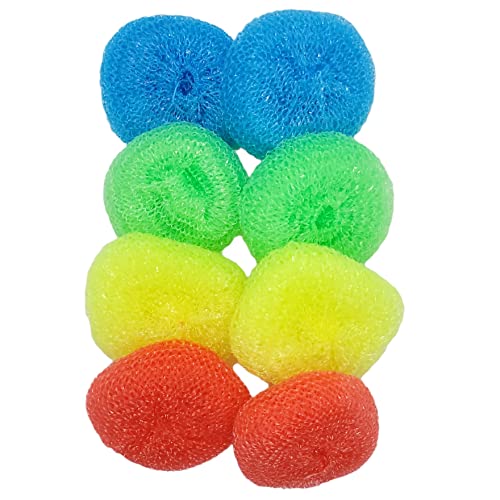
- Non-scratch scrub pad for resin sink
- Baking soda paste for resin sink cleaning


Before You Start
Before cleaning, clear the sink and remove any jewelry or loose items. Rinse away loose debris with warm water. Ensure good ventilation in the room. Avoid harsh abrasive cleaners, scouring powders, or steel wool that can scratch or dull resin finishes. Test any new cleaner on a small, inconspicuous area first. Expect cleaning sessions to take 5–15 minutes depending on buildup.
Step-By-Step: How To Clean A Resin Sink
- Wet the sink with warm water to loosen surface grime.
- Apply a non-abrasive cleaner for resin bathroom sink or a pH-neutral cleaner for epoxy resin sink to a soft microfiber cloth.
- Gently wipe the entire surface in circular motions, paying attention to corners and the drain area.
- For stubborn stains, sprinkle baking soda paste for resin sink cleaning on the spot and scrub lightly with a non-scratch scrub pad for resin sink.
- Rinse thoroughly with clean water, ensuring all cleaner residue is removed.
- Dry the sink completely with a microfiber cloth to prevent water spots and mineral buildup.
- Inspect for remaining marks; repeat as needed using the gentlest method that works.
- For routine maintenance, perform this cleaning once a week or as soon as grime appears.
- Optionally, wipe down with a conditioner or sealant compatible with resin finishes if recommended by the cleaner’s instructions.
- Prevent future buildup by rinsing after each use and wiping dry, especially after acidic activities like lemon or vinegar exposure.
- Store cleaning materials in a dedicated cabinet away from harsh chemicals to keep surfaces safe.
Troubleshooting
| Symptom | Likely Cause | Fix | Prevention |
|---|---|---|---|
| Stubborn mineral spots | Hard water deposits | Use baking soda paste and soft pad, rinse well | Wipe dry after use; consider a water-softening solution |
| Scratches appearing | Using abrasive tools or cleaners | Switch to non-abrasive cleaners and soft cloth | Avoid steel wool and rough scrub pads |
| Discoloration near drain | Soap scum buildup | Regular cleaning with pH-neutral cleaner | Rinse and dry after each use |
| Dull surface | Residual cleaner or mineral film | Rinse thoroughly; buff with microfiber | Frequent light cleanings |
Common Mistakes
- Using abrasive scrub pads or harsh cleaners on resin surfaces
- Neglecting to rinse off cleaners completely
- Letting acidic or caustic substances sit on the surface
- Using heavy-duty brushes on curved or shallow areas
Staying with mild, non-abrasive products and immediately rinsing after cleaning helps preserve the resin’s luster over time.
Tips For Best Results
- Choose pH-neutral cleaner for epoxy resin sink to minimize chemical wear.
- Always finish with a dry wipe using soft microfiber cloth for resin sink cleaning to prevent water spots.
- Test any new cleaner on a hidden area first to confirm compatibility.
- In high-use kitchens or baths, consider a weekly wipe-down using a gentle cleaner to keep surface brilliance.
Call A Professional
Call a professional if you notice deep scratches, persistent staining that won’t respond to standard cleaners, or the resin surface shows signs of cracking or discoloration beyond routine care. Seek expert advice for resealing or refinishing options if the finish appears worn or dull despite regular cleaning.
FAQ
Can I use vinegar to clean a resin sink?
Vinegar is acidic and may affect certain resin finishes. Use pH-neutral cleaner for epoxy resin sink or a mild, non-abrasive cleaner as a safer option.
Is baking soda paste safe on all resin sinks?
Yes for most epoxy and solid-surface resins when used gently; test first on a small area and avoid prolonged sitting time.
How often should I clean a resin sink?
Routine cleaning once a week with a gentle cleaner is recommended, plus quick wipe-down after heavy use to prevent buildup.
What should I avoid in resin sink cleaning?
Avoid abrasive tools, harsh chemicals, and scouring powders that can scratch or dull the surface.
Buying Guide
When selecting cleaning products for a resin sink, consider size, finish, and usage patterns. Factors include the sink’s material type (epoxy or other resin composites), the level of exposed water and minerals, and the desired maintenance frequency. Look for products labeled as safe for resin or epoxy surfaces, with neutral pH and gentle formulas. Noise level and energy use are not relevant for cleaning tasks but choose tools that are easy to grip and store. A simple, dedicated cleaning kit with a non-scratch pad and microfiber cloth can streamline routine care. For households with hard water, a mineral-removal boost or routine descaling options may help maintain clarity and shine.