Clean, well-defined sideburns can frame the face and enhance overall grooming. This guide covers practical steps to tidy sideburns using common grooming tools, with tips for different hair lengths and skin types. Readers will learn how to shape, trim, and maintain precise edges for a polished appearance.
Whether aiming for a subtle, natural line or a bold, crisp edge, the right technique and tools matter. The approach below emphasizes safety, precision, and consistency to achieve professional-looking results at home.
Quick Answer
Start with a clean, dry face. Use a precision beard trimmer or slim razor for initial shaping, then refine edges with smaller tools like a narrow blade trimmer or professional grooming scissors. Always trim against the hair growth, then check symmetry in a mirror at eye level. Finish with light passes to remove stray hairs and blend the transition into the cheek line.
What You’ll Need
- Beard trimmer with precision detail head 0.5mm for sideburns
- Narrow blade hair trimmer for sideburns and cheek line detail
- Professional grooming scissors for trimming sideburns and edges
- Cordless beard trimmer with adjustable 1-5mm comb for sideburns
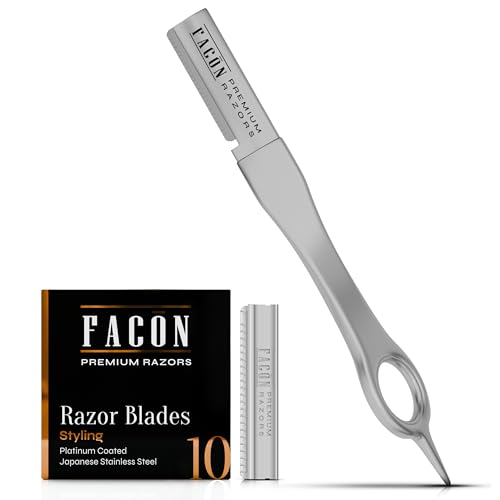
- Slim precision razor for clean sideburn edging and shaping


Before You Start
Prepare a clean workspace and have adequate lighting. Wash the face or use a warm damp towel to soften hairs, which makes trimming easier. Avoid rushing and work slowly to prevent uneven edges. If skin is sensitive, apply a light layer of toner or aftercare balm after trimming. Time estimate: 10–20 minutes depending on hair length and desired sharpness.
Step-By-Step: How To Clean Up Sideburns
- Identify the desired edge: Decide if the sideburns will have a straight, angled, or curved line that aligns with the top of the ear. Mark lightly with a pencil or soap for a visual guide.
- Remove bulk with a 1–5mm guard: Use the cordless beard trimmer with an adjustable comb to trim to the chosen length, working from the bottom edge upward along the sideburn line.
- Refine with precision detail: Switch to the beard trimmer with precision detail head 0.5mm for sideburns to clean the lower edge and create a crisp field line near the cheek.
- Define the cheek line: Use the narrow blade hair trimmer for sideburns and cheek line detail to carve a tight transition from sideburn to cheek.
- Neaten around the ear: Trim along the natural curve of the ear using small, controlled motions to avoid gaps or over-trimming.
- Edge with a slim razor: For an ultra-clean finish, run the slim precision razor for clean sideburn edging and shaping along the edge, keeping skin taut.
- Check symmetry: Use a mirror at eye level and compare both sides. If one side is higher or thicker, adjust in small increments.
- Blend and soften: Lightly go over the edges with the trimmer to ensure a seamless blend with the surrounding hair.
- Final cleanup: Remove any stray hairs with the trimmer or scissors, ensuring a uniform line around the entire sideburn area.
- Apply a brief conditioning touch: Use a soothing balm or aftershave designed for sensitive skin to reduce irritation after trimming.
- Maintenance routine: Trim every 1–2 weeks or as growth dictates to maintain the shape.
Troubleshooting
| Symptom | Likely Cause | Fix | Prevention |
|---|---|---|---|
| Uneven edges | Inconsistent blade pressure | Use light, consistent strokes and check frequently in mirror | Keep tools sharp and clean |
| Skin irritation after trimming | Razor contact or sensitive skin | Dial down blade exposure and apply balm | Do a patch test first |
| Hairs growing into cheek line | Overly long sideburns | Trim with guard to maintain length | Schedule regular maintenance |
| Razor pulls or nicks | Dull blades or dry skin | Moisturize skin and replace dull blades | Shave with the grain and use proper technique |
Common Mistakes
- Starting with dry or tangled hair; always soften with warmth or steam.
- Using too high a guard and creating a rounded edge unintentionally.
- Over-trimming close to the ear that leads to balance issues on both sides.
- Forgetting to check symmetry from multiple angles during the process.
Tips For Best Results
- Work in natural light to better judge color and line continuity.
- Use a single steady stance to minimize hand tremor and improve precision.
- Switch tools for different zones: a detail trimmer near the ear, a longer guard along the cheek.
- Always trim from the bottom edge upward to avoid cutting into the cheek line prematurely.
- Keep blades clean during the session to prevent tugging or uneven cuts.
Call A Professional
Seek professional help if the sideburns involve complex shapes, uneven growth patterns, or if skin has repeated irritation despite proper technique. Stop trimming and consult a barber or esthetician if there are signs of infection, severe redness, or persistent discomfort.
FAQ
What angle should sideburns typically follow?
Most prefer a straight or slightly rounded edge that aligns with the top of the ear, creating a clean vertical line along the cheek.
Can I use a regular razor for sideburns?
A slim precision razor provides the cleanest edging; a safety razor can work but requires careful handling near the skin.
How often should sideburns be trimmed?
Frequency depends on hair growth, but a 1–2 week cycle maintains shape and reduces overgrowth into the cheek line.
Should I wash the tools after trimming?
Yes. Cleaning trimmers and scissors after use prolongs life and reduces skin irritation from residue.
Is it necessary to moisturize after trimming?
Moisturizing helps prevent dryness and improves comfort, especially for sensitive skin types.
What if my sides are uneven after trimming?
Reassess, then trim small amounts from the longer side to even out; repeat gradually to avoid over-correction.
Can sideburns affect facial symmetry?
Yes, disproportionate sideburns can alter perceived symmetry; aim for balanced edges on both sides.
Buying Guide
When selecting tools for sideburn grooming, consider size, motor speed, blade type, and ergonomics. A focused kit typically includes a precision trimmer head for fine lines, a narrow blade option for cheek line detail, and a cordless trimmer with adjustable guards for length control. Look for stainless steel blades that resist rust and maintain sharpness, as well as ergonomic handles that reduce hand fatigue during longer sessions. Noise level matters for comfortable daily use, and cordless models improve maneuverability around the ear and jawline. For best results, choose a kit that offers multiple attachments that cover trimming, edging, and shaping in one ecosystem.
Size and reach influence control: a slender, lightweight trimmer allows tighter control around the ear and sideburn curve. If you prefer a natural, less dramatic look, a 1–3mm guard is often sufficient; for crisper edges, 0.5 mm detail heads deliver precision. Consider edge maintenance tools like a slim razor for final touches and a quality salon-grade scissors for subtle adjustments. Ensure compatibility with your preferred charging method and battery life to avoid interruptions mid-trim.
Placement: sideburns should sit close to the ear and taper toward the cheekbone. For most face shapes, aim for a symmetrical vertical edge that aligns with the natural hairline. If the goal is a dramatic outline, you may extend slightly beyond the cheekbone, but keep both sides in harmony. Testing different lengths with guards helps determine which look complements facial structure.
Maintenance matters: clean blades after each use and lubricate moving parts as recommended by the manufacturer. Regular sharpening or replacement of blades prevents tugging and ensures a clean, even cut. Finally, store tools in a protective case to prevent dulling or accidental nicks.