Bagless vacuums offer strong cleaning performance, but they require regular maintenance to keep suction high and filter life long. This guide provides a clear, step-by-step approach to cleaning a bagless vacuum, including how to care for the dustbin, filters, and attachments. Readers will learn how to prevent clogs, refresh performance, and extend the life of their machine.
Following these methods helps maintain peak efficiency and minimizes the risk of overheating or losing suction. The advice applies to most mainstream bagless models and compatible components listed below.
Quick Answer
Quick steps: unplug the vacuum, empty the dustbin, rinse the dustbin and cyclone (if applicable), wash or replace the filter, inspect the hose and attachments for blockages, and reassemble. Clean the brush roll and check for wear. Perform this routine monthly or whenever suction drops.
What You’ll Need
- Replacement HEPA filter for bagless vacuum cleaner
- Dustbin cleaning brush for bagless vacuum
- Crevice tool attachment for bagless vacuum cleaner
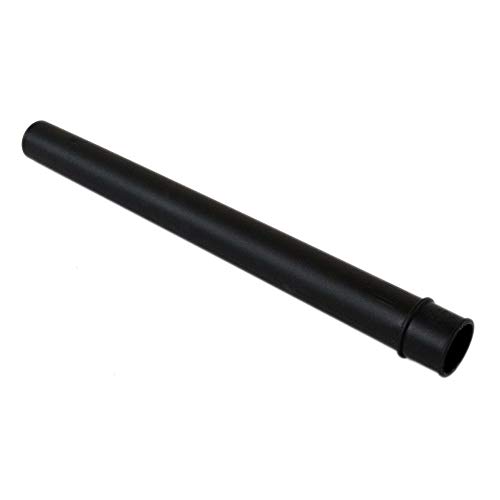
- Vacuum hose wand extension for bagless vacuum
- Cyclone separator filter kit for bagless vacuum


Before You Start
Unplug the vacuum and ensure all moving parts are at rest before disassembly. Allow the unit to cool if it has recently been used for a long cycle. Work in a well-ventilated area to prevent dust from circulating in the room. Caution: never submerge electrical components or the motor housing in water. Have replacement parts on hand in case any seals or gaskets wear out.
Step-By-Step: How To Clean A Bagless Vacuum
- Power down and detach — Unplug the appliance and remove the dustbin from the vacuum housing according to the user manual.
- Empty the dustbin — Empty the contents into a trash can, tapping gently to remove caked debris. A dustbin cleaning brush helps dislodge stubborn material without scratching surfaces.
- Clean the cyclone and interior — If your model uses a cyclone separator, wipe or rinse the inside with a damp cloth and allow it to dry completely. Avoid using harsh chemicals on plastic parts.
- Rinse or replace the filter — Depending on usage, either rinse a washable filter under cool water or replace with a replacement HEPA filter for bagless vacuum cleaner. Let it dry fully before reassembly to prevent mold.
- Check the filter housing seals — Inspect gaskets and seals for cracks. Replace if you notice wear, ensuring no air leaks reduce suction.
- Inspect hoses and attachments — Detach the hose and wand extension, looking for blockages. Use a flexible brush or a long item to clear clogs from the wand and crevices.
- Clean the brush roll — Remove hair and fibers wrapped around the brush roll. A small comb or scissors can help lift matted material away from the bristles.
- Reassemble and test — Reinstall the dustbin, filters, and attachments. Plug in and test on a small area to confirm restored suction.
- Schedule regular maintenance — Establish a routine, adjusting frequency based on floor type and household traffic.
- Store properly — Keep all components dry and organized to simplify future cleanings.
Troubleshooting
| Symptom | Likely Cause | Fix | Prevention |
|---|---|---|---|
| Low suction after cleaning | Clogged dustbin or filter | Empty and clean, replace filter if needed | Regular maintenance; avoid overfilling bin |
| Strange odor | Mold or trapped debris in dustbin | Thoroughly rinse components and dry completely | Dry all parts before reassembly |
| Hissing or whistling from hose | Air leaking from seal or crack | Inspect seals; replace damaged parts | Handle with care; avoid kinks |
| Brush roll not turning | Hair tangled in brush; belt worn | Clear debris; replace belt if necessary | Regular brush maintenance |
Common Mistakes
- Using hot water to rinse filters — can warp plastics and kill filter material
- Letting filters air-dry too long — reduces timely fresh air flow
- Forgetting to dry the dustbin and cyclone parts — leads to mold growth
- Ignoring user manuals — some models have specific cleaning requirements
Tips For Best Results
For consistent performance, align cleaning frequency with household use. Tighten seals during reassembly to prevent suction leaks. When replacing filters, choose a compatible replacement HEPA filter for bagless vacuum cleaner to preserve filtration efficiency. Use the dustbin cleaning brush for bagless vacuum to minimize direct contact with dust. Periodically inspect the cyclone separator and consider a cyclone separator filter kit for bagless vacuum if your model supports it.
Call A Professional
Consult a technician if the vacuum emits unusual noises, overheats during use, or if replacements do not restore performance. Seek professional service immediately if there are signs of motor failure or electrical issues. If you notice persistent air leaks after resealing components, a professional assessment is advised.
FAQ
How often should I clean my bagless vacuum?
Clean the dustbin and filters monthly for typical households, and more often with heavy use or multiple pets.
Can I wash a HEPA filter?
Many HEPA filters are washable; follow the manufacturer’s instructions and ensure complete drying before reuse.
What if the suction doesn’t improve after cleaning?
Check for clogs in the wand, hose, and brush roll, and verify the filter is correctly installed and dry.
Is it necessary to replace filters even if they look clean?
Yes, replace according to the product guidelines to maintain filtration and airflow.
Are replacement parts universal for bagless vacuums?
Parts vary by model; use manufacturer-approved components to guarantee compatibility and performance.
Should I use all tools that came with the vacuum?
Yes, using the included tools helps reach tight spaces and maintains optimal cleaning efficiency.
How do I prevent mold in the dustbin?
Rinse and dry all parts thoroughly before reassembly and avoid leaving damp components inside the unit.
Buying Guide
When selecting replacement parts and tools for a bagless vacuum, consider size and compatibility with your model. Look for components that match airflow and filtration needs, such as a compatible replacement HEPA filter for bagless vacuum cleaner and a robust cyclone separator filter kit for bagless vacuum. Noise level, energy efficiency, and control options influence daily use and long-term costs. A well-chosen dustbin cleaning brush and precise attachments, like a crevice tool attachment for bagless vacuum cleaner or a vacuum hose wand extension for bagless vacuum, enhance reach and versatility. Placement matters: store accessories together in a cool, dry spot to encourage ongoing maintenance and quick access. For households with pets or high traffic, plan on more frequent maintenance and consider higher-efficiency filtration to capture fine dust.