Aphids are a common pest that can compromise the health and appearance of hibiscus plants. This guide provides practical, step-by-step methods using readily available garden sprays and oils to control aphids on hibiscus while keeping your plants safe and thriving.
Quick Answer
For immediate relief, spray hibiscus with insecticidal soap or horticultural oil, applying every 5–7 days until aphids are gone. For tougher infestations, rotate with neem oil to disrupt life cycles and reduce resistance. Always test a small leaf area first to check for any phytotoxic reactions.
What You’ll Need
- Garden sprayer pump spray bottle for insecticidal soap hibiscus aphids
- Hose-end sprayer for insecticidal soap hibiscus aphids
- Insecticidal soap spray for hibiscus aphids
- Neem oil spray for hibiscus aphids garden
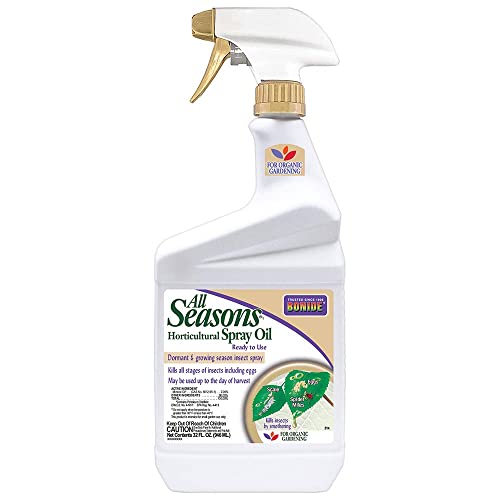
- Horticultural oil spray for hibiscus aphids spray bottle

Before You Start
Before treating hibiscus, inspect leaves and stems for heavy infestation and honeydew buildup. Water the plant gently beforehand to help wash off some aphids and improve spray coverage. Safety is important: wear protective gloves and avoid spraying in strong direct sunlight. Schedule treatments for early morning or late afternoon to minimize leaf burn. Time estimate: 15–30 minutes per session, plus drying time.
Critical cautions: Do not apply oils or soaps to stressed or newly planted hibiscus, or on flowers that are about to open. Follow product label directions precisely and avoid mixing products unless the label allows it.
Step-By-Step: How To Treat Hibiscus Aphids
- Prepare your spray solution using the insecticidal soap or horticultural oil as directed on the product label.
- Rinse the hibiscus leaves with a gentle spray to remove loose aphids and reduce surface pests.
- Apply the solution to the undersides of leaves where aphids congregate, ensuring thorough coverage without runoff.
- Re-spray every 5–7 days to target newly hatched aphids and repeat for 2–4 weeks or until symptoms subside.
- Rotate products to prevent resistance: alternate between insecticidal soap, neem oil, and horticultural oil every 1–2 treatments if infestations persist.
- Monitor nearby plants for aphids, especially when hibiscus is grown among other ornamentals.
- After each application, avoid fertilizing heavily for a week to prevent new growth that can attract aphids.
- Remove heavily infested shoots if growth is severely stunted or leaves are turning yellow and dropping.
- Clean spray equipment after use and store in a cool, dry place away from children and pets.
- Record treatment dates and aphid activity to guide future garden care and timing.
- If natural controls are insufficient, consider integrating biological controls such as beneficial insects in the broader garden plan.
Troubleshooting
| Symptom | Likely Cause | Fix | Prevention |
|---|---|---|---|
| Leaf curl or burn after spraying | Sun exposure combined with oil residue | Spray during cooler parts of day; avoid midday heat | Schedule applications for early morning or late afternoon |
| Aphids return after treatment | Lifecycle stage not fully controlled or resistance | Rotate products; reapply as directed | Implement continuous monitoring and early interventions |
| Streaks or residue on flowers | Over-application or run-off | Apply lighter, even coats; avoid spraying open blooms | Test spray on a small leaf first |
| Hibiscus shows yellowing | Overuse of oils, improper dilution | Check label dilution; rinse foliage with water if needed | Follow label guidelines precisely |
Common Mistakes
- Spraying under direct sun when using oils, causing leaf burn.
- Using a single product repeatedly, which can lead to resistance.
- Overlooking undersides of leaves where aphids hide.
- Not testing the product on a small area before wide application.
- Discarding the plant too soon when aphids persist; consider rotation and time for life cycle completion.
Tips For Best Results
- Spray early in the morning or late afternoon to reduce evaporation and leaf damage.
- Apply to both the upper and lower leaf surfaces for maximum contact with aphids.
- Combine physical cleanup (washing leaves) with chemical controls for faster relief.
- Keep a simple log of treatment dates and aphid activity to guide future care.
- Consider nearby plants; a coordinated approach reduces reinfestation from adjacent hosts.
Call A Professional
If hibiscus shows severe damage, rapid decline, or systemic symptoms such as widespread yellowing and brittle stems, contact a licensed horticulturist or extension service. Seek professional help if you notice signs of disease alongside aphids, or if you have a large landscape with sensitive plantings. In cases of persistent infestations after multiple treatment cycles, a pro can help identify underlying issues and provide integrated pest management recommendations.
FAQ
What is the best spray for hibiscus aphids?
Insecticidal soap is a fast-acting option that is generally safe for hibiscus when used as directed.
Can neem oil be used on hibiscus?
Yes, neem oil can help suppress aphid populations and disrupt life cycles when applied correctly.
How often should I treat hibiscus for aphids?
Treat every 5–7 days, rotating products if needed, for 2–4 weeks or until aphids are gone.
Are oils safe for blooming hibiscus?
Apply oils carefully to avoid direct contact with open flowers. Early morning or late afternoon spraying reduces risk to flowers.
Buying Guide
When selecting products to control hibiscus aphids, consider size, spray pattern, and compatibility with hibiscus foliage. Look for labels that indicate suitability for ornamental plants and clear instructions for dilution and application. Factors to compare include:
- Size and concentration: Choose bottles that fit the garden size and apply coverage efficiently without frequent reapplication.
- Noise level and ease of use: Garden sprayers should be comfortable to handle and vented to reduce pressure buildup.
- Energy efficiency: Manual pump or hose-end sprayers do not require power; choose based on convenience and reach.
- Controls: Prefer products with clear, simple directions and safety warnings to minimize misuse.
- Placement: Storage location should be cool, dry, and out of reach of children and pets; ensure spray area can be isolated to protect non-target plants.
In practice, many hibiscus owners use a combination of insecticidal soap, neem oil, and horticultural oil to manage aphids effectively. Consider starting with a basic program focused on insecticidal soap, then rotate with neem oil or horticultural oil if aphids persist. Always follow label instructions and test on a small leaf area first to protect plant health. Ready access to a couple of spray types allows flexibility as aphid populations wax and wane across the growing season.