Unfinished wood surfaces require careful cleaning to preserve their natural look while maintaining a solid base for finishes. This guide walks American homeowners through safe, effective steps to clean bare, untreated wood without causing damage or uneven sheen.
Following these methods helps remove dust, oils, and residue before staining, sealing, or sanding. The focus is on preparing the material for the next finish layer, whether it is a clear coat, stain, or oil-based treatment.
Quick Answer
Time to clean: 20–60 minutes depending on surface size. Best initial step: remove loose debris, then use gentle cleaners or mineral spirits for prep. Finish with a microfiber cloth to dry and inspect the surface.
What You’ll Need
- Stiff nylon wood cleaning brush for unfinished wood
- Deglosser for unfinished wood cleanup
- Mineral spirits wood cleaner for unfinished wood prep
- Orbital sander for raw unfinished wood sanding
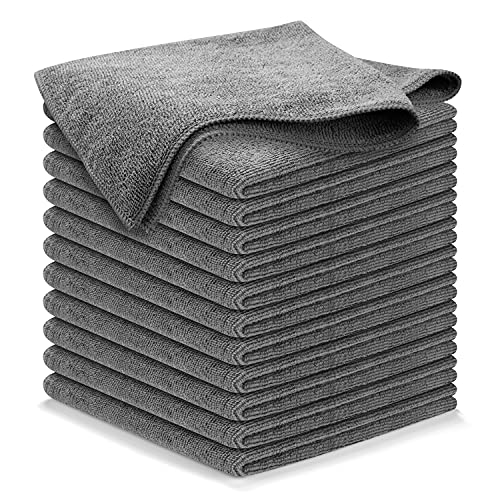
- Microfiber cleaning cloth for bare wood surface

Before You Start
Prepare a well-ventilated workspace and lay down a drop cloth to protect surrounding areas. Clear the surface of furniture or architectural woodwork and remove any hardware or nails that could obstruct cleaning. Test cleaners on a small, inconspicuous area to gauge color and finish response. Be mindful of safety—wear gloves and eye protection when using solvents or sanding aids. Cleaning unfinished wood often involves dust and chemical exposure; plan for adequate ventilation and a dry, dust-free environment. Time estimate: 30–60 minutes for a typical tabletop or panel.
Step-By-Step: How To Clean Unfinished Wood
- Prepare the area and remove loose dust with a dry cloth or a vacuum designed for fine dust.
- Use the stiff nylon wood cleaning brush for unfinished wood to scrub away surface grit in small, circular motions. Work with the grain when possible to avoid marring the wood.
- Apply a light amount of mineral spirits wood cleaner for unfinished wood prep to a clean cloth and wipe the surface. This helps dissolve oils and sticky residues without saturating the wood.
- For glossy or resinous residues, follow with a deglosser for unfinished wood cleanup on a fresh cloth to dull any slick spots and prepare for finishing.
- Allow the surface to air-dry completely, typically 15–30 minutes depending on ambient humidity and temperature.
- If the surface has stubborn spots, lightly sand with a fine-grit sandpaper or an orbital sander for raw unfinished wood sanding to remove the residue without creating swirl marks. Wipe away the dust with a microfiber cloth.
- Inspect the surface for uniform cleanliness and dryness. Ensure there are no remaining oils or shine before applying a finish.
- Optionally re-clean any dusty areas with a damp cloth, then dry thoroughly before proceeding to stain, seal, or finish.
- Store cleaners and tools properly after use and ventilate the space until all odors dissipate.
- If finishing will occur soon, avoid delaying the next step to minimize dust settlement on the clean surface.
Troubleshooting
| Symptom | Likely Cause | Fix | Prevention |
|---|---|---|---|
| Streaks or oily residue remains | Overuse of cleaner or insufficient drying time | Wipe with a dry microfiber cloth and allow thorough air-dry before finishing | Use only a light film of cleaner per area |
| Surface feels tacky after cleaning | Excess solvent or incomplete drying | Re-wipe with a clean cloth and increase ventilation | Balance cleaner application and drying time |
| Dust clings after cleaning | Dusty environment or residual finish | Vacuum and wipe with microfiber, then re-dry | Clean in a less-dusty area if possible |
| Sanding leaves uneven tone | Moisture trapped in wood or uneven cleaning | Wait for complete dryness; re-clean if needed | Avoid damp conditions during prep |
Common Mistakes
- Over-wetting unfinished wood with cleaners, which can swell or warp the surface.
- Skipping the drying step, leading to poor adhesion for finishes.
- Avoiding a test patch on a hidden area, risking color or texture changes.
- Using harsh solvents on soft woods which can raise grain inconsistently.
Tips For Best Results
- Always work with the grain when scrubbing to minimize scratch marks.
- Choose a cleaner compatible with the intended finish; some finishes require only a deglosser or light wipe.
- Keep cleaning sessions short and controlled to prevent wood from absorbing excess moisture.
- Wear protective gear and ensure good ventilation, especially when using mineral spirits or deglossers.
- After cleaning, wipe the surface with a dry microfiber cloth to remove any remaining moisture and dust.
Call A Professional
Consult a professional if unfinished wood shows deep staining, warping, or finishes that require specialized prep. Stop and seek help if the wood begins to swell, crack, or lose structural integrity during cleaning or sanding.
FAQ
What is the safest cleaner for unfinished wood?
The safest option depends on the wood and planned finish; a mineral spirits-based cleaner is common for prep, while a deglosser helps prepare glossy spots without deep cleansing.
Can I use water to clean unfinished wood?
Minimal, controlled moisture can be used, but excessive water can cause swelling. Use damp cloths only and ensure thorough drying.
Do I need to sand after cleaning?
Sanding is optional and depends on the surface finish you plan to apply. Light sanding helps remove stubborn residues and primes the surface for staining.
How long does unfinished wood need to dry after cleaning?
Drying times vary by temperature and humidity but typically range from 15 to 60 minutes for cleaning steps, with longer drying before finishing.
Buying Guide
Choosing the right tools and products for unfinished wood cleaning depends on the material and the intended finish. Consider the following factors to make an informed purchase:
- Cleaning tools: A stiff nylon wood cleaning brush helps remove surface grit on rough, unfinished wood without gouging it.
- Deglossers and prep/finish aids: A deglosser can efficiently dull slick spots when prepping surfaces for staining or sealing.
- Solvent-based cleaners: Mineral spirits are commonly used for prep; ensure proper ventilation and surface compatibility.
- Finishing prep: An orbital sander is useful for smoothing raw unfinished wood before stain, sealer, or paint.
- Cleaning cloths: Microfiber cloths capture dust and residues without scratching the surface.
For different projects, prioritize a kit that combines a cleaning brush, a deglosser, a mineral spirits cleaner, an orbital sander, and microfiber cloths to cover the most common stages of prep. Compare the ease of use, drying times, and surface compatibility for your specific wood type. Do you need a quick touch-up or a full prep before finishing? Selecting the right combo saves time and yields a smoother final appearance.