RVers rely on clean solar panels to maximize energy production on the road. Dirt, dust, bird droppings, and pollen can reduce efficiency if left unattended. This guide provides practical, safe methods for keeping RV solar panels clean without damaging the system.
Regular cleaning is especially important after long trips through desert regions or dusty highways. The steps below focus on safe handling, proper cleaners, and equipment that minimizes the risk to the panels and wiring.
Quick Answer
Best practice: use lukewarm water, a soft brush or microfiber cloth, and non-abrasive cleaner spray. Avoid high-pressure hoses directly on panels. Clean during cooler parts of the day to prevent rapid evaporation and streaking.
What You’ll Need
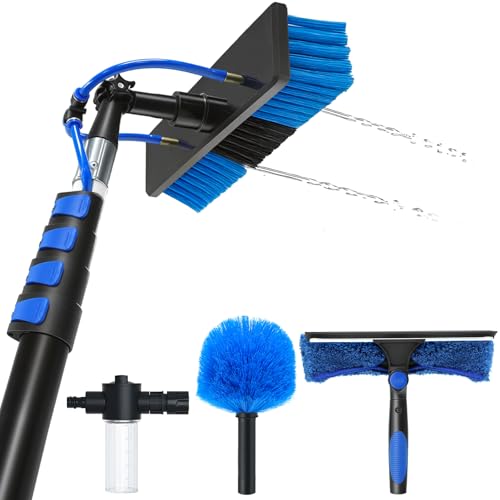
- RV solar panel cleaning kit
- Soft bristle brush for RV solar panels
- Microfiber cloth for RV solar panel cleaning
- Non-abrasive solar panel cleaner spray
- Water-fed cleaning brush for RV solar panels


Before You Start
Only clean panels when the system is cool to the touch and the RV is in a shaded area. Disconnect any power sources and avoid cleaning during direct sunlight to reduce streaking. Use lukewarm water—hot water can cause thermal stress on glass and seals. Inspect for loose connections or damaged wiring before stepping onto the roof or lifting panels.
Protect seals, gaskets, and mounting hardware. If cleaning near roof vents or antennas, take care not to dislodge components. Have a helper if access requires a ladder or roof work. Plan for a 20–40 minute window depending on roof layout and panel count.
Step-By-Step: How To Clean RV Solar Panels
- Assess the panel area for debris and shade the surface with a cloth or shade cover to reduce direct sun while cleaning.
- Rinse panels gently with a low-flow stream of lukewarm water. This helps loosen dust without scratching the surface.
- Apply a non-abrasive solar panel cleaner spray according to label directions or mix a mild soap solution if spray is unavailable.
- Use a soft bristle brush for RV solar panels to lightly agitate stubborn grime in a circular motion. Avoid scrubbing with heavy pressure.
- Wipe with a microfiber cloth for RV solar panel cleaning in straight, overlapping strokes to lift dirt and minimize streaks.
- For tall or hard-to-reach panels, employ a water-fed cleaning brush for RV solar panels with a gentle stream to rinse away loosened dirt.
- Rinse panels thoroughly with clean water to remove all soap residues, ensuring no soap film remains that could attract more dirt.
- Dry the surface using a clean microfiber cloth, or allow panels to air-dry if you have time and wind conditions are favorable.
- Perform a quick functional check by re-connecting power sources and verifying voltage output when the system is under sun again.
Troubleshooting
| Symptom | Likely Cause | Fix | Prevention |
|---|---|---|---|
| Streaks after cleaning | Water spots or soap residue | Re-wipe with a dry microfiber cloth | Rinse with clean water, dry promptly |
| Reduced output after cleaning | Dirty junctions or moisture affecting connections | Inspect wiring and seals; dry components completely | Clean in dry, mild weather; avoid soaking electrical areas |
| Scratches on panel surface | Abrasive materials or harsh scrubbing | Stop using rough brushes; switch to soft brushes | Only use dedicated soft-bristle tools |
| Leak or water intrusion around mounts | Worn seals or loose fittings | Tighten fittings and reseal with appropriate marine-grade sealant | Inspect seals during seasonal maintenance |
Common Mistakes
- Using high-pressure water directly on panels, which can push water into seals and frames.
- Scrubbing with abrasive tools or harsh cleaners that dull the glass or damage coatings.
- Cleaning in direct sun or on hot panels, which increases streaking and risk of thermal shock.
- Neglecting to dry panels after rinsing, leading to mineral deposits and streaks.
Tips For Best Results
Schedule cleaning after a light rain when loose dust is already washed away. Work with the RV parked on a shaded, level surface for stability and safety. Use dedicated solar panel cleaning tools and keep a dedicated microfiber cloth for panels to avoid cross-contamination with other cleaning tasks. If you notice persistent haze, consider a specialized solar panel cleaner designed for tempered glass coatings.
Call A Professional
Call a professional if there are signs of water intrusion around mounting hardware, loose or damaged wiring, cracked panels, or a significant drop in output that cannot be resolved with cleaning. Do not attempt roof repairs or sealant work beyond basic cleaning—solar electrical systems require specialized diagnostics and safety practices.
FAQ
What is the safest way to clean RV solar panels?
Use lukewarm water, a soft brush, and a non-abrasive cleaner. Avoid high-pressure sprays and cleaning in direct sunlight.
Can I use household window cleaners on RV panels?
Avoid household cleaners that contain ammonia or harsh solvents. Use a non-abrasive solar panel cleaner or mild soap solution.
How often should RV solar panels be cleaned?
Clean panels when you notice dirt buildup or after dusty trips; most RV users clean a few times per year depending on climate and routes.
What should I do if panels appear cloudy after cleaning?
Cloudiness can indicate mineral residues or micro-scratches; re-clean with a fresh microfiber cloth and ensure thorough rinsing. If persists, consult a professional.
Is it safe to clean panels while parked on the roof?
Only if you have proper roof access, fall protection, and a partner to assist. Do not take unnecessary risks on elevated surfaces.
Can water quality affect cleaning results?
Hard water leaves mineral deposits; use distilled or demineralized water if available, or rinse with clean tap water followed by thorough drying.
Buying Guide
When selecting cleaning gear and accessories for RV solar panels, consider size, weight, and ease of use. Key factors include how the tools fit your roof layout, how well they reach all panels, and whether they minimize risk to the panel surface. Look for a dedicated RV solar panel cleaning kit that includes a soft-bristle brush, microfiber cloths, and non-abrasive cleaner spray. Assess compatibility with your panel size and mounting configuration, and prefer tools designed for tempered glass and marine-grade seals. Noise level, water usage, and portability matter for frequent travelers. Check whether the kit includes a water-fed cleaning option for hard-to-reach panels, and verify that components are easy to clean and store in an RV bin or garage shelf. For energy efficiency and maintenance, routine cleaning is a small investment toward sustained power generation on the road.