Cleaning a fish properly is essential for clean flavor, safe handling, and efficient butchering. This guide walks through a practical approach suitable for common freshwater and saltwater species, using standard kitchen tools and durable fish-specific gear.
Whether you’re preparing a whole fish from a recent catch or a store purchase, following a streamlined method helps preserve meat quality and minimizes waste. The steps emphasize safety, precision, and clean filleting techniques that yield evenly portioned fillets ready for cooking.
Quick Answer
Start by scrubbing the fish under cold running water, scale if necessary, then remove the head and internal organs. Use a sharp fillet knife to separate the fillets from the backbone, trim away membranes and bones, and rinse the fillets again before patting dry. Gloves, a sturdy cutting board, and a reliable fillet knife help maintain control and reduce slips.
What You’ll Need
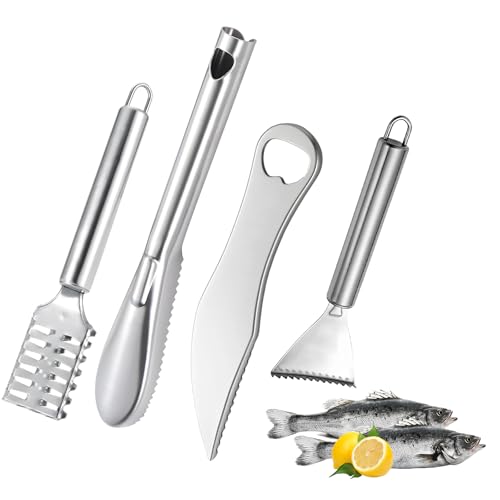
The following tools are commonly used to clean and fillet fish. Keep a clean workspace, a stable cutting board, and a sharp knife for best results.
- 7 inch fillet knife stainless steel fish fillet knife
- fish scaler tool with serrated edge stainless steel
- fish gutting knife stainless steel 6 inch
- cut-resistant fish cleaning gloves
- fish boning knife stainless steel 6 inch


Before You Start
Plan for a clean, well-lit workspace with a non-slip mat under the cutting board. Thaw frozen fish in cold water or in the refrigerator, never at room temperature. Keep a separate tray for discarded organs and scales to avoid cross-contamination. Time estimate: 15–30 minutes for a single fish, longer for larger catches. Critical cautions include keeping fingers away from the knife blade, maintaining a firm grip, and washing hands and tools thoroughly after handling raw fish to prevent bacterial growth.
Step-By-Step: How To Clean A Fish For Fillets
- Rinse the fish under cold running water to remove slime and surface debris.
- Place the fish on a stable cutting board and use a fish scaler tool if present to remove scales, moving from tail toward head.
- Use a sharp gutting knife to open the fish along the belly, from the vent toward the head, and remove the internal organs.
- Rinse the cavity and surrounding area again to clear remaining blood and debris.
- Turn the fish on its side and insert the fillet knife behind the gills to separate the flesh from the backbone along the length of the fish.
- Run the knife from head to tail following the backbone on both sides to produce two fillets, keeping the knife as close to the bones as possible.
- Trim away dark meat, bloodlines, and any remaining ribs with the boning knife or the fillet knife as needed.
- Remove any remaining pin bones with tweezers or a small plier, then rinse fillets briefly and pat dry with a clean towel.
- If desired, skin the fillets by positioning the knife between the skin and flesh and sliding along the skin while keeping the blade angled slightly downward.
- Store the cleaned fillets on ice or in the refrigerator promptly to maintain freshness.
- Dispose of waste in a sealed bag, away from food prep areas, and clean all tools and surfaces thoroughly.
- Inspect fillets for uniform thickness and trim as needed before cooking or freezing.
Troubleshooting
| Symptom | Likely Cause | Fix | Prevention |
|---|---|---|---|
| Fillets are curling or tearing | Backbone is not cut cleanly | Reseat knife and carefully retrace backbone; remove small splinters | Keep knife sharp; work slowly along the bones |
| Fish skin sticks to flesh | Blade angle is too flat | Angle blade slightly downward and use a taut skin-on approach | Practice steady, even motion |
| Strong odors lingering | Improper cleaning or cross-contamination | Rinse thoroughly, use clean water, sanitize surfaces | Separate cutting boards for raw fish and other foods |
| Bones remain in fillet | Pin bones not located or removed | Inspect fillet with fingers and pliers to remove bones | Check for bones after trimming and before cooking |
Common Mistakes
- Using a dull knife that tears flesh rather than cuts cleanly
- Not keeping the fish cold, which can cause mushy texture
- Rushing the gutting step and risking contamination
- Ignoring skin when it’s desired, leading to uneven fillets
Attention to knife skill and knife maintenance is essential for practical results. Regularly honing and sharpening blades helps maintain clean cuts and reduces waste.
Tips For Best Results
- Work with a sharp, well-lubricated knife to minimize drag and keep cuts precise.
- Keep fillets cold and dry to prevent stickiness and degrade texture.
- Angle cuts to maximize meat yield while minimizing bone contact.
- Label and freeze portions promptly to maintain peak flavor and texture.
- Use a dedicated fish-cleaning station or mat to contain mess and odors.
Call A Professional
Consider a professional seafood service if a fish is unusually large, has tough skin, or requires heavy skinning or deboning beyond ordinary home prep. Stop and seek expert help if:
- The fish is significantly spoiled or discolored
- There is a strong, persistent odor that does not diminish after cleaning
- Bones are difficult to locate or remove without risk of bone fragments remaining
FAQ
Is it necessary to remove all bones?
Removing most bones improves texture and eating experience, though some pin bones may remain depending on fish size and species.
What safety precautions are essential?
Keep knives sharp, use a stable cutting surface, and wash hands and tools frequently to prevent contamination.
Can I clean fish without using gloves?
Gloves help protect hands and improve grip, especially when handling slippery fish, but clean hands and proper technique can suffice.
How should I store cleaned fillets?
Cool promptly and store on ice or in a refrigerator; for longer storage, freeze properly in labeled packaging.
What if the fish is already gutted at the market?
Rinse and pat dry before filleting; if you only need fillets, skip the gutting step.
Should I scale fish before cleaning?
Scale when the recipe or fish type requires it; many fillets can skip scaling if skin-on methods are used.
Buying Guide
Choosing the right gear for cleaning fish depends on several factors. Consider blade quality, size, and material to match the fish you typically prepare, as well as your comfort level with handling knives. Key buying factors include:
- Size and weight of knives and tools; larger fish often require longer blades for efficient filleting.
- Blade material (high-grade stainless steel resists corrosion and maintains edge longer).
- Edge retention and ease of sharpening; a blade that can be honed regularly reduces replacement frequency.
- Grip comfort and non-slip handles are essential for wet conditions.
- Cleaning gloves for safety and hygiene, especially when handling raw fish and sharp tools.
- Dedicated fish tools such as a fish scaler and boning knife to complement filleting work.
- Storage and organization solutions to keep tools sanitary and accessible.
When comparing options, evaluate how each tool fits your typical fish types, kitchen setup, and cleaning workflow. A compact, sharp fillet knife paired with a reliable scaler and gloves generally offers the best balance of control and versatility for home use.