Floating algae in a pool can turn clear water cloudy and uninviting. Proper steps combine chemical balance, physical removal, and ongoing cleaning to prevent recurrence. This guide outlines practical methods suitable for American residential pools and offers a clear, actionable plan to restore sparkly, algae-free water.
Quick Answer
Target floating algae quickly with a chlorine boost and skimming, then use a combination of brushing and filter-based removal. Regular brushing and a routine cleaning schedule prevent future blooms.
What You’ll Need
- Stiff nylon algae brush for inground pool walls — helps dislodge algae from surfaces
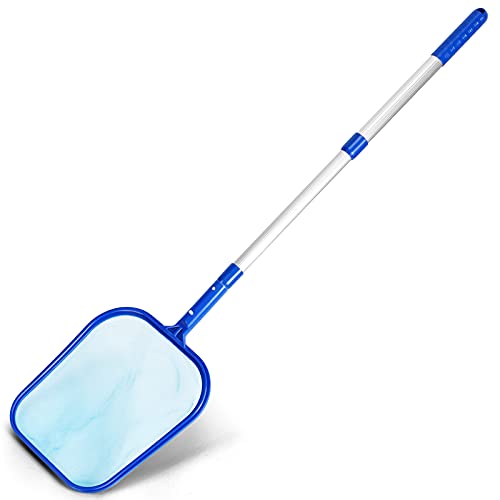
- Telescoping pool skimmer net with fine mesh for floating algae — capture surface clumps
- Manual pool vacuum head for algae removal — vacuum debris to waste or cartridge filter
- Automatic pool cleaner for algae control (robot/suction-side) — ongoing removal with less effort
- Fine-mesh pool net with adjustable pole for debris and algae — quick, targeted removal of surface mats


Before You Start
Before any intervention, check the pool water chemistry: free chlorine, pH, alkalinity, and stabilizer levels should be within recommended ranges. Clear cloudy water by addressing pH first if it’s too high or too low, as improper pH reduces sanitizer effectiveness. Wear eye protection and gloves when handling chemicals. Estimate a time window of 1–3 hours for the initial cleanup, plus additional days for ongoing maintenance.
Step-By-Step: How To Remove Floating Algae
- Skim the surface with the telescoping pool skimmer net with fine mesh to remove floating clumps and debris.
- Shock the pool or raise chlorine levels to eliminate free-floating algae, following label directions for dosage based on pool size.
- Brush the walls and steps with the stiff nylon algae brush for inground pool walls to loosen embedded algae and expose it to chlorine.
- Suction to remove settled debris using the manual pool vacuum head for algae removal, directing flow toward the filter or waste line if possible.
- Run the pool cleaner with the automatic pool cleaner for algae control selecting an appropriate mode for algae removal; let it work for several hours.
- Vacuum remaining surface algae with the manual vacuum, focusing on low-visibility patches near the surface and along the waterline.
- Re-test and rebalance after circulation and filtration; adjust pH to 7.4–7.6 and chlorine to the recommended range for your sanitizer.
- Repeat as needed over the next 1–3 days, maintaining consistent filtration and chemical balance to prevent rebound.
Troubleshooting
| Symptom | Likely Cause | Fix | Prevention |
|---|---|---|---|
| Persistent surface algae after shock | Insufficient sanitizer or poor circulation | Re-shock and run the pump longer | Ensure proper water turnover and regular brushing |
| Cloudy water after cleaning | Filtration overload or high CYA | Backwash/clean filters; test and adjust stabilizer | Maintain balanced levels and clean filters routinely |
| Algae returns within days | Imbalanced pH or low chlorine | Rebalance chemistry; increase sanitation | Regular testing and small, frequent adjustments |
| Surface green film | Biofilm on surfaces | Brush walls thoroughly and shock again | Consistent brushing schedule |
Common Mistakes
- Using the wrong type of net or brush that won’t dislodge algae from the walls
- Over-cleaning without rebalancing chemistry, leading to sanitizer fatigue
- Neglecting routine filtration, allowing debris to clog the system
- Skipping brushing after a rain or high heat, which fosters new growth
Tips For Best Results
- Maintain a consistent water chemistry routine; even minor shifts can enable algae growth.
- Keep filter pressure in a normal range; high pressure suggests a dirty filter or restricted flow.
- Schedule regular brushing of walls and floor to prevent adherence of algae.
- Choose an automatic pool cleaner that suits your pool type for ongoing prevention.
- Store tools properly after use to prevent degradation and preserve performance.
Call A Professional
If algae blooms persist after multiple treatments or the pool remains cloudy despite proper chemical balance, consider a professional inspection. Stop signs to consult a pro include persistent green tint, strong odor, or persistent staining that won’t clear with standard shock and brushing.
FAQ
What’s the fastest way to remove floating algae?
Skim the surface, shock the pool, brush the walls, and run a cleaner to remove debris efficiently.
How often should I brush and skim during algae season?
Brush at least twice weekly and skim daily during peak growth periods.
Can I swim while treating algae?
Only after chemistry returns to safe levels and the water appears clear; avoid swimming during high shock doses.
Which pool cleaner is best for algae control?
Both robot and suction-side cleaners can be effective; choose based on pool size, layout, and maintenance preferences.
How long does it take to fix a floating algae issue?
Most households see improvement within 24–72 hours with the right steps and proper chemistry.
Buying Guide
When selecting tools for fighting floating algae, consider how each item supports the cleaning workflow and maintenance routine. Size matters for pools with large surface areas, while mesh quality impacts surface pickup efficiency. Energy-efficient cleaners reduce long-term costs, and customizable poles improve reach without strain. A practical kit balances immediate removal with ongoing prevention, ensuring a clean, inviting pool throughout the season.
Key Buying Factors
- <bPool size and surface: Larger pools benefit from robust cleaners and longer-reaching nets.
- <bNoise level: Quieter equipment improves usability around evenings and early mornings.
- <bEnergy efficiency: Choose cleaners with low energy draw or automatic shutoffs.
- <bControls: Manual tools offer control, while automatic cleaners provide hands-off maintenance.
- <bPlacement: Storage space and ease of use influence tool selection and frequency of use.
With the right combination of tools and routine, floating algae can be managed effectively, keeping pool water clear and safe for everyday enjoyment. If in doubt, test and adjust chemistry regularly and consult professional help when necessary.