Gold jewelry can lose its luster over time due to oils, sweat, and air exposure. Proper cleaning helps restore the original shine without damaging delicate pieces. This guide focuses on safe methods for cleaning tarnish from gold jewelry, including 14k and 18k varieties, and offers practical steps for a home refresh.
Readers will find a practical, step-by-step approach, quick checks for trouble spots, and options for when professional cleaning is warranted. The advice is tailored for American households aiming to maintain the beauty and longevity of their gold jewelry collection.
Quick Answer
Quick method: Use a mild solution of warm water and a few drops of non-abrasive dish soap, then gently scrub with a soft-bristled brush and rinse well. For small items or heavy tarnish, consider a specialized liquid tarnish remover designed for 14k or 18k gold, following product instructions carefully.
What You’ll Need
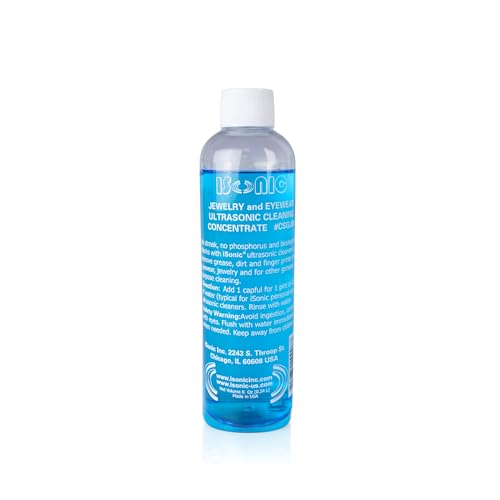
- Gold jewelry cleaner liquid tarnish remover for 14k 18k gold
- Gold jewelry polishing cloth tarnish remover kit
- Gold plated jewelry cleaner kit tarnish removal
- 14k 18k gold necklace cleaning solution
- Gold jewelry cleaning kit with solution and microfiber cloth


Before You Start
Before cleaning, remove any loose stones or clasps that may loosen during the process. Work in a well-lit area and lay a soft towel to cushion the jewelry. Avoid ultrasonic cleaners on porous or glued-in stones, and never use abrasive materials on gold-plated items, which can wear away plating. Estimate the time as 15–30 minutes for a standard jewelry cleaning session, longer for heavily tarnished pieces or intricate items.
Step-By-Step: How To Clean Tarnished Gold
- Inspect each piece for loose stones or weak clasps; set aside anything that looks unstable.
- Prepare a cleaning solution: mix warm water with a few drops of mild dish soap. For best results, use a 14k 18k gold necklace cleaning solution or a gold jewelry cleaner liquid tarnish remover according to the packaging.
- Dip a soft-bristled toothbrush or a dedicated gold jewelry cleaning kit with solution and microfiber cloth into the solution.
- Gently brush the jewelry, paying attention to crevices and engravings where tarnish tends to cling.
- Rinse under lukewarm running water, ensuring all soap residues wash away. Pat dry with a soft microfiber cloth.
- For stubborn tarnish, apply a small amount of the gold plated jewelry cleaner kit tarnish removal product following the label directions, then rinse and dry thoroughly.
- Polish with a gold jewelry polishing cloth tarnish remover kit to restore luster. Use light, even strokes and avoid over-polishing delicate settings.
- Inspect again for any remaining dull spots. Repeat only if necessary, skipping if stones or settings show wear.
- Store cleaned pieces in a dry, padded box or soft compartment to minimize future tarnish exposure.
- For heirloom or highly valuable pieces, consider professional cleaning if you notice discoloration that does not respond to at-home methods.
Troubleshooting
| Symptom | Likely Cause | Fix | Prevention |
|---|---|---|---|
| Gold looks dull after cleaning | Insufficient rinsing or light polish | Rinse thoroughly and re-polish with a clean cloth | Rinse until no soap remains |
| Discoloration or color changes | Reaction to harsh cleaners or plating wear | Switch to a milder cleaner and avoid plating-clearing agents on gold plated items | Avoid aggressive chemicals and check plating status |
| Stones feel loose | Cleaning agitation loosened settings | Stop cleaning and have a jeweler inspect | Handle with care; use gentle brushes |
| Piece tarnishes quickly after cleaning | Environmental exposure or improper storage | Store in anti-tarnish pouches; minimize humidity | Keep pieces dry and away from chemicals |
Common Mistakes
- Using abrasive materials that scratch gold surfaces
- Soaking jewelry with glued-in stones or delicate settings
- Mixing cleaning agents not intended for jewelry
- Over-polishing, which can thin out gold over time
- Neglecting to rinse completely, leaving residues behind
Tips For Best Results
Clean jewelry in a calm, controlled environment to prevent accidental drops. Always test a small, inconspicuous area first when using a cleaner. If your items include gemstones, consult the jeweler’s guidance for stone-specific care, as some stones nearby gold may require separate treatment. For frequently worn pieces, establish a routine cleaning cadence to prevent heavy tarnish buildup. Consider pairing your cleaning with proper storage in a cool, dry place away from direct sunlight.
Call A Professional
Professional cleaning is recommended when:
- There is significant discoloration or a persistent dull appearance after at-home cleaning.
- Pieces have loose stones, bent prongs, or structural damage.
- Gold is part of a larger jewelry collection with sentimental or high monetary value.
In these situations, a skilled jeweler can safely restore shine while preserving the integrity of the piece.
FAQ
Can I use dish soap to clean all gold jewelry?
Yes, mild dish soap with warm water is suitable for many pieces, but avoid abrasive cleaners on platinum-coated or fine jewelry with delicate settings.
Is ultrasonic cleaning safe for all gold items?
No. Ultrasonic cleaners can loosen stones or damage fragile settings; consult a jeweler if unsure.
How often should I clean gold jewelry?
A routine cleaning every few weeks keeps pieces looking their best, with deeper cleanings every few months as needed.
What should I do if plating wears off?
Gold-plated items should be cleaned carefully and protected from harsh chemicals; once plating wears, consider re-plating or replacement by a professional.
Are there signs that a piece needs professional cleaning?
Persistent dullness, scratches that cannot be buffed out, or stones that appear loose indicate a professional assessment is needed.
Can I mix cleaning products?
Avoid mixing cleaners; use a single product designed for gold and follow the instructions on the label.
What storage helps prevent tarnish?
Store gold jewelry in a cool, dry place, ideally in anti-tarnish pouches or lined boxes to minimize exposure to air and humidity.
Buying Guide
When choosing a cleaning solution or kit, consider size, formulation, and compatibility with your jewelry. Key factors include:
- Size and concentration: Larger bottles last longer, but concentrated formulas require careful dilution.
- Metal type compatibility: Ensure the product is safe for 14k and 18k gold, and for gold-plated pieces if applicable.
- Inclusion of microfiber cloth: A soft cloth aids final polishing without scratching.
- Ease of use: Kits with simple steps reduce the risk of user error.
- Safety and scent: Look for fragrance-free or mild formulas if sensitive skin is a concern.
- Storage and packaging: Reusable containers and included storage pouches add value.
Consider your jewelry’s needs and how often you clean. Do you wear pieces daily or reserve them for special occasions? A light, regular maintenance regimen often beats occasional deep cleaning. If you own valuable or antique pieces, err on the side of professional care to protect intricate settings and provenance.