Pilling on a comforter can make it look worn and reduce its softness. This guide provides practical, safe steps to remove pills and refresh your bedding. By using common tools and gentle techniques, you can extend the life of your comforter without damaging the fabric.
Quick Answer
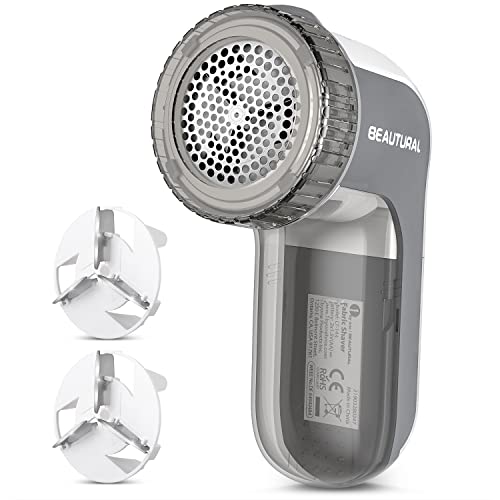
Gently lift and remove pills with a handheld fabric shaver designed for blankets and comforters. For delicate fabrics, use a fabric defuzzer with a low setting. Regular lint removal tools can manage surface fuzz, but avoid aggressive scraping on delicate microfiber. Test any tool on a hidden area first and work in small sections for best results.
What You’ll Need
- Handheld fabric shaver for blanket and comforter
- Pilling remover fabric defuzzer for comforters
- Lint remover shaver for duvet cover microfiber
- Anti-pilling pill remover for bedsheet and comforter
- Microfiber blanket fabric defuzzer cordless

Before You Start
Check fabric care labels on the comforter to confirm heat and washing guidelines. Perform a quick test on a small, inconspicuous area to ensure the tool won’t damage fibers. Work in a well-lit area and use a flat surface to keep the comforter taut. Allow the fabric to cool before handling after any heat-based tool use. Keep away from open flames and avoid over-heating the fiber.
Time estimate: 15–40 minutes for a standard queen-size comforter, depending on the amount of pilling and fabric type. Safety note: unplug cordless devices when not in use and follow manufacturer instructions for battery safety.
Step-By-Step: How To Remove Pilling From A Comforter
- Place the comforter on a flat, clean surface. Smooth out folds to create an even working area.
- Inspect the fabric under good lighting to identify all pills and fuzz that need removal.
- Use the handheld fabric shaver for blanket and comforter on a low to mid setting. Gently shave across the surface with short, overlapping passes.
- For stubborn or embedded pills, switch to the pilling remover fabric defuzzer for comforters and repeat with lighter pressure.
- After shaving, run a clean lint roller or lint remover shaver over the fabric to pick up loose fibers and pills.
- For delicate microfiber sections, use a microfiber lint remover shaver with careful, brief strokes to avoid snags.
- Rotate the comforter to ensure even treatment across all areas, paying attention to seams and edges where pills can accumulate.
- Inspect again and touch up any remaining pills with small, controlled strokes. Do not press too hard to prevent fabric distortion.
- Brush or shake out the entire comforter to remove lint and loose fibers. Let it air out for a few minutes before reusing or washing as directed by the care label.
- Wash the comforter according to its care guidelines after the pill removal session if recommended, using a gentle cycle and mild detergent to maintain fabric integrity.
- Store or re-drape the comforter on the bed. Periodic maintenance can prevent future heavy pilling—consider a light pass with the fabric defuzzer every few months.
- For repeat pilling in high-friction areas, consider using a fabric shaver with a softer blade or lowering the shaving pressure to minimize fiber wear.
Troubleshooting
| Symptom | Likely Cause | Fix | Prevention |
|---|---|---|---|
| Pills return quickly after shaving | High-friction area or coarse fabric | Switch to a gentler setting or use a specialized defuzzer | Avoid rubbing surfaces and consider using a duvet cover with a smoother weave |
| Fabric snagging during shaving | Blade blade dull or fabric too delicate | Turn down pressure or switch tools | Test on hidden area first; use light, even passes |
| Uneven results across the comforter | Uneven surface or tool angle | Reposition and work in small sections | Keep surface taut and consistent pressure |
| Lint residue after shaving | Underlying fibers shed | Finish with a lint roller or lint remover | Regular maintenance to prevent buildup |
Common Mistakes
- Using excessive pressure with a shaver, which can gouge fibers
- Shaving over seams or embroidered details where pills hide
- Running the tool for too long in one spot, causing heat buildup or fiber damage
- Ignoring care labels that suggest washing or air-drying instead of high-heat drying
Sticking to light passes and testing on small areas helps prevent these issues and yields smoother results.
Tips For Best Results
- Choose a tool appropriate for the fabric type—microfiber cues often respond best to gentle, precise strokes.
- Work in a well-lit space to clearly see pills and fibers.
- Exchange tools or blades when they become dull to maintain effectiveness.
- Finish with a light lint removal to eliminate loose fibers and enhance the appearance.
- Consider a regular maintenance routine: brief pilling sessions every few weeks can keep comforters looking fresh.
Call A Professional
Seek professional care if the comforter shows significant fabric damage, tearing, or thinning threads that cannot be safely corrected with home tools. If the fabric has sentimental value or a high thread count where a DIY approach risks permanent damage, a professional alterations or repair service may be warranted.
FAQ
Can I use a regular hair shaver to remove pills from a comforter?
Hair shavers are not typically designed for fabric and can snag or damage fibers. Use a tool specifically labeled for fabric pilling or a gentle defuzzer.
Will pilling harm my comforter over time?
Surface pilling is cosmetic, but aggressive removal or improper tools can abrade fibers. Use light pressure and appropriate devices to preserve fabric quality.
How often should I de-pill my comforter?
Depending on use and washing, every 1–3 months is a common interval for maintenance to keep the look neat.
Is it safe to wash a comforter after removing pills?
Most comforters can be washed after pill removal, following care labels. Use a gentle cycle and appropriate detergent to protect fabric integrity.
Buying Guide
Choosing the right pilling-removal approach for a comforter involves several factors. Consider the size of the bed and the comforter, the fabric type (microfiber, cotton, or blends), and how often pilling tends to occur. Noise level and battery life matter for cordless devices, especially in bedrooms. Energy efficiency is less of a concern for handheld devices, but efficiency translates to quicker sessions and less drag on the fabric. Controls should be straightforward with adjustable settings for different fabric weights. Placement matters too: a well-lit, flat surface in a laundry room or bedroom makes the process easier. When comparing options, look for tool sets that include both a shaver and a defuzzer, as each handles different pill textures. For best results, match the tool to the fabric blend of the comforter and begin with lighter settings on delicate areas. If a product mentions compatibility with blankets and comforters, it’s often a good fit for household bedding needs and can simplify maintenance routines. Always test on an inconspicuous area first to avoid accidental damage and ensure compatibility with care labels.