Hydraulic fluid leaks can leave stubborn stains and slippery surfaces on concrete. Proper cleanup minimizes staining, reduces slip hazards, and protects nearby soil and drainage. This guide explains practical steps and product options to remove hydraulic fluid from concrete efficiently.
Following a systematic approach helps prevent spread and contamination while restoring the concrete’s appearance. The methods below prioritize safety, environmental responsibility, and effectiveness using common concrete-cleaning tools and absorbents.
Quick Answer
Act quickly to contain the spill with absorbent pads or socks, apply a degreaser suitable for concrete, scrub with a stiff brush, rinse with a pressure washer, and repeat as needed. For stubborn stains, use a citrus-based cleaner and an industrial degreaser designed for concrete surfaces.
What You’ll Need
- Oil spill absorbent pads for concrete cleanup
- Oil spill containment kit with absorbent socks for concrete
- Industrial degreaser for concrete surfaces
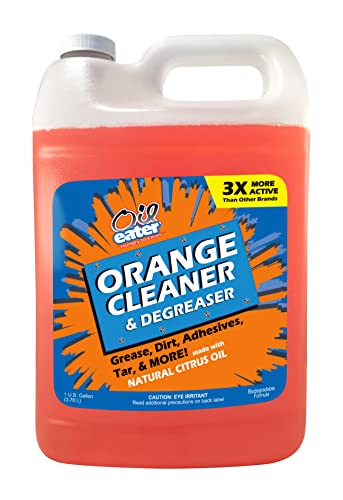
- Concrete cleaner degreaser citrus formula
- Heavy-duty concrete pressure washer with surface cleaner


Before You Start
Put on protective gloves, eye protection, and long sleeves. Ventilate enclosed areas and avoid mixing cleaners with unknown substances. Test cleaners on a small, inconspicuous area first to check for discoloration. Time estimate: 1–3 hours for light spills; 3–6 hours for larger or older stains.
Caution: Do not allow hydraulic fluid to reach storm drains or soil. Use absorbents to contain the spill and dispose of used materials according to local regulations. Keep children and pets away from the work zone.
Step-By-Step: How To Clean Hydraulic Fluid Off Concrete
- Contain the spill with absorbent pads and, if available, absorbent socks to prevent spread.
- Blot and lift as much liquid as possible with disposable rags or paper towels; avoid rubbing to prevent pushing the stain deeper.
- Apply an industrial degreaser for concrete surfaces or a concrete cleaner degreaser citrus formula according to label directions, focusing on the stained area.
- Let the cleaner sit for the recommended dwell time to loosen oily residues.
- Scrub the area with a stiff-bristle brush to emulsify the oil from the concrete pores.
- Rinse with a heavy-duty concrete pressure washer using a surface cleaner attachment to reach into grooves and prevent streaks.
- Inspect the area; repeat the cleaning cycle if any stain remains, especially in porous sections.
- Dispose of collected liquids and used absorbents properly, then perform a final rinse and allow the surface to air dry.
Troubleshooting
| Symptom | Likely Cause | Fix | Prevention |
|---|---|---|---|
| Stain remains after first pass | Old or deeply absorbed oil | Reapply degreaser and scrub, repeat rinse | Contain and neutralize promptly; clean spills immediately |
| Streaks after rinsing | Uneven application or poor spray pattern | Respray with proper pressure and use surface cleaner | Use a consistent sweeping motion |
| Excess foam or suds | Incompatible cleaner interaction | Rinse with plain water, switch to recommended product | Follow label directions exactly |
| Discoloration of concrete | Harsh chemical on sensitive concrete | Test first and switch to milder cleaner | Pre-check on a small area |
Common Mistakes
- Waiting too long to start cleanup after a leak
- Using only water without an effective degreaser on oil-impregnated concrete
- Over-wetting the area, causing runoff to nearby surfaces
- Skipping proper disposal of absorbents and fluids
Tips For Best Results
- Choose a cleaner formulated for concrete and oil-based stains to maximize emulsion and lift oils from pores.
- Work from the outside edge of the spill toward the center to prevent spreading.
- For large spills, combine absorbent pads with socks to form a contained barrier.
- After cleaning, consider applying a sealant to aid future stain resistance and simplify cleanup next time.
Call A Professional
Consider calling a professional if the spill covers a large area, reaches porous substrates like concrete pavers, or shows signs of seepage into surrounding soils. If the stain persists after multiple cleaning attempts, or if there is staining near sensitive equipment or drainage systems, a licensed technician can assess and remediate safely and effectively.
FAQ
What should I do immediately after a hydraulic fluid spill?
Contain the spill with absorbent pads or socks and remove as much liquid as possible, then clean with an appropriate degreaser.
Can citrus-based cleaners remove hydraulic oil stains?
Yes, citrus-based concrete cleaners help break down oil and emulsify residues, especially for fresh stains.
Is a pressure washer necessary?
A heavy-duty concrete pressure washer with a surface cleaner yields the best rinse and helps prevent streaks, though scrubbing with a stiff brush and a thorough rinse can work for smaller areas.
How often should I seal concrete after cleaning?
Sealing after cleaning helps resist future oil penetration; follow manufacturer recommendations based on the sealant product and concrete usage.
Buying Guide
When choosing cleaning products and tools for hydraulic fluid on concrete, consider several factors that influence effectiveness and safety.
- Size of the spill: Larger spills benefit from absorbent kits and heavier-duty degreasers with a wide coverage area.
- Surface type: Flat, smooth concrete responds well to pressure washing, while porous or stained surfaces may require multiple cleaning cycles and a citrus-based or industrial degreaser.
- Noise and energy use: High-powered pressure washers offer faster results but require electricity or gas and produce more noise; balance cleanup speed with location and neighbors.
- Environmental impact: Choose biodegradable cleaners and properly contained absorbents to minimize runoff and environmental harm.
- Controls and ease of use: Simple spray patterns, safe activation, and clearly labeled instructions reduce misuse.
- Placement and access: Ensure power sources, water supply, and drainage are accessible; plan a cleanup route that minimizes recontamination.
- Cost and availability: Stock up on a combination of absorbents, degreasers, and a portable pressure washer if frequent spills are expected.
Is the goal to quickly remove oil, protect surfaces, or prepare the area for repairs? Understanding the priority helps tailor the kit and cleaners for reliable results.