Gymnastics mats see frequent use in home studios, schools, and gym facilities. Proper cleaning not only extends their life but also keeps athletes safe by reducing sweat, oils, and germs that can lead to slips or irritation. This guide provides practical steps, recommended products, and safety tips to clean various mat types effectively.
Whether you’re refreshing a puzzle mat, a foam mat, or a full-size practice surface, following these methods will help maintain grip and integrity without damaging the mat’s surface or seams.
Quick Answer
For most gym mats, use a non-abrasive cleaning spray or wipes that are silicone-free and formulated for gym surfaces. Spot-clean stubborn stains with a foaming spray on puzzle mats, then wipe dry. Always test a small inconspicuous area first and ensure the mat is fully dry before reuse.
What You’ll Need
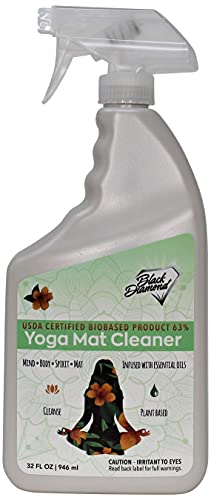
- Gymnastics mat cleaner spray 32oz non-toxic disinfectant
- Gymnastics mat disinfectant wipes antibacterial large canister
- Non-abrasive gym mat cleaning spray silicone-free 16oz
- Gymnastics mat cleaning kit brushes microfiber towels
- Foam mat cleaner foaming spray for puzzle mats


Before You Start
Prepare a clean, well-ventilated area and lay out towels or disposable sheets to prevent water damage to surrounding flooring. Wear gloves if you have sensitive skin or prefer extra protection. Test any cleaner on a small area of the mat to check for color bleeding or surface dulling. Allow ample drying time between passes to prevent slippery residues. Time estimate: 20–40 minutes for a standard home gym setup, depending on mat size and number of mats.
Step-By-Step: How To Clean Gymnastics Mats
- Remove loose debris by brushing or vacuuming the mat surface to prevent rubbing dirt into the fabric.
- Apply a thin, even layer of non-abrasive gym mat cleaning spray across the surface and corners, avoiding soaking seams.
- Wipe with microfiber towels, using a circular motion to lift sweat, oils, and dirt. For textured surfaces, use a soft brush to reach crevices.
- For disinfectant needs, use gymnasium-safe products such as the gymnastic mat cleaner spray or wipes, following label directions for contact time.
- Rinse or wipe down with a damp cloth if the product requires removal. Ensure all residues are removed to prevent skin irritation.
- Dry the mat completely with clean towels or air-dry in a well-ventilated area before the next use.
- Inspect seams and edge bindings for wear. If any moisture has seeped into padding, place mats on edge to promote airflow while drying.
- Repeat the process for each mat, ensuring tools are dedicated to gym mats to avoid cross-contamination with other surfaces.
- Store cleaning tools in a dedicated kit and label bottles to prevent accidental misuse on non-mat surfaces.
- Update cleaning frequency based on use: high-traffic studios may require daily cleaning; home setups can work on a weekly schedule.
- Document any persistent staining or odors and consider a deep-clean schedule if needed for hygiene compliance.
Troubleshooting
| Symptom | Likely Cause | Fix | Prevention |
|---|---|---|---|
| Sticky residue after cleaning | Too much cleaner or inadequate wipe-down | Use a damp microfiber cloth to rinse and remove residue; repeat if necessary | Apply cleaner sparingly in a light mist |
| Faded color or surface dulling | Harsh cleaner or abrasive scrubbing | Switch to non-abrasive silicone-free formula and gentle brushing | Test on a hidden area first |
| Persistent odors | Bacteria in padding or seams | Use a non-toxic disinfectant approved for mats; allow thorough drying | Regular cleaning and airing after use |
| Staining on puzzle mats | Spill or sweat absorption | Apply foam mat cleaner foaming spray, scrub gently, rinse, dry | Address spills promptly |
| Water damage at edges | Excess moisture near seams | Elevate mats and improve airflow until completely dry | Avoid soaking seams during cleaning |
Common Mistakes
- Using harsh, abrasive cleaners on glossy mat surfaces
- Soaking mats with excess liquid that seeps into seams
- Not rinsing off cleaner residues, leading to skin irritation
- Using cleaners not labeled for gym mats or silicone-containing products on matte surfaces
- Neglecting to dry mats fully before reuse
Choosing the right products from the suggested list helps avoid these pitfalls and keeps mats in top condition.
Tips For Best Results
- Rotate mat cleaning responsibilities to ensure consistent hygiene without over-wetting any single mat.
- Keep a dedicated set of microfiber towels and soft brushes for mat cleaning only.
- Store mats in a well-ventilated area to speed up drying and prevent mold growth.
- Label cleaners by their purpose (disinfection vs. surface cleaning) to avoid cross-use mistakes.
- For high-traffic areas, create a daily quick wipe-down routine and weekly deep clean.
Call A Professional
Contact a professional if mats have extensive staining that resists standard cleaning, persistent odors after multiple disinfectant cycles, or visible damage such as torn seams or soft padding. If anyone using the mats has skin sensitivities or allergies, seek guidance from a cleaning specialist or the mat manufacturer for suitable products and methods.
FAQ
What cleaners are best for gymnastic mats?
Non-abrasive, silicone-free cleaners designed for gym mats work best to preserve surface texture and grip.
Can I use disinfectant wipes on foam mats?
Yes, provided the wipes are approved for gym surfaces and do not leave sticky residue that could attract dirt.
How often should I clean gymnastic mats?
High-use spaces may require daily wipe-downs and a weekly deep clean; home spaces can clean weekly or biweekly.
Is it safe to use household cleaners on mats?
Only if the product is labeled for gym mats and approved by the manufacturer; otherwise, stick to purpose-built tools.
What should I do about persistent mold or mildew?
Use a disinfectant with mold/mildew control and ensure mats dry completely between uses; replace mats if mold recurs.
Buying Guide
When selecting cleaning products and mats or accessories, consider size, surface material, and cleaning needs. Ask: How large is the mat area, and will it fit in your cleaning space without soaking adjacent floors? Noise and energy efficiency matter if using spray bottles with compressors or mechanical cleaning tools. Look for products labeled non-toxic and silicone-free for safety and compatibility with typical gym mats. Controls on spray bottles or wipes should be easy to use with clear directions. Placement considerations include keeping a dedicated cleaning station away from high-traffic zones to minimize disruption and to maintain a safe cleaning workflow. Compare the overall cost per cleaning session and the time required for drying, aiming for a routine that maintains hygiene while preserving mat longevity.