Regular grooming and cleaning are essential for a horse’s comfort, health, and appearance. This guide outlines a practical, step-by-step routine that helps you clean your horse effectively while protecting their skin and coat. With the right tools and a consistent approach, grooming becomes a calming, bonding activity for horse and handler.
Key routines include brushing to remove dirt and loose hair, cleaning the coat with shampoo, and caring for hooves. The steps below prioritize safety, efficiency, and the horse’s well-being, using common grooming items you can find in a typical American stable.
Quick Answer
Start with a thorough dry brush to lift dirt, then wash the coat with horse shampoo and conditioner, rinse well, and dry. Clean the hooves with a hoof pick, finish with detangler for the mane and tail, and store tools in a grooming bag. Use a routine that suits the horse’s coat type and activity level.
What You’ll Need
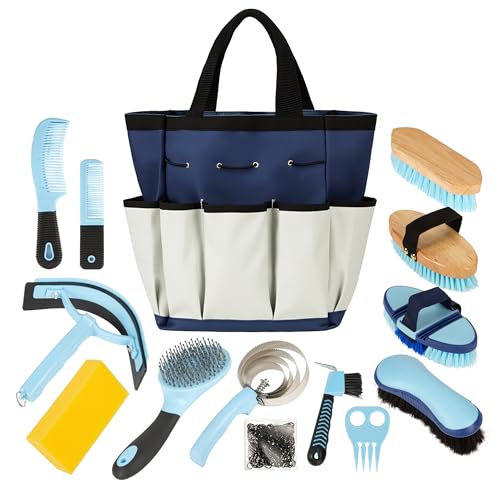
- Horse grooming kit including curry comb, body brush, and basic brushes
- Equine bath shampoo and conditioner 1 gallon
- Hoof care kit with hoof pick and hoof rasp
- Mane and tail detangler spray for horses
- Horse grooming bag with brushes and curry comb


Before You Start
Ensure the horse is calm and tied in a safe cross-tie or tied stall. Check the weather and avoid bathing in extreme cold or heat to prevent stress or skin irritation. Use lukewarm water and test a small skin area first if the horse has sensitive skin. Have a drying plan, including towels or a lightweight, breathable blanket for aftercare. Never spray water directly into the horse’s ears or eyes.
Step-By-Step: How To Clean A Horse
- Prepare the grooming area: Ensure a clean, dry workspace with non-slip footing. Remove loose equipment and lay out all brushes, shampoo, and towels.
- Remove loose hair and dirt: Use a curry comb to loosen dirt, then follow with a body brush to lift debris from the coat in small circular motions.
- Brush the mane and tail: Lightly detangle the mane and tail using a comb or your hands, avoiding tugging on knots. Reserve the detangler spray for after washing if needed.
- Rinse and prepare for washing: Rinse the horse with lukewarm water, paying attention to the neck, chest, and barrel to remove surface dust and sweat.
- Wash with shampoo and conditioner: Apply equine bath shampoo evenly, lather, and rinse thoroughly. Apply conditioner if recommended for coat type, then rinse again until water runs clear.
- Clean the legs and pasterns: Use a soft brush and gentle water to clean the legs, being mindful of mud accumulations above the hooves.
- Hooves and feet: Dry the horse first, then pick out each hoof with a hoof pick to remove stones and debris. Use a hoof rasp only if needed for rough edges, taking care to avoid over-trimming.
- Final drying and detangling: Dry the coat with towels or a hair dryer on a low setting if appropriate. Apply mane and tail detangler spray to prevent tangles and add shine.
- Finish with a quick brush: Lightly brush the coat from neck to hindquarters to remove any remaining loose hair and set the coat with a final shine.
- Check for skin issues: While brushing, inspect for dandruff, rubs, or unusual bumps that may require veterinary attention.
- Store equipment: Clean and dry all brushes, return tools to the grooming bag, and store in a dry, ventilated area.
Troubleshooting
| Symptom | Likely Cause | Fix | Prevention |
|---|---|---|---|
| Horse resists brushing | Discomfort or fear | Use a calmer approach; short sessions; reward with grain or praise | Maintain a consistent grooming routine |
| coat dull after wash | Insufficient rinsing or residue from product | Rinse thoroughly; use a small amount of conditioner if recommended | Follow product directions precisely |
| Hooves dirty despite cleaning | Hard-packed dirt or mud | Soak gently and re-scrub; check for cracks | Regular hoof care after workouts |
| Rashes or skin irritation | Allergic reaction or sensitive skin | Switch products; consult a vet if persists | Test products on a small area first |
Common Mistakes
- Over-washing, which can strip natural oils and irritate skin
- Using hot water, which can cause discomfort or skin damage
- Skipping thorough rinsing, leaving product residues on the coat
- Pulling on the mane or tail when detangling, causing breakage
Tips For Best Results
- Groom in a familiar space to reduce stress and speed up the process
- Work in sections to ensure an even clean and coat shine
- Use a dedicated hooftool kit for hoof cleaning to prevent cross-contamination
- Apply detangler spray sparingly to avoid over-softening the hair
- Inspect the coat for signs of skin conditions after grooming
Call A Professional
Contact a veterinarian or equine professional if the horse shows persistent skin irritation, unusual lumps, or signs of pain during grooming. Seek professional hoof care if there are recurrent hoof abscesses, cracks, or lameness after cleaning.
FAQ
What tools are essential for cleaning a horse?
A basic set includes a curry comb, body brush, mane comb, hoof pick, hoof rasp, shampoo, conditioner, detangler spray, and a grooming bag to keep everything organized.
How often should I bathe a horse?
Bathing frequency depends on activity, climate, and coat type. Regular brushing is often enough between baths, with baths as needed to remove sweat and dirt.
Is it okay to use human shampoo on horses?
No. Human shampoos are not formulated for equine skin and can disrupt the coat’s oils and pH balance.
What if the horse has sensitive skin?
Use hypoallergenic or veterinarian-recommended products and test on a small area before full use. Avoid fragrances or strong detergents.
How do I store grooming tools safely?
Keep tools dry, clean, and in a sturdy grooming bag, stored in a ventilated area away from direct sunlight.
What are signs of good coat health after grooming?
A healthy coat appears shiny, smooth, and free of flaking or irritation; the horse seems comfortable and relaxed after grooming.
Buying Guide
When selecting grooming tools and products, consider how they fit the horse’s size, coat type, and activity level. Size matters for handling and effectiveness; a compact brush set may be ideal for smaller horses, while larger horses benefit from longer handles for reach. Noise and energy efficiency are less relevant for grooming gear but choose practical, durable items that withstand barn conditions.
Key factors include size, noise level, energy efficiency, controls, and placement of grooming gear. Look for a complete kit that includes a curry comb, body brush, mane detangler, and a hoof care set. Consider a 1-gallon shampoo option if you bathe horses regularly and need repeated use. For routines emphasizing hoof health, a dedicated hoof rasp can help maintain hoof integrity. A sturdy grooming bag keeps tools organized and portable across stalls and trailers.
For those prioritizing coat care, a high-quality detangler spray extends manageability of the mane and tail, reducing breakage and tangles. If you frequently travel with your horse, a compact grooming kit with essential tools can simplify routines on the road. Compare kit contents to ensure you’re getting the best value and coverage for your grooming tasks.