Mexican tile, known for its vibrant glaze and unique patterns, adds character to kitchens, bathrooms, and entryways. Proper cleaning keeps the colors bright and the grout intact without damaging the glaze. This guide covers practical methods, best tools, and safety tips to maintain ceramic or cement Mexican tile at home.
From everyday maintenance to deep cleaning, readers will learn how to remove stains, seal grout, and extend the life of decorative tiles. The steps below focus on accessible tools and products that work well in American homes and are gentle on grout while effectively lifting grime.
Quick Answer
For routine cleaning, sweep or vacuum, then mop with a pH-neutral ceramic tile cleaner concentrate and a microfiber mop. For stubborn stains, use a steam cleaner with a tile grout attachment or a grout cleaning brush with a long reach handle. Finish with a grout sealer if needed to protect porous grout.
What You’ll Need
- Microfiber mop for ceramic tile cleaning
- pH-neutral ceramic tile cleaner concentrate
- Tile grout cleaning brush with long reach handle
- Steam cleaner with tile grout attachment
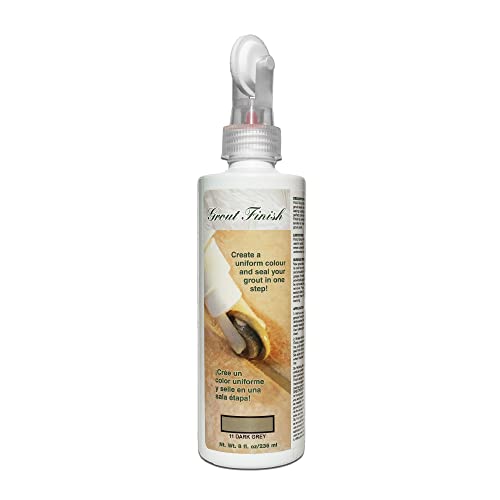
- Grout sealer applicator and bottle set


Before You Start
Prepare the area by removing furniture and using a protective mat in entryways. Ventilate the space if you’ll use stronger cleaners. Test any new cleaner in a small, inconspicuous area to ensure colorfastness. For safety, wear gloves and eye protection when handling cleaning solutions. Estimate 30 minutes to complete a typical room, plus extra time for grout sealing if chosen.
Notes: avoid acidic cleaners on natural stone or unglazed surfaces, and never mix cleaners with bleach or ammonia. If tiles are painted or have a delicate glaze, use gentler methods and follow manufacturer instructions.
Step-By-Step: How To Clean Mexican Tile
- Dry sweep or vacuum to remove loose dirt and prevent muddying the grout during washing.
- Mix a pH-neutral ceramic tile cleaner concentrate with water according to label directions in a bucket.
- Mop the floor with a microfiber mop, working in small sections to avoid resoiling.
- Focus on grout lines by applying cleaner directly with a tile grout cleaning brush with long reach handle and scrub in circular motions.
- For tougher stains, use a steam cleaner with tile grout attachment for deep cleaning without eliminating glaze.
- Rinse the surface with clean water or a damp microfiber pad to remove residue from cleaners.
- Dry the floor with a clean microfiber pad or towel to prevent water spots and grout moisture buildup.
- If grout is porous or discolored, apply a grout sealer using a grout sealer applicator and bottle set, following the manufacturer’s recommended cure time.
- Inspect tiles for missed spots and repeat targeted cleaning if needed; re-seal grout if you notice recurring staining.
- Establish a maintenance routine: light cleaning weekly and deep cleaning monthly to keep Mexican tile vibrant.
Troubleshooting
| Symptom | Likely Cause | Fix | Prevention |
|---|---|---|---|
| Grout looks dark or stained after cleaning | Residual cleaner or penetrating grime | Rinse thoroughly and re-clean with fresh water | Rinse immediately after cleaning; avoid over-wetting grout |
| Tile glaze appears dull | Harsh cleaners or hard water minerals | Switch to pH-neutral cleaner and wipe dry | Use distilled water for mopping if needed |
| Staining near grout lines | Pore spaces absorb stains | Apply grout sealer after cleaning | Seal grout proactively after deep cleaning |
| Sealer not adhering | Moisture or improper surface prep | Dry and re-apply sealant as directed | Ensure surface is clean and dry before sealing |
Common Mistakes
- Using acidic cleaners on glazed tile or grout
- Over-wetting the grout during cleaning
- Neglecting to seal porous grout after cleaning
- Rubbing too aggressively and scratching glaze
Tips For Best Results
- Always test cleaners on a small area first to avoid discoloration.
- Use a microfiber mop and pad for efficient dirt pickup with less water.
- Schedule regular grout sealing every 1–2 years, depending on traffic and grout porosity.
- For historic or decorative tiles, consider a professional cleaning plan to protect artwork.
Call A Professional
Consult a professional if tiles are severely cracked, chipped, or if grout contains deep staining that resists standard cleaners. Seek help when there is extensive mold growth, structural damage, or if staining persists after multiple sealing attempts. If you notice efflorescence on cement-based tiles, a specialist can assess moisture issues and recommend appropriate remediation.
FAQ
Can I use bleach to clean Mexican tile grout?
Bleach can be effective on grout but may discolor some tiles and degrade sealers. Use cautiously and dilute properly, or avoid if your tile glaze is sensitive.
How often should I seal Mexican tile grout?
Seal porous grout every 1–2 years, or after deep cleaning if the grout appears dry or stained.
Is steam cleaning safe for glazed Mexican tile?
Yes, a steam cleaner with a tile grout attachment can be safe when used on low heat and with appropriate settings, avoiding direct contact with delicate glaze edges.
What’s the best way to remove tough grout stains?
Combine a grout cleaning brush with a pH-neutral cleaner, and consider steam cleaning for stubborn areas.
Should I mop before or after scrubbing grout?
Begin with dry cleaning to remove loose dirt, then scrub grout with a brush and cleaner, and finish with a thorough rinse.
Can I use a regular floor mop for Mexican tile?
A microfiber mop is preferred for its ability to trap dirt and use less water; standard string mops can push dirty water into grout.
Are there eco-friendly products for Mexican tile cleaning?
Yes, choose a pH-neutral cleaner and microfiber tools to minimize chemical usage while maintaining cleaning effectiveness.
Buying Guide
When selecting tools and products for cleaning Mexican tile, consider size, noise, energy efficiency, controls, and placement. A well-rounded kit typically includes a microfiber mop for ceramic tile cleaning, a pH-neutral ceramic tile cleaner concentrate, a tile grout cleaning brush with long reach handle, and a steam cleaner with tile grout attachment for deep cleaning. For ongoing maintenance, a grout sealer applicator and bottle set helps protect grout from future staining. Look for non-abrasive brushes to preserve glaze and grout lines. Noise levels on steam cleaners and mop units matter in open living spaces. Consider a compact model with adjustable steam settings or a wide-mouthed bottle for easy grout sealing. Placement matters: choose tools with ergonomic handles for comfortable use in kitchens and bathrooms, and ensure that cleaners are compatible with glazed ceramic and cement-based Mexican tiles. Compare products based on how easily they reach grout lines, how effectively they lift dirt, and how long sealants last in high-traffic areas. Finally, verify that cleaners are safe for colored tiles to prevent fading of decorative patterns.