Matte paint walls add a soft, velvety finish to a room, but they can show smudges and fingerprints more readily than glossy surfaces. This guide provides a practical, step-by-step method using gentle cleaners and basic tools to keep matte walls looking fresh without damaging the finish. The approach minimizes streaks and preserves the wall’s texture for lasting beauty.
Proper cleaning routines help extend the life of matte paint and reduce the need for touch-ups. The following steps focus on common household soils and everyday maintenance, with safety tips and best practices to avoid over-wetting or abrading the surface.
Quick Answer
For most matte walls, use a soft-bristle brush or non-scratch sponge with a mild, pH-balanced cleaner. Lightly work in small circular motions, rinse with a clean damp cloth, and dry with a microfiber cloth to prevent water spots.
What You’ll Need
- Microfiber cleaning cloth for matte walls
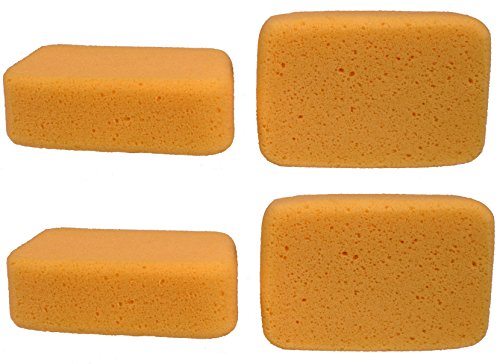
- Non-scratch sponge for cleaning matte paint walls
- Gentle wall cleaner spray for matte paint
- Soft bristle wall cleaning brush for matte walls
- Stain remover for matte painted walls


Before You Start
Prepare the area by removing furniture or covering it with drop cloths. Ventilate the space if you’re using any spray cleaners. Test a hidden area of the wall with your chosen cleaner to ensure there is no discoloration or texture change. Do not scrub aggressively; matte paint can lift if treated roughly. Budget 15–30 minutes for a typical room cleaning session, depending on wall size and soil level. Critical cautions: avoid soaking the wall, do not use bleach or ammonia-based cleaners on most matte finishes, and never scrub with harsh abrasive pads.
Step-By-Step: How To Clean Matte Paint Walls
- Inspect the wall sections and categorize soils: dust, fingerprints, smudges, and stains.
- Dust the surface with a dry microfiber cloth or soft brush to remove loose particles.
- Spray a fine mist of gentle wall cleaner spray for matte paint onto the cloth or sponge, never directly onto the wall.
- Wipe in small, circular motions, starting at the top and working downward to prevent streaks.
- For stubborn smudges, apply a little cleaner to a non-scratch sponge and gently rub the area in a light lifting motion.
- Rinse the cloth or sponge frequently with clean water to avoid re-depositing soils.
- Dry the area with a separate microfiber cloth to prevent water marks and maintain the matte texture.
- Address any isolated stains with a dedicated stain remover for matte painted walls, following product directions closely.
- Let the wall air-dry completely before replacing furniture or re-hanging décor.
- Evaluate after drying; repeat only on small areas if needed to avoid over-wetting.
- Schedule regular touch-ups: quick dusting weekly and a deeper clean every 1–3 months, depending on use and exposure.
Troubleshooting
| Symptom | Likely Cause | Fix | Prevention |
|---|---|---|---|
| Streaks after cleaning | Excess cleaner or uneven drying | Wipe with a clean damp cloth, then dry with microfiber | Use minimal cleaner and dry promptly |
| Shine or water spots | Over-wetting or improper drying | Dry with soft cloth and avoid puddling | Spot-clean rather than saturate |
| Faded or discolored patches | Tested cleaners or direct spray | Test first; switch to milder cleaner | Always test in an inconspicuous area |
| Texture looks rough after cleaning | Abrasive scrubbing | Switch to non-scratch sponge and light pressure | Avoid harsh pads |
Common Mistakes
- Using harsh abrasive tools that lift the matte finish
- Over-wetting walls, which can cause paint to peel or warp over time
- Using bleach or ammonia-based cleaners on most matte surfaces
- Direct spraying cleaner onto walls instead of applying to a cloth
- Neglecting to dry walls thoroughly after cleaning
Tips For Best Results
- Dust regularly to prevent buildup that requires heavy cleaning later.
- Choose a cleaner labeled safe for matte finishes and test before wide use.
- Work in short sessions to avoid water penetration behind baseboards or trim.
- Use a pale color microfiber cloth to monitor soil transfer easily.
- Consider re-watching high-traffic zones (doors, switch plates) for touch-ups.
Call A Professional
Seek professional help if the walls show extensive staining, discoloration, or if cleaning attempts cause paint lift, flaking, or texture changes. Signs to stop cleaning and contact a pro include persistent blotches after multiple cleanings, peeling finish, or newly revealed patches after cleaning. A painter or cleaning service can assess whether the matte paint finish is washable and advise on refinishing options if needed.
FAQ
Can I clean matte walls with plain water?
Light dusting with a dry cloth is fine; water may cause streaks if not dried promptly.
Is a spray cleaner necessary for matte walls?
A gentle wall cleaner spray designed for matte finishes helps lift soils without abrasion.
What if a stain won’t come out?
Try a dedicated stain remover for matte painted walls and follow guidance; avoid harsh scrubbing.
How often should I clean matte walls?
Dust weekly with light cleaning every month or two, depending on traffic and exposure.
Are all cleaners safe for matte paint?
No. Use cleaners labeled safe for matte finishes and always test in a small area first.
Buying Guide
When choosing tools and cleaners for matte paint walls, consider several factors to optimize results. Size and scope of the room influence the type and quantity of supplies needed, while noise level and ease of use affect daily maintenance. Energy efficiency isn’t a major concern here, but product reliability matters for long-term upkeep. Controls should be simple to operate, and the tools should be gentle on the wall’s texture. Placement considerations include accessibility of corners, high walls, and baseboards where dust tends to accumulate.
Key buying factors to evaluate include:
- Size: Compact kits for small spaces or larger bundles for whole-home cleaning
- Noise level: Quiet brushes and sprays for apartments or shared walls
- Material compatibility: Soft bristles and non-scratch sponges designed for matte finishes
- Cleaning agents: Gentle, pH-balanced cleaners appropriate for matte paint
- Durability: Reusable microfiber cloths and sturdy sponges
- Ease of use: Simple spray-to-cloth workflow and clear product directions
- Maintenance: Replacements for worn brushes or pads and access to stain removers
For best results, match products to the wall’s finish and test in inconspicuous areas before full use. The right combination of tools can make routine cleaning quicker and more effective, helping matte walls retain their soft, refined appearance.