Wood cupboards add warmth and style to any kitchen, but keeping them clean without damaging the finish requires the right approach. This guide outlines practical steps, tool recommendations, and common troubleshooting tips to maintain oak, maple, or painted wood cabinets.
By following a careful routine, homeowners can restore luster and extend the life of their wood cupboards using readily available products designed for cabinetry care.
Quick Answer
Use a gentle, wood-safe cleaner or a dedicated cabinet cleaner spray, wipe with a microfiber cloth to avoid scratches, and finish with a wood-friendly polish or restorer for a fresh, protected look.
What You’ll Need
- Wood cabinet cleaner spray for kitchen cupboards
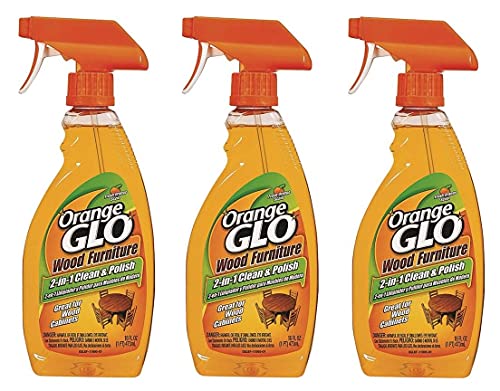
- Orange oil wood furniture polish for cabinets 12oz
- Microfiber cloths for wood cabinets cleaning 12×12 inches
- Water-based wood cabinet restorer for oak cupboards 32oz
- Cabinet cleaning foam for wood kitchen cupboards


Before You Start
Inspect surfaces for loose veneers, peeling finishes, or water damage. Test any cleaner on a small, inconspicuous area first. Work in a well-ventilated area and avoid abrasive scrubbers that can scratch wood. Plan for a cleanup session that fits within 30–60 minutes per area to prevent prolonged moisture exposure to wood seams.
Critical cautions: Do not saturate wood surfaces with cleaner or water-based restorers. Avoid ammonia- or bleach-based products on finished wood, and keep moisture away from cabinet hinges and drawer joints.
Step-By-Step: How To Clean Wood Cupboards
- Remove anything on the doors and shelves, and dust with a microfiber cloth to lift surface dirt.
- Apply a light mist of wood cabinet cleaner spray for kitchen cupboards to a clean cloth, not directly onto the wood.
- Wipe in the direction of the grain to avoid streaks, paying attention to trim, handles, and recessed panels.
- For sticky residues, use a small amount of cabinet cleaning foam on a cloth and work gently, then wipe away with a dry microfiber cloth.
- Dry surfaces thoroughly with a clean, dry microfiber cloth to prevent moisture absorption.
- Apply a small amount of orange oil wood furniture polish for cabinets 12oz to a separate cloth, then buff to a light sheen.
- For dull or dry finishes, use water-based wood cabinet restorer for oak cupboards 32oz following the product directions, typically a light application and gentle buffing.
- Reassemble items and return doors and shelves, checking for any streaks or residue and wiping again if needed.
Troubleshooting
| Symptom | Likely Cause | Fix | Prevention |
|---|---|---|---|
| Streaks after cleaning | Improper wipe or excess cleaner | Wipe with a clean, dry microfiber cloth in the grain direction | Use a gentle cleaner and avoid over-wetting |
| Greasy film | Over-application of oil or polish | Apply sparingly and buff well | Only use recommended amounts |
| Fading finish | Harsh cleaner or prolonged moisture | Switch to wood-safe cleaners and limit moisture | Test in hidden area first |
| Water spots | Water contact on unfinished edges | Dry immediately; use a restorer for protection | Keep cabinet edges dry during cleaning |
Common Mistakes
- Using ammonia-based products on wood finishes
- Over-wetting or saturating wood with cleaners
- Scrubbing with abrasive pads or stiff brushes
- Skipping a dry finish after cleaning, leaving moisture behind
Tips For Best Results
- Regular, light cleanings prevent buildup and dullness.
- Dust first to avoid rubbing dirt into the wood during cleaning.
- Test any product on a hidden area before full application.
- Use dedicated microfiber cloths for wood cabinets to minimize scratches.
- Choose a polish or restorer that matches your cabinet finish for a cohesive look.
Call A Professional
Contact a pro if there is visible water damage, warped doors, loose hinges, or peeling veneer. Seek expert help for refinishing or restoring large areas where finishes appear uneven after cleaning.
FAQ
What cleaning products are safe for wood cabinets?
Safe options include wood cabinet cleaner spray for kitchen cupboards, orange oil wood furniture polish for cabinets, and water-based restorers designed for wood finishes.
How often should I clean wood cupboards?
Light cleaning every 1–2 weeks and a deeper clean every 1–3 months, depending on kitchen conditions, is typically sufficient.
Can I use vinegar on wood cabinets?
Vinegar is not recommended for all finishes; use a product specifically designed for wood cabinets or a mild cleaner tested on a hidden area.
Is it okay to buff with a dry cloth after cleaning?
Yes, buffing with a dry microfiber cloth helps remove any residual moisture and restores the finish.
What should I do about sticky residues?
Use a small amount of cabinet cleaning foam and wipe away with a microfiber cloth, then dry thoroughly.
Do I need to restain or refinish after cleaning?
Usually not; a restorer or polish is sufficient for most finishes, but severe wear may require professional refinishing.
Buying Guide
When choosing products to clean and care for wood cupboards, consider size, finish type, and cabinet material (oak, maple, paint). Key factors include:
- <strongSize and coverage: Choose cleaners and polishes that are appropriate for your cabinet dimensions and the frequency of use.
- <strongNoise level: Most cleaning products are silent; consider sprays and foams that minimize odor and noise during application.
- Energy efficiency and environmental impact: Look for low-VOC formulations and plant-based solvents to reduce indoor air pollutants.
- Controls and usability: Sprays, foams, and wipes should be easy to control and dispense evenly.
- Placement and storage: Keep cleaning products in a cool, dry cabinet away from heat sources and children.
- Finish compatibility: Match products with your cabinet finish—natural wood, stained finishes, or painted surfaces—to avoid damage.
Considering these factors helps ensure safe, effective cleaning with minimal risk to wood cabinets and hardware. Would you prefer a simple routine or a more thorough restoration approach for worn finishes?