Plywood odors can stem from resins, adhesives, or moisture trapped during storage and use. With the right approach, you can minimize or eliminate the scent without harsh chemicals. This guide provides practical steps, tools, and best practices for American homes and workshops dealing with plywood odors.
Quick Answer
Quick method: Ventilate the area, place activated charcoal odor absorbers near the plywood, use a wood odor eliminator spray as needed, and consider a dehumidifier with an air purifier for ongoing control. For persistent smells, combine an VOC odor remover sealer with proper drying and airflow.
What You’ll Need
- Activated charcoal odor absorber bag for plywood
- Wood odor eliminator spray for plywood
- VOC odor remover sealer for plywood and wood panels
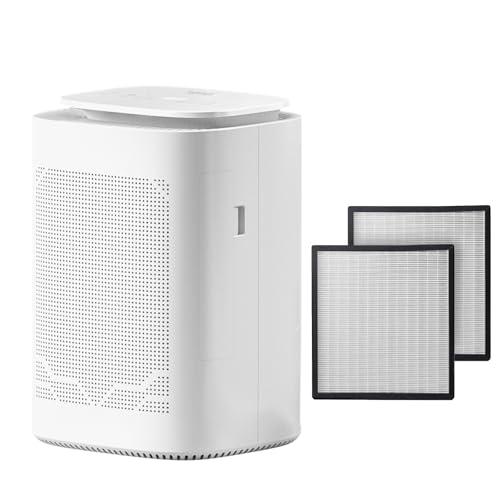
- Air purifier with activated carbon filter for VOCs and odors
- Dehumidifier with built-in air purifier for wood smell reduction
- Fans or portable air movers for ventilation


Before You Start
Before tackling plywood odors, confirm the smell isn’t masking a moisture problem or mold growth. Always work in a well-ventilated area and wear basic PPE, such as a dust mask and safety glasses when sanding or handling treated plywood. Plan for several hours of airing time and possible multiple treatments. Avoid using strong solvents indoors as they can trap odors or create new VOCs. If moisture is present, address it first to prevent recurring odors.
Step-By-Step: How To Eliminate Plywood Odors
- Open surrounding spaces and run fans to create continuous airflow, moving air from the source outward.
- Place activated charcoal odor absorber bags in close proximity to the plywood surface, especially near corners and seams where odors linger.
- Lightly mist the plywood with a wood odor eliminator spray for plywood, following the product label for coverage and ventilation requirements.
- Apply a VOC odor remover sealer for plywood and wood panels if the smell is persistent, ensuring even coverage on exposed surfaces.
- Set up an air purifier with an activated carbon filter to continuously treat air in the room or workshop space.
- Run a dehumidifier with built-in air purification if the area is damp, to reduce moisture that contributes to odor retention.
- Reassess after 24–48 hours. Repeat charcoal treatment and spray as needed, focusing on any remaining hotspots.
- Wipe down surfaces lightly with a clean cloth after the odor treatments to remove any residue, then re-ventilate for several hours.
- If the smell persists, reseal the plywood with a VOC remover sealer and re-run the air purification steps to lock in freshness.
- Monitor humidity and odor levels over the next few days, adjusting ventilation and filtration to maintain a neutral scent.
- Consider relocating or replacing particularly odorous sheets if the problem recurs after treatment.
- Document results and set a maintenance routine to prevent future buildup, especially after storage or new plywood acquisition.
Troubleshooting
| Symptom | Likely Cause | Fix | Prevention |
|---|---|---|---|
| Smell returns after treatment | Moisture/moisture pockets | Improve ventilation and run dehumidifier longer | Store plywood in dry, ventilated space |
| Plywood surfaces feel tacky after spray | Product residue | Wipe with a clean dry cloth; allow cure time | Test on a small area first; follow label dry times |
| Air purifier seems ineffective | Low air exchange or filter saturation | Increase fan output; replace carbon filter | Place purifier closer to the odor source |
| Visible mold or musty odor | Moisture and organic growth | Address moisture; use antifungal products if needed | Control humidity in storage areas |
Common Mistakes
- Ignoring moisture: Odors often linger when humidity remains high.
- Overusing solvents indoors: They can create new VOCs and health risks.
- Relying on a single solution: Odor control typically requires a combination of ventilation, filtration, and sealing.
- Blocking airflow: Obstructing vents or arranging equipment poorly reduces effectiveness.
Tips For Best Results
- Control humidity levels around 30–50% to minimize wood odors and mold risk.
- Start with ventilation and charcoal, then add sprays and sealers as needed for stubborn odors.
- Test products on a small area first to avoid surface discoloration or finish damage.
- Choose products with low or no fragrance if sensitive occupants are present.
Call A Professional
Consider contacting a professional if odors persist after multiple treatments or if you detect mold, structural moisture, or significant chemical exposure. Stop signs include persistent strong chemical smells, visible mold growth, or water intrusion that doesn’t resolve with dehumidification. A certified contractor or industrial hygienist can assess concealed moisture and recommend targeted remediation.
FAQ
What causes plywood to smell?
Plywood odors often come from adhesives, resins, and moisture trapped during storage or processing. VOCs can contribute to long-lasting scents.
Will activated charcoal bags work for plywood odors?
Yes, activated charcoal bags can absorb many odors in surrounding air when used in conjunction with ventilation.
Is a spray or sealer better for odors?
Sprays address surface smells, while sealers help reduce VOC emissions from the wood itself by forming a barrier.
Can a dehumidifier help with plywood smells?
Yes, especially when moisture is the root cause. An integrated purifier further improves air quality while reducing odor-causing moisture.
How long does it take to remove plywood odor?
Most rooms show improvement within 24–48 hours with proper ventilation and filtration; stronger odors may require several days of treatment.
Should I sand or refinish plywood to remove odors?
Sanding can help if odors are trapped in surface layers, but it releases dust—use proper protective gear and containment.
When should I call a professional?
If odors persist after multiple treatments or if moisture/mold is suspected, seek a professional assessment.
Buying Guide
Choosing the right odor-control setup for plywood depends on several factors. Consider the size of the space, the intensity of the odor, and how often you work with plywood. The following factors help compare options and ensure a practical purchase.
- Size and coverage: For small workshops, compact air purifiers with carbon filters may suffice. Larger spaces benefit from larger-capacity purifiers or multiple devices.
- Noise level: Look for devices with quiet operation if the area is used while working. Some units offer night or quiet modes.
- Energy efficiency: Choose ENERGY STAR-rated purifiers and consider dehumidifiers with efficient compressors and auto-defrost features for damp spaces.
- Controls and indicators: Simple controls, filter life indicators, and auto mode help maintain consistent odor control without guesswork.
- Placement: Position absorbers and purifiers to create a crossflow of air around the plywood, ensuring even exposure.
- Maintenance: Check filter replacement intervals and available replacement parts for continued performance.
- Compatibility: Ensure sprays, sealers, and absorbers are safe for the plywood type and finish in use.
- Ventilation needs: In poorly ventilated spaces, prioritize a combination of mechanical ventilation and filtration to achieve faster results.
By evaluating these factors, homeowners and professionals can select a practical, effective solution for plywood odor control that fits their space and budget. If odor challenges persist, layering products—charcoal, sprays, sealers, and air purifiers—often yields the best outcomes.