Keeping shower tiles bright and mildew-free can feel like a chore, especially when traditional scrubbing seems endless. Using steam-powered tools can simplify the process by loosening grime with heat and moisture, reducing manual effort. This guide outlines practical, step-by-step methods to clean shower tiles and grout effectively, with a focus on safe handling and optimal results.
Quick Answer
For a convenient, scrubbing-free clean, use a handheld steam cleaner or steam mop designed for bathroom tiles. Start with steam to loosen buildup, then finish with a wipe of a microfiber cloth. If grout is stubborn, consider an electric grout cleaner with a rotating head for focused grout cleaning. Always test a small area first and follow tool manufacturer instructions for best results.
What You’ll Need
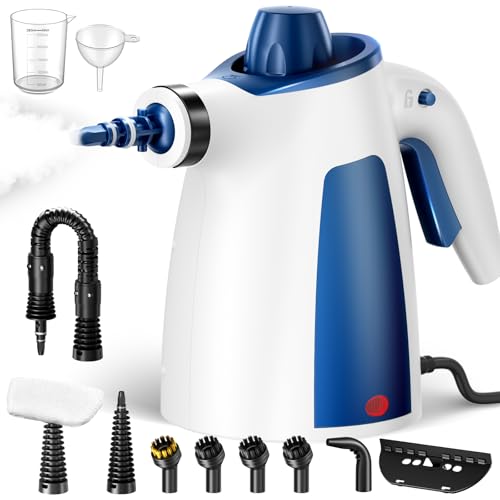
- Handheld steam cleaner for shower tiles
- Steam cleaner for bathroom tiles grout
- Tile cleaning steam mop for shower tiles
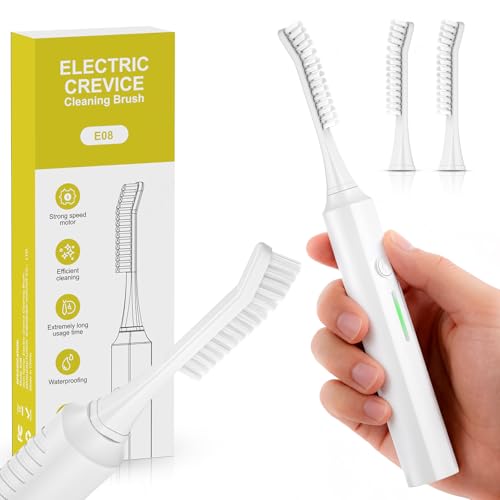
- Electric grout cleaner with rotating head for bathroom
- Microfiber cloths or pads
- Protective gloves
- Spray bottle with distilled water (optional)
- Ventilation fan or open window for humidity control

Before You Start
Prepare the area by removing personal items and ensuring good ventilation. Read the user manuals for any tools before use, especially regarding heat settings and compatible tile types. Wear protective gloves to shield hands from heat and any cleaning residues. Allow the room to dry after cleaning to prevent new mildew growth. Time investment varies, but most steam-based cleanings take 20–40 minutes for a standard shower. Never direct steam at electrical outlets or outlets near water.
Step-By-Step: How To Clean Shower Tiles Without Scrubbing
- Fill the steam cleaner with distilled water if required by the model and power it on to preheat.
- Begin at the topmost tile row and slowly hover the steam nozzle over grout lines, letting the heat loosen soap scum.
- Move in a steady, overlapping pattern to cover all tiles, focusing on corners where grime collects.
- For stubborn grout, switch to the electric grout cleaner with rotating head and gently guide it along the grout to scrub without harsh scrubbing motion.
- Wipe each cleaned area with a microfiber cloth to remove loosened buildup and prevent water streaks.
- Repeat on all shower walls and the floor as needed, ensuring even coverage and drying time between sections.
- For very tough stains, a second pass with steam and a fresh cloth can improve results without aggressive scrubbing.
- Rinse the surface with plain water if your cleaning tool leaves residue, then dry with a towel or squeegee to minimize new mildew formation.
- Finish by inspecting caulk lines; if any discoloration remains, treat with a targeted steam pass and cloth wipe.
- Store tools safely in a dry area after use and allow the shower to air out thoroughly before reusing.
Troubleshooting
| Symptom | Likely Cause | Fix | Prevention |
|---|---|---|---|
| Residue remains after cleaning | Hard water minerals or product buildup | Wipe with microfiber and repeat steam pass; consider a light vinegar wipe if compatible with tools | Regular cleaning to prevent buildup |
| Tile seems dull after steaming | Steam exposure didn’t remove all grime | Use rotating-head grout cleaner on grout lines, then wipe | Periodic deep clean cycles |
| Steam tool overheats | Extended continuous use | Pause to cool, check water level, avoid blocking vents | Follow manufacturer run-time guidance |
| Excess moisture lingering | Poor ventilation | Open a window or use a fan; wipe surfaces after cleaning | Keep bathroom ventilated during and after cleaning |
Common Mistakes
- Relying solely on scrubbing pads instead of steam for groutlines
- Using high heat on delicate tile finishes or sealed surfaces not rated for steam
- Over-wetting the area or leaving water pooled on shelves or caulk
- Ignoring safety instructions about electrical equipment near water
- Not allowing adequate drying time between cleaning passes
Tips For Best Results
- Test steam on a small inconspicuous area before full treatment to ensure tile and grout compatibility.
- Work methodically in sections to maintain heat and maximize cleaning efficiency.
- Use distilled water in steam cleaners to minimize mineral deposits on tile surfaces.
- Pair steam cleaning with a quick microfiber wipe to capture loosened grime and prevent residue.
- Choose models with rotating grout-cleaning heads for faster grout maintenance.
- Regular maintenance every few weeks can reduce the need for deep clean sessions.
Call A Professional
Consider contacting a pro if you notice persistent mold growth inside wall cavities, cracked tiles, or significant grout deterioration that steam cannot safely restore. Stop using steam around old or damaged caulk and if the grout shows extensive cracking or crumbling, professional renovation may be required to prevent water damage behind walls.
FAQ
Can steam cleaners damage grout?
Yes, excessive heat or improper angle can erode grout over time. Use per-manufacturer guidelines and avoid direct, prolonged application on grout without the appropriate cleaning head.
Are steam cleaners safe for tile floors?
Generally, yes, but verify tile material and sealant compatibility. Some natural stones or unglazed tiles may react to heat; test first.
How often should I steam clean shower tiles?
For high-traffic showers, a monthly steam clean is common, with more frequent maintenance for visible grime or mildew.
Do I need any cleaners with a steam clean?
Most steam-only methods work; however, a light spray of distilled water or mild, tile-safe solution can help with tough spots when used per tool guidelines.
Can I use steam on cement grout?
Yes, many steam cleaners work well on cementitious grout, but avoid overly porous or damaged grout surfaces and follow product recommendations.
Is steam cleaning more effective than scrubbing?
Steam often loosens grime and reduces manual effort, but results depend on grout condition and buildup. In some cases, a combination approach yields best results.
What about mold inside the grout lines?
Steam can kill surface mold but may not eradicate deeply rooted mold. If mold recurs frequently, consult a professional for remediation and resealing of grout lines.
Buying Guide
Choosing the right tools for cleaning shower tiles without scrubbing involves evaluating several factors. Size and weight matter for comfortable handheld use, especially in tight shower spaces. Noise level can influence where you use the device, such as shared bathrooms or early mornings. Energy efficiency helps keep ongoing costs reasonable, particularly for frequent cleanings. Look for adjustable steam intensity and a rotating head for grout, which increases effectiveness on stubborn areas. Consider placement and storage—compact models fit more easily into a bathroom cabinet. For best results, pick a system designed specifically for bathroom tile cleaning with clear safety instructions and accessible replacement parts.