Living with pets means dealing with occasional accidents. Vinyl flooring is durable but smells from cat urine can linger if not treated properly. This guide provides practical, kitchen-to-garage steps using common products to restore a fresh, clean vinyl surface.
Quick Answer
Act fast after an accident to reduce odor. Blot, rinse, and use an enzymatic cleaner designed for pet urine on vinyl floors. For stubborn smells, repeat with a steam mop or a dedicated odor eliminator spray. Always vent the area and dry the floor completely to prevent lingering odors.
What You’ll Need
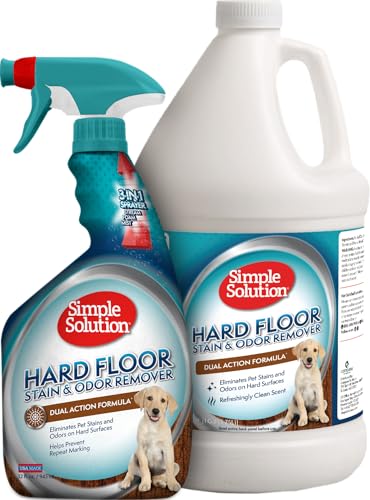
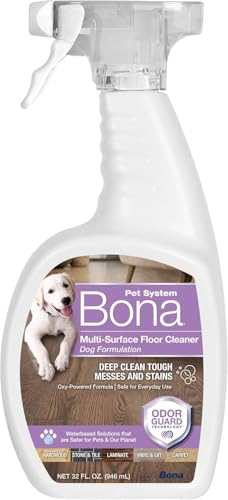
- Enzyme cleaner for pet urine vinyl floor 32 oz
- Pet urine odor eliminator spray vinyl floor
- Vinyl floor cleaner enzymatic formula pet stain remover
- Steam mop for pet urine vinyl flooring
- Scrub brush stiff bristles vinyl floor pet urine stain remover

Before You Start
Prepare the area by removing furniture and placing towels or old sheets to protect nearby items. Wear gloves to minimize contact with urine and cleaning products. Avoid ammonia-based cleaners as they can intensify urine odors. Close windows or use a fan to improve ventilation. Time estimate: 20–60 minutes for the initial cleaning, plus potential follow-up sessions for deep odor removal.
Step-By-Step: How To Remove Cat Pee Smell From Vinyl Floor
- Blot the area with a paper towel or cloth to absorb as much liquid as possible without rubbing it into the vinyl.
- Rinse the spot with clean water and blot again to dilute any remaining urine residue.
- Apply an enzyme cleaner for pet urine vinyl floor 32 oz directly to the affected area and let it sit per the product label to break down organic compounds.
- Gently scrub with a scrub brush stiff bristles vinyl floor pet urine stain remover to lift dried residues if needed.
- Wipe away any loosened material, then rinse with clean water and blot dry.
- Spray a pet urine odor eliminator spray vinyl floor over the area to neutralize remaining odors.
- Use a steam mop for pet urine vinyl flooring to help extract moisture and residual odor particles from the surface, following the device’s safety guidelines for vinyl.
- Allow the floor to air dry completely; re-check for any lingering smell after 24 hours and re-treat if necessary.
- If odors persist, repeat the enzymatic treatment and consider applying a protective vinyl-friendly sealant or cleaner designed for pets.
Troubleshooting
| Symptom | Likely Cause | Fix | Prevention |
|---|---|---|---|
| Lingering urine odor after cleaning | Insufficient enzyme exposure or spread beyond spill area | Reapply enzyme cleaner and extend coverage to adjacent grout lines and seams | Address spills immediately; place washable mats near litter areas |
| Discoloration on vinyl | Harsh cleaners or overly aggressive scrubbing | Switch to a vinyl-safe enzymatic cleaner and use gentle scrubbing | Spot-test cleaners on a hidden area first |
| Floor feels sticky after cleaning | Residual cleaner left on surface | Rinse thoroughly with clean water and blot dry | Wipe with a damp microfiber cloth after treatment |
| Odor returns after a day | Deep padding or subfloor contamination | Consult a professional for deeper extraction | Address spills promptly; consider sealant options for vinyl floors |
Common Mistakes
- Using ammonia-based cleaners, which can intensify pet odors
- Rubbing urine into the floor instead of blotting and lifting
- Relying on water alone without enzymatic treatment for organic stains
- Over-wetting the vinyl, which can seep into seams and edges
Tips For Best Results
- Test cleaners on a small, inconspicuous area of the vinyl before full use.
- Work from the outside of the spill toward the center to prevent spreading.
- Ventilate the room during and after cleaning to speed drying and odor removal.
- For frequent accidents, consider placing a washable rug or mat at the litter box and entry points.
- Store enzyme cleaners in a cool, dry place and replace them if they lose effectiveness.
Call A Professional
Seek professional help if the odor persists after repeated enzymatic treatments, especially when the vinyl underlayment or subfloor shows signs of moisture damage. Signs to call a pro include persistent smells after 72 hours, visible staining that does not respond to standard cleaners, or extensive staining across large areas. A specialist can assess whether subfloor remediation or sealing is needed.
FAQ
What neutralizes cat urine odor on vinyl floors?
Enzymatic cleaners designed for pet urine break down organic compounds and help neutralize odors effectively.
Can I use steam cleaning on vinyl floors with pet urine?
Yes, a steam mop can help extract moisture and odor, but follow manufacturer guidelines to avoid warping or damage to vinyl seams.
Is it safe to use fragrance sprays on vinyl floors after cleaning?
Use pet-safe odor eliminators and avoid heavy fragrances that may irritate pets or mask underlying issues.
How long should I wait between cleaning attempts?
Allow the floor to dry completely and assess odor within 24 hours before repeating treatments.
Should I replace the vinyl if odors keep returning?
If odors persist despite multiple cleanings and there is subfloor contamination, consider consulting a professional to evaluate remediation or replacement options.
Buying Guide
Choosing the right products and setup for cat urine on vinyl floors involves several factors. Size matters if you’re covering a large area or multiple rooms. Noise level and energy efficiency are considerations for steam mops or powered cleaners used in homes with pets and children. Controls should be simple and intuitive, especially for quick spill responses. Placement ideas include near litter boxes, doorways, and pet-accessible zones to minimize accidents. When evaluating options, compare:
- Size and capacity of cleaners and enzyme bottles to match room size and frequency of incidents.
- Enzymatic effectiveness and coverage area per bottle for fast odor neutralization.
- Footprint and maneuverability for tight spaces like bathrooms or small kitchens.
- Safety certifications and pet-friendly ingredients to protect household health.
- Ease of maintenance for brushes, pads, and steam mops to keep routines simple.
For a tailored plan, consider combining an enzymatic cleaner, a dedicated odor eliminator spray, and a steam mop for periodic refreshes. If your space hosts multiple pets or experiences frequent accidents, a routine that integrates quick blotting, immediate enzymatic treatment, and scheduled deep cleans can help maintain a fresh vinyl floor without heavy odor buildup.