Well water sediment can affect taste, reduce flow, and damage appliances. This guide provides practical, step-by-step instructions to reduce sediment using common filtration options and testing to tailor a solution for American households.
Understanding your water quality and choosing the right pre-filter setup helps protect your plumbing and ensure cleaner water for everyday use. The methods below focus on accessible equipment and safe installation practices.
Quick Answer
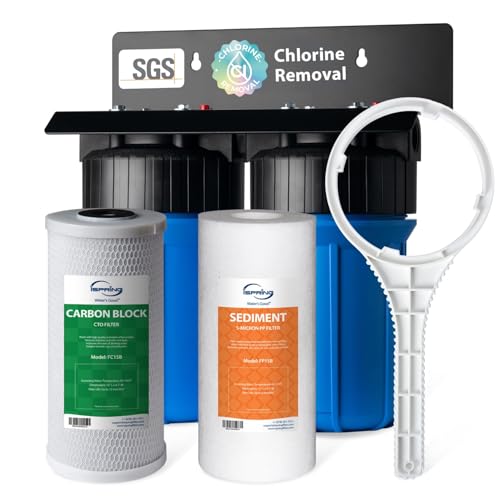
Install a sediment pre-filter system at the main water entry, pair a suitable 5 micron sediment filter cartridge for well water with a 10 inch sediment filter housing for well water, and run a well water sediment test kit to confirm sediment levels and cartridge life. If sediment is persistent, consider a whole house well water filtration system with sediment pre-filter for ongoing protection.
What You’ll Need
- 10 inch sediment filter housing for well water
- 5 micron sediment filter cartridge for well water
- whole house well water filtration system with sediment pre-filter
- well water sediment test kit
- well water pre-filter with housing for sediment removal


Before You Start
Before any installation, inspect the main water shutoff and have basic plumbing tools on hand. Ensure the work area is dry and well-ventilated. Read product manuals for each component and confirm compatibility with existing piping. Turn off water supply and relieve pressure before handling filters or housings. Expect basic installation to take a few hours, plus time for testing after setup.
Safety note: if you are unsure about plumbing modifications, contact a licensed professional. Sediment commonly originates from rusty pipes, well casing, or groundwater movement, so a test helps identify the best filtration approach.
Step-By-Step: How To Reduce Sediment In Well Water
- Shut off the main water supply and relieve pressure in the system.
- Locate the main entry point where well water enters the home and plan placement for a sediment pre-filter with housing.
- Install the 10 inch sediment filter housing for well water in a accessible location near the main line.
- Remove the protective cover and install a 5 micron sediment filter cartridge for well water into the housing, ensuring a snug seal.
- Connect the inlet and outlet fittings, ensuring the flow direction aligns with arrows on the filter housing.
- Turn on the water supply slowly and check for leaks around fittings and seals.
- Run water for several minutes to flush out any loose carbon fines and to prime the filter.
- Optional: install a well water pre-filter with housing for sediment removal in series if sediment levels are high.
- Test the water with a well water sediment test kit to verify sediment reduction and adjust cartridge changes accordingly.
- Record filter change dates and monitor water clarity over the next weeks; replace cartridges when performance drops or after recommended intervals.
- Consider upgrading to a whole house well water filtration system with sediment pre-filter for comprehensive protection if sediment recurs.
- Schedule periodic professional inspections to verify well integrity and filtration effectiveness.
Troubleshooting
| Symptom | Likely Cause | Fix | Prevention |
|---|---|---|---|
| Water appears cloudy after installation | New cartridge not flushed; air in lines | Flush system for several minutes; bleed air | Follow flushing steps in manual; pre-wet cartridges |
| Low water pressure | Filtration too restrictive or cartridge clogged | Replace cartridge; check housing for leaks | Use correct micron rating; avoid oversized restrictors |
| Sediment reappears after a few weeks | Source sediment from well or piping; pre-filter insufficient | Upgrade to whole house filtration or add pre-filter stage | Schedule well inspection and water testing |
| Leaks at fittings | Improperly tightened connections | Re-tighten fittings; use appropriate sealant or Teflon tape | Use correct torque; install shutoff valves for service |
Common Mistakes
- Choosing a filter with too high a micron rating for initial sediment control
- Not flushing new cartridges before returning water to service
- Installing filters in cold areas without frost protection
- Overlooking the need for a testing plan to track sediment sources
Failing to isolate and test can lead to recurring sediment issues. Always align filtration with actual water quality data.
Tips For Best Results
- Match the filtration stage to sediment size identified by your test kit; start with 5 microns for typical residential wells.
- Place the sediment pre-filter as close to the point of entry as possible to protect appliances and plumbing.
- Label cartridges with installation dates to manage replacement intervals effectively.
- Regularly inspect the well cap, seals, and piping for signs of intrusion or damage.
- Combine a sediment pre-filter with a whole-house filtration system for durable performance.
Call A Professional
Consult a licensed plumber or well water specialist if you notice persistent sediment, changes in water taste or odor, or if there are leaks that you cannot safely resolve. Signs to seek help include continuous low water pressure, persistent sediment despite filtration, or unclear where sediment originates.
FAQ
What causes sediment in well water?
Common causes include corroded pipes, worn well screens, and groundwater movement introducing fine particles into the supply.
How often should I replace a sediment filter in a well system?
Replacement intervals depend on water quality and usage; test results and manufacturer guidelines indicate when to replace.
Can I install filtration myself, or do I need a professional?
Many homeowners can install basic sediment filters, but a professional should handle complex changes or if well components require modification.
Will a test kit tell me the exact cause of sediment?
A test kit indicates sediment levels and general contaminants, guiding filtration decisions but may not pinpoint the root source without a professional assessment.
Buying Guide
Choosing the right filtration setup involves several factors. Consider the size of your home and water usage to determine filter housing capacity and flow rate. Noise levels are generally low for inline housings, but be mindful of adjacent living spaces. Energy efficiency matters if you have circulation pumps or pressure systems; standard passive filtration typically has minimal energy use. Controls should be straightforward, with clear indicators for filter life and easy access for replacements. Placement should be near the main water entry, with room for maintenance and venting. Compare configurations like a simple sediment pre-filter versus a full system with multiple stages, and assess whether a dedicated well water sediment test kit informs your choice. If unsure, a professional assessment can help tailor a solution that minimizes maintenance while maximizing filtration effectiveness.