Vinegar is a versatile, budget-friendly cleaner used in homes across the United States. When mixed correctly and properly ventilated, it can tackle grime, mineral deposits, and odors without leaving a strong scent. This guide details a practical, step-by-step approach to cleaning with vinegar while minimizing or eliminating the familiar smell.
By following the steps and using the right tools, homeowners can achieve streak-free surfaces and fresh results without harsh chemical odors. The focus is on safe prep, precise mixing, and efficient application using common household items designed for vinegar-based cleaning.
Quick Answer
Prepare a mild vinegar cleaner, use a dedicated spray bottle with adjustable nozzle, apply it to surfaces, wipe with microfiber cloths, and ensure good ventilation. For stronger smells, add a small amount of essential oil or citrus zest to the mixture and rinse surfaces with water where needed.
What You’ll Need
- 32 oz glass spray bottle for vinegar cleaning
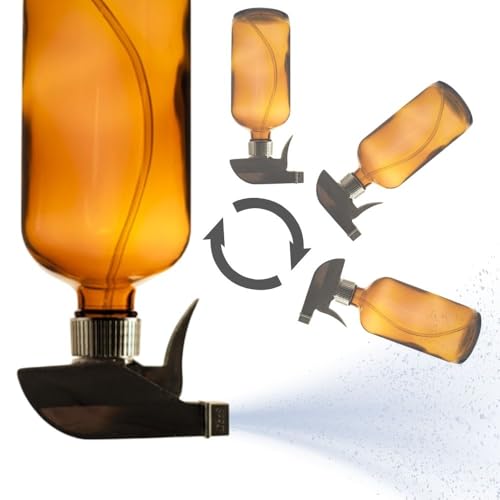
- reusable spray bottle with adjustable nozzle for vinegar
- streak-free spray bottle for vinegar-based cleaner
- microfiber cleaning cloths for vinegar cleaning
- funnel and measuring cup set for mixing vinegar cleaner


Before You Start
Choose a well-ventilated area and remove or cover items that could be damaged by vinegar. Label the container clearly to avoid accidental misuse. Typical surface contact time is brief, but allow air to circulate for odor dissipation. Time estimates vary by room but plan for about 15–30 minutes per area. Do not mix vinegar with chlorine bleach or ammonia, as dangerous fumes can form. Always test on a small inconspicuous area first to prevent damage.
Step-By-Step: How To Clean With Vinegar Without The Smell
- Assemble tools: Fill a glass spray bottle for vinegar cleaning with a 1:1 mixture of distilled white vinegar and water for general cleaning, or a more diluted mix for delicate surfaces.
- Prepare the workspace: Lay down towels or mats in high-traffic areas and ensure windows are open or a fan is running for ventilation.
- Fill the measuring cup and funnel: If you need exact ratios for specific surfaces, measure vinegar and water separately and combine in the bottle using the funnel.
- Add optional scent control: If you prefer a milder scent, add a few drops of a compatible essential oil (e.g., lemon) or a small citrus peels infusion to the bottle. Shake gently to mix.
- Store and label: Clearly label the spray bottle with the solution and its intended uses to prevent cross-contamination or misuse.
- Apply to surfaces: Spray lightly on counters, glass, tiles, or chrome. Avoid soaking porous materials like wood unfinished surfaces.
- Wipe and dry: Use microfiber cloths to wipe in a circular motion and then dry the surface to prevent streaks.
- Rinse when needed: For particularly sticky or greasy areas, rinse with plain water and wipe dry with a clean cloth.
- Target tough spots: For hard-water stains, let the vinegar solution sit for 3–5 minutes before scrubbing with a microfiber cloth.
- Maintain consistency: Keep tools separate for different rooms to minimize odor carryover and keep cleaning routines efficient.
- Ventilate after use: Open windows or run a fan for a few minutes after cleaning to expedite odor dissipation.
- Store properly: Rinse out spray bottles occasionally and replace vinegar solutions every few weeks for best results.
Troubleshooting
| Symptom | Likely Cause | Fix | Prevention |
|---|---|---|---|
| Distinct vinegar smell lingers | Strong solution or insufficient ventilation | Increase ventilation and dilute solution slightly; add gentle scent | Ventilate during and after cleaning; avoid over-concentrating vinegar |
| Streaks on glass or stainless steel | Residue left from cloth or spray application | Use a microfiber cloth dry after wiping; wipe in one direction | Ensure cloths are clean and free of lint |
| Surface discoloration on wood or stone | Vinegar contact on porous or sensitive materials | Avoid vinegar on unsealed wood; use water-only rinse on sensitive surfaces | Test first on hidden area; use dilution for delicate surfaces |
| Spray bottle leaks or drips | Seals or nozzle issues | Inspect and replace nozzle or tighten cap | Regularly maintain spray components |
Common Mistakes
- Using vinegar in place of specialized cleaners on delicate finishes.
- Spraying large amounts without allowing adequate ventilation.
- Mixing vinegar with bleach or ammonia, which creates dangerous gases.
- Ignoring surface testing on unfamiliar materials.
Tips For Best Results
- Use a dedicated spray bottle for vinegar to prevent cross-contamination with other cleaners.
- Choose a streak-free spray bottle to minimize missed spots on glass and chrome surfaces.
- Keep microfiber cloths clean and free of fabric softeners for optimal pickup of grime.
- Consider a mild essential oil to dampen the vinegar scent while maintaining cleaning power.
- Match the dilution to the task: lighter for glass and counters, stronger for soap scum and mineral deposits.
Call A Professional
Seek professional help if surfaces show sustained discoloration, risk of corrosion, or if heavy mineral buildup persists after repeated cleaning. Contact a pro for tricky tasks like concrete sealing, stone restoration, or when cleaning antique finishes where vinegar could cause damage.
FAQ
Can I use plain water instead of vinegar?
Water alone can remove some grime, but vinegar adds antimicrobial properties and helps cut through mineral deposits.
Is the smell harmful?
Vinegar odor is generally safe and dissipates quickly with ventilation, though strong concentrations can be unpleasant.
How long should the cleaner sit on tough stains?
Many stains respond well to a brief dwell time of 3–5 minutes before wiping, longer for stubborn buildup.
Can I reuse the same spray bottle for multiple cleaners?
It’s best to dedicate bottles to vinegar-based cleaners to avoid cross-contamination and odor transfer.
What surfaces should I avoid with vinegar?
Avoid unsealed wood, natural stone, and porous materials that may react to acetic acid.
Does adding essential oils affect cleaning power?
Essential oils don’t boost cleaning strength but can make the scent more pleasant and mask vinegar odors.
How should I dispose of leftover vinegar solution?
Dispose of small amounts with household waste; do not pour large quantities into drains if local guidelines discourage it.
Buying Guide
When selecting tools and supplies for vinegar-based cleaning, consider size, durability, and compatibility with the home’s cleaning routine. A 32 oz glass spray bottle is a common choice for easy mixing and clear visibility of the solution. For bottles, prioritize adjustable nozzles to customize spray patterns for different surfaces and tasks. A streak-free bottle helps reduce cleanup time on glass and mirrors. Keep microfiber cloths on hand for lint-free wiping, and a funnel and measuring cup set ensures accurate mixing, especially when crafting multi-surface cleaners. Finally, ensure the bottles are BPA-free and designed for acidic cleaners to avoid degradation over time.