Pileated woodpeckers can cause damage to siding, trim, and wooden structures when they search for insects. This guide provides practical, humane strategies to deter them while protecting your property. A combination of physical barriers, deterrents, and area management is often most effective.
The approach blends prevention with targeted deterrents so homeowners in the United States can address infestations thoughtfully and safely.
Quick Answer
Use a layered approach combining physical barriers, reflective deterrents, and motion-activated scare devices. Start with netting and spikes for structural protection, add reflective tape, and deploy a sprinkler or ultrasonic system as needed. Regular monitoring and maintenance maximize long-term success.
What You’ll Need
- Stainless steel bird spikes for woodpecker deterrent exterior 1-inch spikes
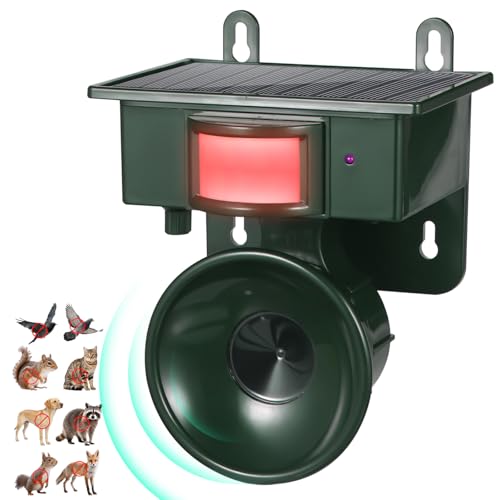
- Ultrasonic outdoor bird repeller for woodpeckers 20-50 ft range
- Reflective aluminum foil bird scare tape for woodpecker deterring outdoor
- Motion-activated outdoor sprinkler deterrent for woodpeckers
- Exterior bird netting 2-inch mesh for woodpecker prevention on siding


Before You Start
Assess the infestation area: note active cavities, perches, and access points. Clear debris that may attract insects and reduce hiding spots. Inspect for structural damage and plan repairs before deterrents are installed. Time estimate: 1–4 hours for setup, plus ongoing adjustments. Safety notes: work from stable ladders, wear eye protection, and avoid volatile solvents near nets and netting. If birds are nesting, consider delaying installation until fledglings have left the nest.
Step-By-Step: How To Deter Pileated Woodpeckers
- Survey the building envelope: identify all vulnerable siding areas, eaves, and holes worth protecting. Mark the zones where deterrents will be installed.
- Install bird netting over exposed siding: unroll and trim exterior bird netting to cover targeted sections, securing edges with staples or clips so birds cannot reach behind the net.
- Apply 1-inch spike strips at risk perches: place stainless steel bird spikes along narrow ledges and edges where woodpeckers habitually roost, ensuring spikes sit firmly and do not overhang gaps.
- Add reflective deterrents: affix reflective aluminum tape or scare tape to exposed areas where birds approach. Ensure the tape moves with wind to maximize glare.
- Position motion-activated sprinklers: install sprinklers at a distance from the area of concern. Calibrate sensitivity so that it triggers only when birds approach, avoiding false activations.
- Deploy ultrasonic repellers as a secondary layer: place units within line of sight of the targeted zone, aiming them to cover 20–50 ft without obstructing human use areas.
- Regularly inspect and adjust: check all deterrents monthly for wear, reposition sensors, and replace any damaged netting or spikes.
- Combine deterrents with environment management: reduce attractants by trimming insect-prone trees and sealing entry holes to nests when safe to do so.
Troubleshooting
| Symptom | Likely Cause | Fix | Prevention |
|---|---|---|---|
| Woodpeckers return after deterrence | Deterrents not covering all access points | Extend coverage; add more spikes or netting | Regular inspections and comprehensive zoning |
| Deterrents stop working | Deterrents worn or misaligned | Repair/realign; replace worn components | Schedule maintenance every season |
| Holes or cavities persist | New nesting sites found | Seal entry points with appropriate materials | Continuous monitoring of vulnerable areas |
| False alarms with sprinklers | Overly sensitive sensors | Recalibrate sensitivity or relocate units | Test before peak activity times |
Common Mistakes
- Relying on a single deterrent like tape or spikes alone
- Installing deterrents too late after significant damage occurs
- Failing to maintain or replace worn components
- Blocking vents or interfering with building drainage when mounting devices
Balanced use of multiple, well-maintained deterrents reduces the chance of woodpeckers adapting to one method.
Tips For Best Results
- Space deterrents for even coverage along the entire vulnerable boundary.
- Rotate deterrent types seasonally to prevent habituation.
- Pair netting with spikes for layered protection on long eaves.
- Keep pets and children away from active deterrents during installation.
Call A Professional
Contact a wildlife control professional if woodpeckers continue to nest or breach barriers despite multiple deterrents. Stop signs include persistent nesting in attic spaces, repeated damage after months of deterrence, or any signs of structural compromise. A pro can assess legal considerations, humane options, and provide solutions tailored to your home.
FAQ
Are woodpeckers protected by law in the United States?
Yes, many woodpecker species are protected under wildlife laws. Do not harm birds; focus on humane deterrents and legal guidelines for removal or nesting management.
Will netting damage the siding?
When installed correctly with appropriate fasteners and slack, exterior bird netting minimizes damage and prevents entry without scuffing surfaces.
How long do deterrents take to work?
Results vary by area, but most homeowners notice reduced activity within a few weeks of comprehensive deployment.
Can I use multiple deterrents at once?
Yes, combining barriers, reflective tapes, sprinklers, and ultrasonic devices is often more effective than any single method.
What maintenance is required?
Regular inspections, cleaning debris, and replacing worn materials keep deterrents functional and effective.
Is there a seasonal best practice?
Yes, re-evaluate placement before breeding seasons and after heavy weather to ensure optimal coverage.
What if damage remains after all steps?
Consult a professional to reassess entry points, potential nesting sites, and overall property risk factors.
Buying Guide
Choosing deterrents involves several factors that affect effectiveness and ease of use. Consider the following as you compare options:
- Size and coverage: Select netting and spikes that align with the width and height of vulnerable siding or eaves. Larger homes may need multiple units.
- Noise and motion sensitivity: Ultrasonic devices and sprinklers vary in range and sensitivity. Look for adjustable settings to fit your yard size.
- Energy efficiency: Solar-powered units reduce electricity needs for deterrents that run frequently, like sprinklers and lights.
- Controls and ease of use: Simple mounting, weather-resistant casing, and intuitive controls save time and effort.
- Placement flexibility: Deterrents should be easy to relocate as the woodpeckers’ perching patterns change or as landscaping evolves.
- Material durability: Stainless steel spikes and UV-resistant tapes withstand weather and maintain effectiveness over time.
- Non-target impact: Choose humane options and avoid devices that could harm pets, humans, or non-target wildlife.
Combination packages that include spikes, netting, and deterrent devices often provide the best value. Plan to install products in stages if addressing a large facade, and budget time for regular maintenance. If the goal is to protect wood siding from ongoing pecking, a layered system tailored to your home’s layout offers the most reliable results.