Stained pavers can’s curb appeal with oil, rust, or outdoor grime. This guide explains practical, safe methods for American homes using common tools and specialty cleaners. By following a clear process, homeowners can restore paver color and protect surfaces for years to come.
The focus is on concrete and stone pavers, which respond well to a combination of mechanical cleaning, chemical cleaners, and protective sealing. The steps below emphasize using the right products and proper technique to minimize damage to adjacent surfaces and prevent slips or staining during the cleaning process.
Quick Answer
Best overall approach: Pre-wet the area, apply a suitable cleaner, scrub with a stiff brush, rinse thoroughly, and repeat for stubborn stains. For oil and rust, use a dedicated stain remover or enzyme-based cleaner, then consider sealing after drying to lock in the results.
What You’ll Need
- Gas pressure washer 2000-2800 psi for cleaning concrete pavers
- Paver cleaner concentrate for oil and rust stains outdoor stones
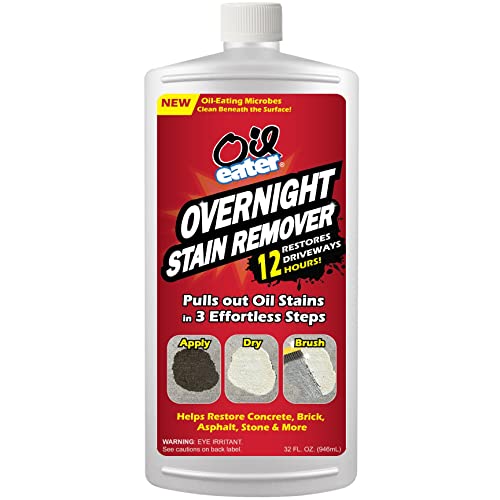
- Enzyme-based stain remover for concrete driveway pavers
- Stain remover spray for pavers rust oil concrete
- Paver sealing sealer acrylic concrete patio 5 gallon
- Stiff nylon brushes or a deck brush
- Concrete-safe scrub pads
- Protective gloves and eye protection
- Plastic sheets or tarps to cover nearby plants and surfaces

Before You Start
Assess the stain types you’re dealing with: oil, rust, organic dirt, or mildew. Test a small, inconspicuous area on a single paver before full use of cleaners to ensure no discoloration. Clear the work area of furniture and outdoor decorations, and protect plants with tarps. Work in shade if possible to avoid rapid drying that can set stains. Allow the surface to dry completely before sealing.
Safety notes: read cleaner labels, wear gloves and eye protection, and keep all cleaners away from children and pets. Keep a garden hose or spill kit handy for washing away runoff. Plan for a few hours of downtime, especially if multiple cleaning passes are needed.
Step-By-Step: How To Clean Stained Pavers
- Rinse the surface with a light spray to remove loose dirt and debris.
- Apply the gas pressure washer 2000-2800 psi for cleaning concrete pavers to lift embedded grime, using a wide fan nozzle and maintaining a steady distance from the surface.
- Spray the stain-specific cleaners where stains are visible, starting with the paver cleaner concentrate for oil and rust stains outdoor stones.
- Scrub stubborn areas with a stiff nylon brush or scrub pad to loosen deeply embedded stains.
- For organic stains or heavy grime, apply the enzyme-based stain remover for concrete driveway pavers and allow it to react as directed on the label.
- Rinse thoroughly. Repeat the cleaning cycle on persistent stains, using the appropriate products in sequence (oil/rust cleaner, enzyme-based treatment, and then a final rinse).
- Dry the area completely and inspect. If color is uneven, perform a light re-wash and dry again before sealing.
- Apply a paver sealing sealer acrylic concrete patio 5 gallon after surface is fully dry to protect against future staining and weathering.
- Reopen the area once the sealer is fully cured according to the manufacturer’s instructions, usually after 24–72 hours.
- Keep traffic away from newly treated pavers and avoid power washing directly on the sealer until it fully cures.
- Store leftover cleaner for future maintenance and label it clearly for next cleaning cycle.
- Establish a routine maintenance plan: rinse after heavy spills and perform a light clean every 6–12 months to maintain color and resilience.
Troubleshooting
| Symptom | Likely Cause | Fix | Prevention |
|---|---|---|---|
| Stains persist after cleaning | Deep-set oil or rust | Reapply oil/rust cleaner and scrub; consider enzyme-based remover | Address spills promptly; use protective mats |
| Discoloration after cleaners | Product reaction with paver finish | Rinse thoroughly; test on small area before full application | Test patches first; choose cleaner compatible with pavers |
| Sealer not adhering | Surface not completely dry or dirty | Wait until fully dry; clean lightly and reapply | Allow adequate curing time; prep with a clean surface |
| Streaks or water spots | Uneven application or rapid drying | Apply evenly in shaded conditions; keep surface damp during cleaning | Work in sections; maintain consistent technique |
Common Mistakes
- Using household cleaners not meant for concrete pavers, which can cause staining or etching
- Over-wetting with water-based cleaners that pool and leave marks
- Neglecting to protect surrounding plants and landscaping from chemical runoff
- Skipping a test patch, leading to unexpected color changes
- Sealing before the surface is fully dry, causing poor adhesion
Tips For Best Results
- Work with the grain of the pavers when scrubbing to avoid streaks and gouges
- Use a fan-pattern spray with the pressure washer to prevent etching on joints
- For outdoor stone pavers with oil stains, the paver cleaner concentrate for oil and rust stains outdoor stones can help penetrate embedded residues
- Always perform a thorough rinse after cleaning to prevent residue that could attract dirt
- Allow ample drying time before sealing to ensure the sealer bonds properly
- Maintain a routine: an annual cleaning and resealing keeps pavers looking new longer
Call A Professional
Consider a professional if stains are extremely stubborn, if pavers show signs of structural damage, or if the project involves large areas or delicate stone types. Stop signs include cracks widening during cleaning, efflorescence that worsens with water, or if you notice sealant piling or peeling after the first attempt. A pro can assess substrate conditions, select appropriate cleaners, and apply sealers with correct coverage and cure times.
FAQ
Can I use a regular garden hose to clean stains on pavers?
A garden hose is suitable for pre-wetting and rinsing, but for heavy staining a pressure washer in the 2000–2800 psi range often yields better results.
Is enzyme-based cleaner safe for all paver types?
Enzyme cleaners are generally safe for concrete and stone, but always test on a small area and follow product directions for your specific paver type.
How long should I wait after sealing the pavers?
Wait for complete cure as per the sealer label, typically 24–72 hours, before exposing to foot traffic or weather exposure.
Will cleaning and sealing restore color on faded pavers?
Yes, cleaning removes surface grime and sealing helps protect color; for deeper color restoration, consider a cleaner designed for color-enhancing results and a compatible sealer.
What maintenance schedule works best for pavers?
Plan a light clean every 6–12 months and reseal every 2–5 years depending on traffic, weather, and stain exposure.
Buying Guide
Choosing the right products for cleaning and protecting pavers depends on several factors. Consider the stain types you most often encounter (oil, rust, organic dirt) and the surface material of your pavers (concrete or natural stone). For heavy staining, a gas pressure washer 2000-2800 psi paired with a paver cleaner concentrate for oil and rust stains outdoor stones provides robust cleaning power. An enzyme-based stain remover helps with organic and deep-set stains without harsh chemicals. After cleaning, applying a paver sealing sealer acrylic concrete patio 5 gallon offers protection against future spills and weathering.
Size matters: choose a sealer quantity suitable for the area, aiming for uniform coverage. Noise level and energy usage are considerations for owners with adjacent living spaces or multi-story homes; select equipment and cleaners with low odor and compliant labeling. Controls should be straightforward, allowing precise application without overspray. Placement and storage matter too—keep cleaners in a cool, dry location away from direct sunlight and pets.
Compare options by stain compatibility, contact time, cure time, and maintenance requirements. If the project spans a large area or includes delicate pavers, professional assistance may ensure even results and durable sealing. A well-planned approach combines powerful cleaners, careful application, and a protective sealer to keep outdoor pavers clean, safe, and visually appealing for years to come.