Metal door handles are high-touch surfaces that attract oils, fingerprints, and grime. With routine care, you can restore shine, extend the life of finishes, and keep hardware sanitary in homes and offices. This guide delivers practical steps, tools, and safety tips to clean metal door handles made of stainless steel, brass, and other common alloys.
From selecting the right cleaners to choosing the best cloths and brushes, the approach emphasizes non-abrasive methods that preserve finish while removing dirt, grime, and residue. The process is straightforward and suitable for DIY maintenance in busy environments.
Quick Answer
Use a dedicated stainless steel door handle cleaner spray, follow with a microfiber cloth, and spot-treat with a non-abrasive stainless steel metal polish if needed. For textured or brass finishes, use a soft bristle brush and a gentle, non-abrasive cleaner. Always dry surfaces after cleaning to prevent water spots and corrosion.
What You’ll Need
- Stainless steel door handle cleaner spray 12 oz
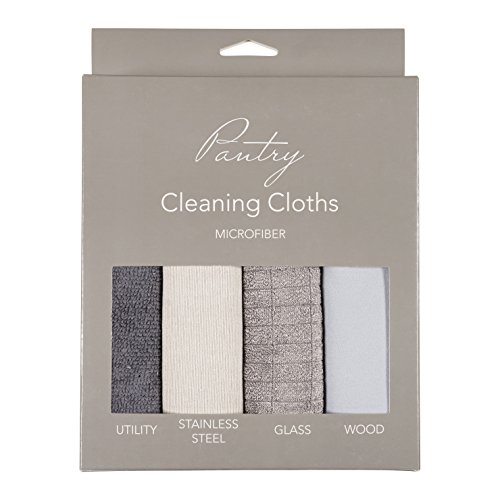
- Microfiber cloth set for metal surfaces door handles
- Non-abrasive stainless steel metal polish for hardware
- Door hardware cleaning kit stainless steel brass
- Soft bristle brush for cleaning metal door handles


Before You Start
Clear the area around the door handle and protect nearby surfaces with a soft cloth. If the handle is part of an electronic or smart lock assembly, avoid excess moisture and use minimal spray on the surface. Test cleaners on a small, inconspicuous area first to ensure compatibility with the finish. Allocate 10–15 minutes per handle for thorough cleaning, plus extra time for dry and polish steps.
Step-By-Step: How To Clean Metal Door Handles
- Remove dust with a soft brush or microfiber cloth to avoid scratching the surface.
- Apply a small amount of stainless steel door handle cleaner spray to a microfiber cloth, not directly onto the hardware.
- Wipe the handle in the direction of the grain or finish to lift oils and grime.
- For stubborn marks, use a soft bristle brush dampened with cleaner and gently scrub in a circular motion.
- Rinse the cloth with clean water and wipe away any residue; avoid leaving pools of moisture.
- Dry the handle thoroughly with a clean microfiber cloth to prevent water spots.
- If the finish looks dulled, apply a small amount of non-abrasive stainless steel metal polish for hardware, following the product instructions.
- Buff the surface with a dry cloth until a uniform shine appears.
- Wipe hinges and surrounding areas with a light touch to remove any cleaner drips.
- Inspect the handle after drying; repeat steps for heavily used entrances as needed.
- For brass or mixed-metal hardware, use the appropriate cleaner and polish designed for that finish to avoid discoloration.
- Store cleaning materials in a cool, dry place and label bottles clearly for future use.
Troubleshooting
| Symptom | Likely Cause | Fix | Prevention |
|---|---|---|---|
| Streaks or water spots | Residual moisture | Dry with a microfiber cloth; avoid leaving moisture on the surface | Wipe and dry promptly after cleaning |
| Scratches or dull finish | Abrasion or abrasive cleaners | Switch to non-abrasive cleaners and soft cloths | Use proper tools and test first |
| Discoloration on brass or mixed metals | Incompatible cleaner | Switch to finish-appropriate cleaners; follow label directions | Read product specs before use |
| Sticky residue after polishing | Over-application of polish | Buff with a clean cloth until residue disappears | Apply sparingly and follow instructions |
Common Mistakes
- Using abrasive pads or cleaners on delicate finishes
- Cleaning with excessive moisture near electronic components
- Ignoring test patches on unseen areas
- Overlapping cleaning products that conflict with finishes
- Neglecting to dry the surface after cleaning
Tips For Best Results
- Clean high-traffic handles more frequently to prevent buildup.
- Adopt a routine: quick wipe-downs daily, deeper clean weekly.
- Keep a dedicated microfiber cloth for metal handles to avoid cross-contamination with other surfaces.
- Choose cleaners labeled for the specific metal finish (stainless steel vs brass).
- Store products away from direct sunlight to preserve efficacy and avoid discoloration.
Call A Professional
Contact a professional if the hardware shows significant corrosion, pitting, or coating failure, or if cleaning requires disassembly of specialized or antique hardware. Signs to escalate include:
- Unusual green or black corrosion that worsens after cleaning
- Peeling or flaking finishes
- Unresponsive electronic components after cleaning
FAQ
Can I use household cleaners on metal door handles?
Only if the cleaner is labeled safe for metal finishes and does not contain abrasives. Prefer dedicated door hardware cleaners or mild detergents designed for metal surfaces.
Is it safe to use water on electronic door handles?
Avoid excessive moisture on electronic components; use damp cloths rather than soaking wipes and follow device manufacturer guidance.
How often should I clean metal door handles?
In busy rooms or public spaces, clean weekly and spot-clean daily to maintain hygiene and appearance.
What finishes require special care?
Brass, bronze, and brushed or matte finishes may need finish-specific cleaners and polishes to prevent dulling or discoloration.
Will polishing protect the finish?
Polishing can restore shine, but excessive polishing may wear thin protective coatings. Use polishing products sparingly and according to instructions.
Should I spray cleaner directly on the handle?
Spray onto a cloth first to control application and prevent liquid from seeping into crevices or hardware internals.
Buying Guide
When choosing cleaning supplies for metal door handles, consider size, finish compatibility, and ease of use. The following factors help buyers compare options effectively:
- Finish compatibility: Choose cleaners and polishes formulated for stainless steel, brass, bronze, or mixed metals as appropriate.
- Product format: Sprays, wipes, and polishes each have benefits; sprays are fast, wipes are convenient, and polishes offer long-lasting shine.
- Size and coverage: A 12 oz spray is common; ensure the kit provides enough product for the door types in your space.
- Tools included: A complete kit with microfiber cloths and a soft brush simplifies maintenance and reduces additional purchases.
- Safety and certifications: Look for non-toxic, low-odor formulas and reputable brand endorsements.
- Ease of use: Clear instructions, compatibility notes, and surface-safe formulas save time for busy households.
- Storage and replacement parts: Consider kits with durable containers and extra cloths; replace components as they wear out.
- Placement considerations: For entrances with glass or nearby electronics, select products that reduce risk of streaks, moisture, or damage to components.
With these factors in mind, you can assemble a reliable cleaning routine that preserves metal finishes, maintains hygiene, and extends the life of door hardware. If uncertain, start with a basic stainless steel cleaner spray and a microfiber cloth set, and add a polish or soft brush as needed.