Sulfur odors, often described as rotten eggs, can linger in kitchens, bathrooms, laundry rooms, and garages. These smells may stem from gas, plumbing issues, mold, or cooking residues. This guide offers practical, step-by-step methods to reduce and remove sulfur smells using safe, consumer-grade solutions suitable for most American homes.
By combining ventilation, targeted odor control products, and routine cleaning, you can improve indoor air quality without resorting to harsh chemicals. The methods below prioritize practicality and safety for everyday households.
Quick Answer
Best quick fixes: Improve airflow with fans and windows; use products designed to neutralize sulfur odors, such as activated carbon-based filters, odor absorbers, and enzyme sprays. For persistent odors, pair odor control with source removal and regular cleaning.
What You’ll Need
- activated carbon air filter for sulfur odor removal
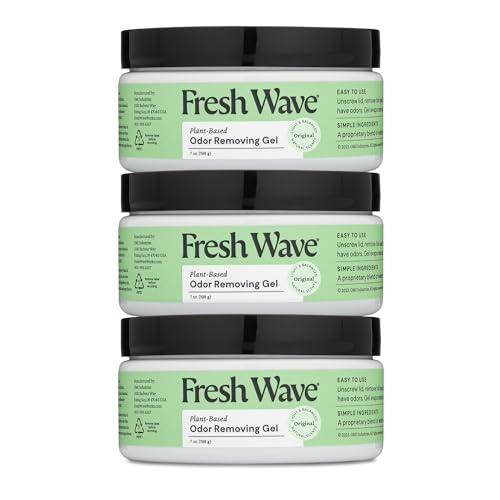
- odor absorber gel for sulfur smell
- air purifier with activated carbon for sulfur odor removal
- ozone-free odor eliminator for sulfur smell
- enzyme-based sulfur odor neutralizer spray for home


Before You Start
Before tackling sulfur odors, identify potential sources and ensure safe conditions. If a gas smell or detectable gas leak is suspected, evacuate and contact the local utility emergency line immediately. Ensure pets and children are kept away from treated areas during application. Ventilate the space well—open windows and run exhaust fans to dilute odors. Prepare a cleaning plan that covers affected rooms, vents, and drains. Estimate time: most initial odor reduction takes a few hours to a day, with deeper remediation potentially extending to several days.
Cautions: Do not mix cleaning products unless specified by manufacturers. Follow all label directions for safety data and disposal. If odor persists after basic steps, consider professional assessment for underlying issues such as plumbing leaks or mold growth.
Step-By-Step: How To Get Rid Of Sulfur Odors
- Open doors and windows to establish cross-ventilation; place portable fans to move air toward exhaust outlets.
- Remove obvious odor sources when safe: spoiled food, standing water, or damp materials that may harbor sulfur-producing bacteria.
- Install or place an activated carbon air filter for sulfur odor removal in the most affected area to adsorb volatile sulfur compounds.
- Position an air purifier with activated carbon for sulfur odor removal in rooms with persistent smells, following the manufacturer’s clearance guidelines.
- Apply an odor absorber gel for sulfur smell to enclosed spaces such as cabinets, closets, or basements where odors linger.
- Use a smell-neutralizing spray, specifically an enzyme-based sulfur odor neutralizer spray for home, on fabrics, trash cans, and upholstery to break down odor-causing compounds at the source.
- Clean drains and plumbing traps with appropriate cleaners; sulfur smells can originate from decaying organic matter in pipes.
- Check for moisture problems and repair leaks; damp environments promote sulfur-related odors through microbial activity.
- Reassess air quality after 24–48 hours; verify that odor-reducing products are still in place and replace or refresh as needed.
- Replace or refresh carbon-based filters every 3–6 months, depending on usage and odor intensity.
- Continue regular cleaning routines: wipe surfaces, sanitize garbage areas, and keep drains clear to prevent odor resurgence.
- Consider professional testing if odors persist after multiple remediation efforts to rule out hidden issues.
Troubleshooting
| Symptom | Likely Cause | Fix | Prevention |
|---|---|---|---|
| Odor remains after cleaning | Sources not identified or not addressed | Reassess space, check drains, vents, and insulation for odor pathways | Regular inspections of plumbing and moisture control |
| Odor returns in evenings | Poor ventilation or closed spaces | Improve airflow, keep doors/windows open longer, run fans | Maintain consistent ventilation schedule |
| Fabrics retain smell | Odor absorbed by textiles | Enzyme spray directly on fabrics; launder when possible | Air out fabrics regularly; use odor absorbers near textiles |
| Filters clog quickly | High odor load or improper fit | Check seal, replace with correct size; clean surrounding area | Follow replacement schedule and proper filter sizing |
Common Mistakes
- Relying on a single product; sulfur odors often require source removal and improved ventilation.
- Using incompatible cleaners that leave residues or release other odors.
- Ignoring hidden sources such as sump pumps, damp basements, or clogged drains.
- Neglecting regular maintenance of air purifiers and filters.
Tips For Best Results
- Place activated carbon filters near odor hotspots and update them as recommended by the manufacturer.
- Combine multiple approaches: airflow, absorbers, and enzymatic sprays for comprehensive coverage.
- Schedule regular cleaning and odor checks, especially in kitchens and bathrooms where smells are common.
- Keep humidity in check with dehumidifiers in damp spaces to reduce odor-causing microbial growth.
- Label storage areas where sulfur odors are common and maintain a routine for drain maintenance.
Call A Professional
Escalate to a professional if there are signs of gas leakage, persistent unexplained odors despite remediation, or suspected structural issues. Stop home DIY remediation when you notice cracked pipes, mold growth you cannot contain, or persistent musty smells after thorough cleaning. A licensed HVAC or plumbing technician can diagnose hidden problems and recommend targeted solutions.
FAQ
What is the quickest way to remove sulfur odor at home?
Improve ventilation immediately and use activated carbon filters or odor absorbers in the affected area.
Can I use ozone generators to remove sulfur smells?
Ozone generators are not recommended for everyday home use; opt for ozone-free odor eliminators and activated carbon methods instead.
Are enzyme-based sprays safe for homes with kids and pets?
Yes, when used as directed, enzyme-based sprays break down odor-causing compounds without harsh chemicals.
How often should I replace air filters for sulfur odor removal?
Replace filters every 3–6 months, or sooner if odors persist or the area is heavily affected.
Will cleaning drains help with sulfur odors?
Yes. Sulfur odors can originate from decaying matter in drains; cleaning drains and traps often reduces odor significantly.
What maintenance helps prevent sulfur odors from returning?
Maintain regular cleaning, check for moisture issues, and ensure proper ventilation and filtration in odor-prone areas.
Buying Guide
When choosing odor-control solutions for sulfur smells, consider size, noise, energy use, and placement. A compact filter with strong carbon media works well for small rooms, while larger rooms benefit from high-capacity purifiers. Look for low-noise operation for bedrooms and offices, and check for replaceable cartridges to minimize ongoing costs. Energy-efficient units reduce operating costs over time. For placement, position devices away from walls to allow airflow and near sources of odors. Consider combining a portable air purifier with activated carbon and a gel absorber for layered odor control in kitchens and bathrooms. Finally, verify that products are ozone-free and compatible with household use, especially in homes with children or pets.