Keeping concrete and brick patio slabs looking clean and welcoming can extend their life and improve curb appeal. This guide provides practical, step-by-step instructions for American homeowners, focusing on effective methods and safe practices for typical patio surfaces.
By using common tools and targeted cleaners, most homeowners can restore a bright, even surface without damaging the slabs. Read on for a clear plan, recommended products, and practical tips.
Quick Answer
Plan: Pre-wet the area, apply a concrete-friendly cleaner, scrub with an appropriate brush, and rinse with steady pressure. For heavy staining, consider a pressure washer with a masonry surface cleaner attachment. Avoid high heat and aggressive acids on delicate surfaces.
What You’ll Need
- Pressure washer for concrete patio 2000 psi
- Masonry surface cleaner for pressure washer
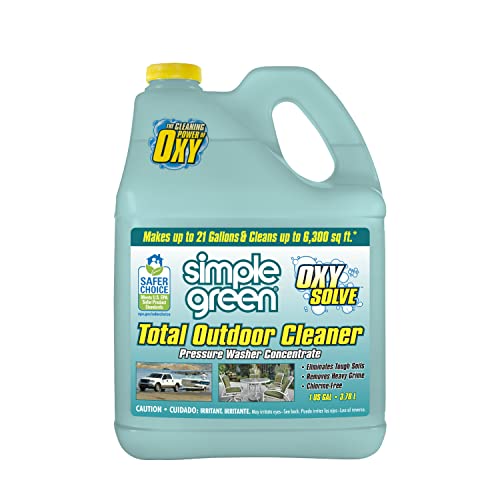
- Concrete patio cleaner concentrate for pressure washer
- Outdoor patio stone cleaning brush concrete
- Brick and concrete patio cleaner spray


Before You Start
Clear the area of furniture, planters, and loose debris. Seal or cover nearby plants to protect them from cleaners. Test a small, inconspicuous patch of the patio to ensure the cleaner doesn’t discolor or damage the surface. Time estimates vary: typical cleaning takes 1–3 hours depending on slab size and staining. Wear eye protection, gloves, and non-slip footwear to stay safe during cleaning and when handling cleaners.
Step-By-Step: How To Clean Patio Slabs
- Remove loose debris with a broom or leaf blower. A clean surface ensures the cleaner works evenly.
- Pre-wet the entire area with a garden hose to reduce cleaner absorption and prevent streaking.
- Mix or apply a concrete patio cleaner concentrate for the pressure washer, following the product’s label for dilution and contact time.
- Apply the cleaner starting at the highest point and work downward to prevent dirty runoff from re-soiling cleaned areas.
- Let the cleaner dwell for the recommended time, typically 5–10 minutes, but do not let it dry on the surface.
- Scrub stubborn stains with the outdoor patio stone cleaning brush concrete or a stiff-bristle brush, focusing on oil, rust, mold, and mildew areas.
- Rinse with a pressure washer using a masonry surface cleaner attachment or a fan-pattern nozzle to avoid gouging the surface. Use a wide spray pattern to cover large areas evenly.
- For heavy staining, repeat the cleaner application and scrubbing as needed. Always keep the surface wet during cleaning to avoid stone etching or color loss.
- Inspect for any remaining stains. Apply a second, targeted spray to persistent spots and rinse again thoroughly.
- Allow the surface to dry completely before replacing furniture or adding a sealant, if planned. Sealing is optional but can help resist future staining.
- Dispose of rinse water away from lawns or gardens, and ensure drainage areas are clear of debris.
- Stow cleaning tools and store cleaners according to the label after use.
Troubleshooting
| Symptom | Likely Cause | Fix | Prevention |
|---|---|---|---|
| Streaks after cleaning | Uneven application or dry surface | Re-wet area and reapply cleaner evenly; rinse with a wide spray | Consistent spray pattern; work in shaded areas to prevent rapid drying |
| Color fading or etching | Overly aggressive cleaner or high-pressure impact | Use a milder cleaner and reduce nozzle pressure | Test patch first; avoid metal nozzle tips |
| Mildew reappears | Remaining spores or moisture pockets | Re-clean with cleaner and consider a diluted mildew inhibitor spray | Improve drainage and sunlight exposure |
| Surface damaged after scrub | Very old or weathered slabs | Limit scrubbing pressure; consider professional assessment | Regular light cleaning to prevent buildup |
Common Mistakes
- Using household bleach or acidic cleaners on concrete; can discolor or damage slabs
- Applying cleaners in direct sunlight, which accelerates drying and streaking
- Using aggressive metal brushes that scratch the surface
- Neglecting to protect nearby plants and outdoor furnishings
Prevent these issues by selecting cleaners labeled for concrete, testing first, and using soft-to-medium bristle brushes where appropriate.
Tips For Best Results
- Choose a purpose-built cleaner concentrate designed for concrete and masonry surfaces.
- Pair the cleaner with a masonry surface cleaner attachment for even, efficient rinsing.
- Work when weather is dry and mild to avoid rapid drying and unsightly water marks.
- Consider a light mist rinse after the final pass to minimize runoff staining nearby surfaces.
- If staining persists, repeat the process rather than increasing pressure beyond the recommended level.
Call A Professional
Seek professional help if:
- The slabs show deep-set stains or significant cracking that may require repair.
- The surface has been discolored by incompatible cleaners or sealants.
- Your patio includes delicate borders, pavers, or natural stone that could be damaged by standard methods.
FAQ
Can I use a regular home pressure washer for concrete patio cleaning?
Yes, a 2000 psi pressure washer is commonly effective for concrete patios when paired with the right attachments and cleaner designed for concrete.
What is the best cleaner for outdoor patio slabs?
Choose a concrete patio cleaner concentrate formulated for pressure washers and compatible with masonry surfaces.
Should I seal my patio after cleaning?
Sealing is optional but can improve stain resistance; wait for the surface to dry completely and follow sealer instructions.
How often should I clean my patio slabs?
Light cleaning every 6–12 months helps prevent buildup, while deeper cleaning may be necessary annually or as stains appear.
Is it safe to use a brush on brick and concrete patios?
A stiff-bristle outdoor stone brush works well on concrete and brick, but avoid metal brushes that can scratch surfaces.
Buying Guide
When choosing equipment for cleaning patio slabs, consider size, noise, efficiency, controls, and placement. A 2000 psi pressure washer for concrete patio provides powerful cleaning without excessive risk of damage on typical slabs. A masonry surface cleaner for pressure washer helps cover larger areas with a uniform spray pattern, reducing streaks. For stubborn stains, a concrete patio cleaner concentrate for pressure washer can boost cleaning power without additional equipment. The outdoor patio stone cleaning brush concrete and brick and concrete patio cleaner spray offer targeted options for textured surfaces. Consider storage location, access to outlets, and vibration levels to minimize disruption in outdoor spaces. For most homes, starting with a moderate setup and expanding as needed provides a balanced approach to maintaining patio slabs throughout the seasons.