The term swamp fever in Ark evokes a combination of hostile environments and in-game threats. This practical guide translates safety, preparation, and in-game strategy into actionable steps for players while emphasizing real-world precautions for outdoor living. The aim is to reduce exposure, improve recovery, and stay prepared when exploring swampy regions or camping environments associated with the concept of swamp fever.
Readers will learn a concise plan that blends basic first aid readiness with outdoor health strategies, helping both new and seasoned players manage risks effectively.
Quick Answer
Stay out of high-risk swamp areas when symptoms appear, use protective gear and repellents, maintain hydration, and seek professional medical advice if symptoms worsen. Use a compact kit to address bites, fever, and dehydration, and plan safe routes and rest periods during exploration.
What You’ll Need
- waterproof outdoor first aid kit 100 pieces
- DEET mosquito repellent spray 7 oz
- mosquito net bed canopy camping travel
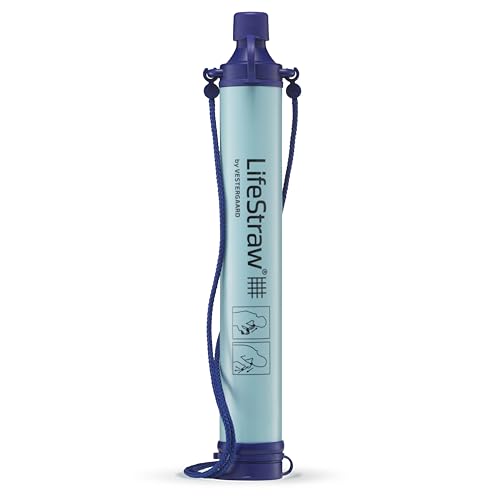
- portable water filter straw kit survival
- outdoor multi-tool knife with pliers


Before You Start
Assess your environment and health status before entering swampy areas. Ensure you have adequate hydration, shelter, and protection against insects. Wear long sleeves, trousers, and sturdy footwear to minimize bites, and apply repellent to exposed skin. Have a basic first aid plan for bites, rashes, and fever, and know where to seek medical help if symptoms persist for more than a couple of days. Time estimates vary by mission length, but plan for up to a half-day of field work with regular breaks.
Step-By-Step: How To Mitigate Swamp Fever Risks
- Survey the area and identify obvious mosquito habitats such as standing water, tall grasses, and dense foliage.
- Set up shelter and a safe base using a mosquito net bed canopy to create a protected resting zone for sleep and downtime.
- Apply DEET mosquito repellent spray to exposed skin and clothing, following label directions for safe use.
- Carry and use a portable water filter straw kit survival to ensure access to potable water during extended outings.
- Inspect and stock the waterproof outdoor first aid kit 100 pieces, placing it in an accessible location within reach of the group.
- Clear a small, dry area for rests, and rotate personnel to monitor for fever or symptoms such as chills, headaches, or fatigue.
- If symptoms appear, rest in shade, rehydrate with clean water, and use a basic first aid approach to manage discomfort and dehydration.
- Limit further exposure to mosquitoes until symptoms subside; reassess after several hours and adjust plans accordingly.
- Educational stop: review bite prevention and hydration routines with the group to reduce future risk.
- Document symptoms and the time of onset to help health professionals if care becomes necessary.
- Consider restocking supplies and re-evaluating route choices based on terrain and weather conditions.
- If symptoms escalate (severe headache, high fever, confusion, vomiting), seek professional medical evaluation immediately.
Troubleshooting
| Symptom | Likely Cause | Fix | Prevention |
|---|---|---|---|
| Persistent fever after exposure | Mallback of infection or dehydration | Consult a health professional; hydrate with clean fluids | Use repellent consistently; cover skin; stay hydrated |
| Severe itching or rash | Puncture bites or allergic reaction | Clean area, apply antiseptic, use antihistamine if advised | Wear protective clothing; apply repellent to exposed skin |
| Dehydration signs (dizziness, dry mouth) | Insufficient fluids in hot, humid conditions | Rehydrate with clean water and electrolytes | Carry portable water filter and monitor intake |
| Nose or eye irritation after fieldwork | Allergen exposure or contact with irritants | Rinse with clean water; avoid rubbing eyes | Use protective eyewear and permeable masks if needed |
| Insect bites not healing | Secondary infection or poor sanitation | Clean wounds and seek medical advice if necessary | Keep first aid kit stocked; sanitize hands before treating bites |
Common Mistakes
- Ignoring early symptoms and continuing swamp exposure
- Overreliance on one protective product (e.g., repellent) without protective clothing
- Using contaminated water or neglecting hydration during fieldwork
- Delaying medical consultation when symptoms worsen or persist
Tips For Best Results
- Rotate rest periods to prevent fatigue and reduce heat-related discomfort
- Pre-treat clothing and gear with proper repellents when appropriate
- Keep a spare battery-powered fan or cooling device for shade and airflow
- Test and practice with the portable water filter straw kit survival before field use
- Batch pack supplies so the first aid kit is always ready for quick access
Call A Professional
Seek professional medical care if symptoms include high fever, severe headache, confusion, persistent vomiting, or signs of dehydration that do not improve with fluids. If bitten by unknown wildlife or if skin infections develop, contact a healthcare professional promptly.
FAQ
What is swamp fever in Ark?
In this context, swamp fever refers to health risks associated with swampy environments, including fever-like symptoms from insect bites and illnesses. It is not a diagnosis but a practical guide for outdoor safety.
Can I prevent swamp fever with repellents?
Yes, using a DEET-based repellent and wearing protective clothing can significantly reduce bites and exposure.
What should I do if I feel dehydrated?
Stop and rest in shade, drink clean water or an electrolyte solution, and monitor symptoms. Seek help if dizziness or confusion occurs.
When is professional help necessary?
Seek care if fever persists beyond 24–48 hours, if symptoms worsen, or if there are signs of severe dehydration or infection.
How can I prepare my gear for swamp exploration?
Include a waterproof first aid kit, mosquito netting, a reliable repellent, a portable water filter, and a versatile multi-tool for field tasks.
Buying Guide
When choosing gear for swampy conditions and outdoor exploration, consider size, noise level, energy efficiency, controls, and placement to optimize comfort and safety.
- <bSize: Select compact items that fit easily in a daypack or larger backpack for extended trips.
- <bProtection: Prioritize gear that provides reliable bite protection and shelter against mosquitoes.
- <bWater Access: A portable water filter straw kit should be easy to use and durable for varying water sources.
- <bResilience: Look for weatherproof and rugged construction for outdoor use in humidity and mud.
- <bPlacement: Plan gear placement in your pack for quick access to first aid, repellents, and hydration.
In practice, combine a waterproof outdoor first aid kit 100 pieces with a mosquito net bed canopy camping travel for resting, and carry a DEET mosquito repellent spray 7 oz for day and night protection. A compact outdoor multi-tool knife with pliers can handle quick repairs or field tasks. A portable water filter straw kit survival ensures access to safe water in diverse environments.