Mealybugs are common pests that can appear on succulents, leaving cottony masses and stunted growth. This guide explains practical, safe methods to eliminate mealybugs and keep succulents healthy in a typical American home or garden setting.
Quick Answer
Spot check with a magnifier, dab affected areas with isopropyl alcohol, then rinse and treat with insecticidal soap. Repeat weekly until signs vanish. For stubborn clusters, use precision tweezers to remove visible pests and seal treated areas with alcohol wipes.
What You’ll Need
- Isopropyl Alcohol Spray Bottle 70% for Mealybugs Succulents 8 oz
- Plant Mister Spray Bottle 16 oz for Insect Treatment Succulents
- Insecticidal Soap Spray Bottle Ready-to-Use 24 oz for Succulents
- Handheld Magnifying Loupe 30x Desk Magnifier Plant Pest Inspection
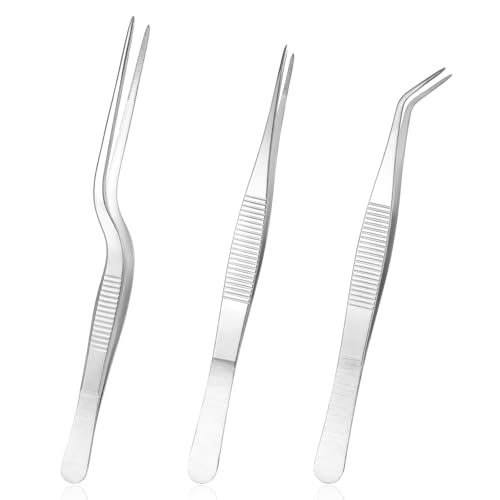
- Precision Forceps Tweezers Set for Mealybug Removal Succulent Plants


Before You Start
Before treating succulents, isolate infested plants from healthy ones to prevent spread. Wear gloves and work in a well-ventilated area. Test any product on a small leaf patch first to avoid sunburn or chemical damage. Time estimates: 30–60 minutes for initial treatment, with follow-up checks over the next 2–4 weeks. Critical cautions: avoid oversaturation, keep alcohol away from cuttings with soft tissue, and never mix products without guidance.
Step-By-Step: How To Eliminate Mealybugs On Succulents
- Inspect all plant surfaces using the magnifying loupe to locate tiny cottony masses and honeydew trails.
- Gently isolate affected succulents to prevent cross-contamination with healthy plants.
- Pour a small amount of 70% isopropyl alcohol into a spray bottle and spray directly onto visible mealybugs, focusing on crevices and the undersides of leaves.
- Use the precision forceps to pick off clusters that are easy to remove, then dab the area with alcohol to kill lingering pests.
- Apply insecticidal soap spray to the entire plant, covering all surfaces until runoff, paying attention to the crown and root zone if visible.
- Allow the plant to dry completely in a bright, indirect light area; repeat alcohol and soap treatments weekly for 3–4 weeks as new growth emerges.
- Check undersides of leaves and the pot rim during each follow-up; remove any new mealybugs promptly with tweezers and re-treat as needed.
- Clean the pot and saucer, and consider replacing the topsoil or refreshing the potting mix to reduce pest habitats.
- For heavily infested plants, consider quarantining multiple weeks and repeating all steps to prevent reintroduction to other succulents.
- Maintain regular preventative checks with the magnifier and a light spray schedule to deter future outbreaks.
- Document progress with photos to track reduction in mealybug activity over time.
Troubleshooting
| Symptom | Likely Cause | Fix | Prevention |
|---|---|---|---|
| Cottony masses persist after treatment | Hidden buzz of pests in crevices | Reapply alcohol and soap thoroughly; target crevices with precise tools | Regular inspection; quarantine new plants |
| Leaves curling or yellowing after spray | Over-application or sensitive cultivar | Use lighter mist and allow drying; skip leaf surfaces if highly sensitive | Test on a small area first |
| Pests return after two weeks | Reinfestation from nearby plants | Extend treatment area to other houseplants | Improve airflow and reduce humidity hotspots |
| Soil moisture issues after treatment | Overwatering during treatment window | Pause watering for 24–48 hours after spraying | Water according to succulent needs; ensure drainage |
Common Mistakes To Avoid
- Over-spraying or soaking the plant, which can cause rot.
- Using alcohol on delicate or fuzzy leaves that are sensitive to solvents.
- Neglecting hidden pests in crevices or the pot lip.
- Rushing treatment without repeating checks in 7–14 days.
- Poor sanitation of tools that can spread pests between plants.
Tips For Best Results
- Combine methods: alcohol for quick knockdown, soap for broad coverage, and manual removal for stubborn clusters.
- Inspect new plants before introducing them to the collection; quarantine for 1–2 weeks if possible.
- Improve air circulation and avoid overwatering to reduce pest-friendly environments.
- Label and track spray dates to maintain a consistent treatment schedule.
- Store tools clean and dry between uses to prevent cross-contamination.
Call A Professional
Contact a professional if mealybug populations are widespread across many plants, if plants show severe systemic damage, or if protective steps fail after 6–8 weeks. Look for licensed pest control services or horticultural consultants with experience in succulents and indoor pests. Severe infestations near electrical equipment or in shared indoor spaces may require specialized treatment plans.
FAQ
Can I use regular household alcohol for mealybugs on succulents?
Yes, but 70% is considered effective and safe for most succulents; always test on a small area first.
How often should I treat succulents for mealybugs?
Weekly treatments for 3–4 weeks, with follow-up checks for another 2–4 weeks as new growth appears.
Will insecticidal soap harm succulents?
When used as directed, insecticidal soap is generally safe for succulents; avoid saturating sensitive varieties.
Are mealybugs contagious between plants?
Yes; keep infested plants isolated and inspect neighboring plants regularly.
What if I don’t see mealybugs but there are honeydew or sooty mold?
These signs indicate pest activity; continue monitoring and treat suspect plants as a precaution.
Buying Guide
When selecting products to combat mealybugs on succulents, consider size, application style, and compatibility with succulent care. For quick knockdown, isopropyl alcohol sprays are effective; for broad coverage, ready-to-use insecticidal soap helps treat entire plants. A handheld magnifying loupe supports precise identification of pests, while precision forceps facilitate careful removal of stubborn clusters. Look for spray bottles with fine mist settings to minimize leaf damage. For larger sessions or multiple plants, choose 24 oz ready-to-use formulations with clear labeling. Always read safety instructions and test on a small leaf patch first.
Final Notes
Mealybug control on succulents combines monitoring, manual removal, and targeted chemical treatments. Regular inspections, prompt action on early signs, and careful handling of products protect plant health while reducing pest spread. The combination of alcohol, insecticidal soap, and precise tools provides a practical, user-friendly approach for American homes and gardens.