White doors add brightness to any room but can show dirt, scuffs, and fingerprints more readily than darker finishes. This article provides a practical, step-by-step approach using common cleaning tools to restore their pristine look without damaging paint or finish. The methods are suitable for interior doors, including painted surfaces, glass panels, and framed doors.
Following a simple routine can keep doors looking fresh. The approach balances gentle cleaning for painted surfaces with targeted scrubbing for stubborn marks, using tools designed for home use. Readers will find actionable steps, safety notes, and quick troubleshooting to handle common issues.
Quick Answer
For routine cleaning, dust with a microfiber cloth, wipe with a mild soap solution, and dry. For scuffs, use a melamine sponge with light pressure. For glass panels, finish with a squeegee. Use a soft brush for corners and a scrub sponge with a handle for tougher grime. Always test a hidden area first.
What You’ll Need
- Soft bristle door cleaning brush
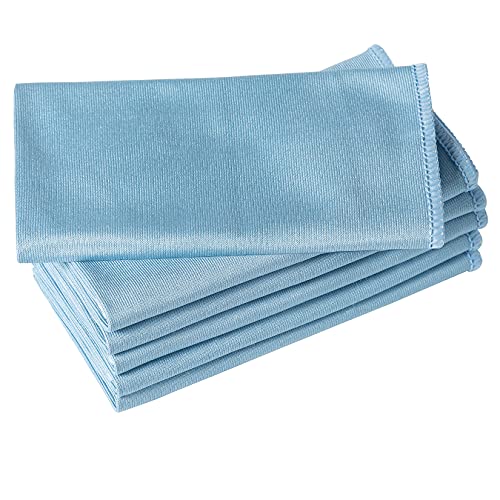
- Microfiber cloths for painted doors
- Melamine sponge magic eraser for door scuffs
- Scrub sponge with handle for door cleaning
- Squeegee for glass door cleaning


Before You Start
Clear the doorway and lay down a protective mat to catch drips. Use a mild soap solution and warm water rather than harsh chemicals that can strip or dull finish. Work in small sections to avoid recontaminating clean areas. Avoid soaking doors, which can seep into edges and hardware. Allow doors to dry completely before reattaching hardware or closing them fully. Time estimate: 15–30 minutes per door, depending on size and grime.
Step-By-Step: How To Clean White Doors
- Remove any decorative hardware or covers if possible to access the entire door surface.
- Dust the door with a soft bristle door cleaning brush to loosen loose dirt and cobwebs.
- Create a mild cleaning solution using warm water and a few drops of gentle dish soap.
- Dip a microfiber cloth into the solution, wring well, and wipe the door in smooth, even strokes from top to bottom.
- For stubborn smudges, gently rub with a melamine sponge at low pressure and test a hidden area first.
- Use a scrub sponge with a handle for any particularly dirty sections or corners, then wipe away residue with a clean microfiber cloth.
- Rinse the cloth in clean water, wipe the door again to remove soap film, and dry with a fresh microfiber cloth.
- For glass panels, wipe with a microfiber cloth and finish with a squeegee to remove streaks.
- Reassemble hardware and inspect for any spots that require a second pass.
- Repeat on the other side if accessible, ensuring both faces look equally clean.
- Store tools properly and keep a small cleaning kit handy for quick touch-ups.
- Establish a regular cleaning routine to prevent buildup and maintain the door’s appearance.
Troubleshooting
| Symptom | Likely Cause | Fix | Prevention |
|---|---|---|---|
| Persistent scuffs after cleaning | Deep marks or ink transfers | Gently reapply melamine sponge with light pressure; test first | Clean promptly after marks appear |
| Streaks on glass panels | Soap film or moisture | Wipe with clean water, then dry with a squeegee or microfiber | Dry in one pass with a dry microfiber |
| Paint dulling or discoloration | Harsh cleaners or excess moisture | Switch to mild soap and minimal water | Use minimal moisture and test area first |
| Dust returns quickly | Infrequent cleaning | Increase cleaning frequency to once every 1–2 weeks | Dust regularly with a microfiber cloth |
Common Mistakes
- Using abrasive pads or harsh chemicals on painted doors
- Over-wetting doors, especially around edges and hardware
- Skipping a final dry pass, leaving water spots or streaks
- Not testing cleaning products on a hidden area first
Sticking to gentle cleaners and controlled moisture prevents damage and preserves color and finish over time.
Tips For Best Results
- Work from top to bottom to prevent recontamination of cleaned areas.
- Use a microfiber cloth for the majority of the job to avoid lint and scratches.
- For frequent doors, consider spot-cleaning with a quick microfiber wipe between full cleanings.
- Store tools in a dedicated kit near doors for easy access during maintenance.
Call A Professional
Seek professional help if doors have extensive peeling paint, deep gouges, water damage around frames, or if hardware requires significant refinishing work. If you notice persistent discoloration after repeated cleaning or if the finish appears to blister or crack, contact a qualified painter or handyman. Serious damage may require refinishing or door replacement.
FAQ
Can I use bleach on white doors?
Avoid chlorine bleach on painted doors; it can discolor and damage finishes. Use a mild soap solution for routine cleaning.
How often should white doors be cleaned?
Clean interior doors every 2–4 weeks with routine dusting and spot cleaning as needed.
What should I do about fingerprints on doors?
Wipe with a microfiber cloth dampened with a mild soap solution, then dry to prevent streaks or residue.
Are there safer alternatives to melamine sponges?
A non-abrasive eraser or a soft cloth scrub with mild soap is a safer alternative for delicate finishes.
Is it okay to use a steam cleaner on doors?
Steam can penetrate edges and cause warping in some door materials. Use steam only if the manufacturer approves and test first on a hidden area.
Buying Guide
When choosing tools for cleaning white doors, consider size, material, and finish compatibility. For general cleaning, a soft bristle door cleaning brush helps reach crevices without scratching paint. Microfiber cloths are ideal for painted doors due to their lint-free, gentle lifting action. For scuffs, a melamine sponge can be effective on durable finishes, but test first to avoid damage. For glass panels, a dedicated squeegee ensures streak-free results. A scrub sponge with a handle is convenient for larger doors or stubborn grime, where reach is limited. Keep tools organized and ready near the cleaning area to encourage regular maintenance.
Size matters: select tools that fit the door dimensions and offer a comfortable grip. Noise and water usage matter for busy households; choose compact brushes and soft cloths to minimize disruption. Energy efficiency isn’t directly relevant to cleaning tools, but investing in durable, reusable cloths and brushes reduces waste. Controls are simple—manual operation with straightforward use. Placement: store cleaning kits in a reachable cabinet or closet near entry doors to simplify routine care. For best results, match tools to door type: painted surfaces, glass panels, and trim may require different approaches.