Olive oil spills are common in kitchens and dining areas, especially during cooking and food preparation. Proper cleanup reduces stains and prevents slick surfaces that could cause slips. This article provides practical, step-by-step methods using common household tools and select specialized products available in the American market.
Quick Answer
Act quickly to blot up excess oil, then use absorbent materials to lift remaining oil. For stains, treat with a degreaser spray or solvent designed for fabrics, then rinse or launder. Finish with a microfiber mop or absorbent pads for hard floors to prevent re-spread.
What You’ll Need
The following tools and materials will cover most olive oil cleanup scenarios. The list prioritizes items from the supplied product keywords and their closest equivalents.
- Olive oil spill absorbent pads kitchen
- Oil spill cleanup kit absorbent socks and pads
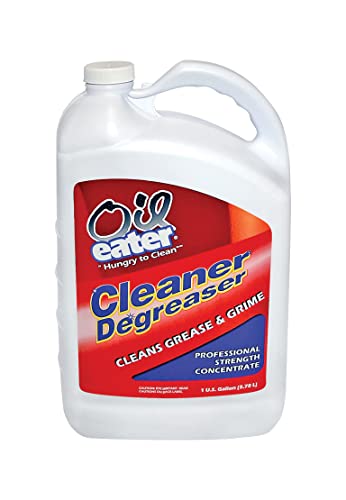
- Grease cleaning degreaser spray oil kitchen 32oz
- Microfiber mop for oil spill cleanup kitchen
- Oil stain remover solvent fabric olive oil


Before You Start
Prepare the area by removing nearby items that could be damaged by cleaners. Place towels to catch drips and ensure pets and children are away. For fabric or upholstery, test any solvent on an inconspicuous spot first. Time estimates vary: quick surface cleanups take minutes; removing set-in stains may take multiple steps over several hours.
Safety cautions: work in a well-ventilated area when using degreasers or solvents. Wear gloves to protect skin and avoid mixing cleaners unless the product instructions permit it.
Step-By-Step: How To Remove Olive Oil Stains And Spills
- Contain the spill by laying down absorbent pads or paper towels and gently pressing to soak up the oil.
- For hard surfaces, sweep up solids first, then sprinkle more absorbent material to lift remaining oil.
- Apply a grease cleaning degreaser spray or oil-specific cleaner to the affected area, following the label directions.
- Let the cleaner dwell for the recommended time to break down fats, then wipe with a clean cloth or sponge.
- For fabric or upholstery, apply an oil stain remover solvent designed for fabrics and blot—avoid rubbing to prevent embedding the stain.
- Rinse or launder fabrics as directed on the product label; for carpets, blot with a damp cloth and repeat as needed, then dry completely.
- On hard floors, finish with a microfiber mop to lift residues and prevent re-spreading oil.
- Inspect the area for any remaining sheen. If necessary, repeat the cleaner application and blotting steps until the surface is clean.
- Dispose of used absorbents and towels according to local guidelines once the area is dry and free of oil.
- After cleaning, re-check the surface during the next few days to ensure no reappears due to absorbed oil seeping from porous materials.
- For persistent stains on textiles, consider repeating the treatment or seeking professional cleaning if the stain remains.
Troubleshooting
| Symptom | Likely Cause | Fix | Prevention |
|---|---|---|---|
| Oil sheen remains after cleaning | Stain has penetrated porous material | Apply solvent-based stain remover and launder or dry-clean as appropriate | Blot and treat promptly, avoid rubbing |
| Cleaner leaves a residue | Too much product or incompatible surface | Wipe with clean water and a fresh cloth; repeat as needed | Test on a small area first |
| Slippery floor after cleaning | Residual oil on surface | Rinse thoroughly and mop with clean water | Use microfiber mop for better pickup |
| Fabric stain reappears after washing | Oil penetrated deeply | Pre-tloat with stain remover before washing | Treat stains promptly |
Common Mistakes To Avoid
- Rubbing oil into fabric or carpet; this pushes it deeper.
- Using hot water on fresh oil stains, which can set the stain.
- Mixing cleaners without checking compatibility with the surface.
- Delaying cleanup after a spill, especially on porous materials.
Tips For Best Results
- Act quickly with absorbent pads or socks to contain the spill and minimize spreading.
- For kitchen floors, follow up with a microfiber mop to gather residual oil and leave a clean, dry surface.
- Confirm fabric care labels before applying solvents or stain removers to clothing or upholstery.
- Use a lockstep approach: absorb, apply cleaner, blot, rinse, and dry in sequence for best outcomes.
- Store degreasers and stain removers safely out of reach of children and pets.
Call A Professional
Consider professional cleaning if spills involve delicate fabrics, large carpet areas, or stubborn stains that resist at-home cleaning methods. Seek urgent help if the spill covers a wide area and poses a slipping hazard, or if you notice persistent odors after cleaning.
FAQ
Is olive oil stain removal different for fabrics vs. hard surfaces?
Yes. Fabrics usually require a stain remover solvent designed for textiles and careful blotting, while hard surfaces benefit from degreasers and thorough rinsing.
Can I use dish soap to remove olive oil spills?
Dish soap can help on some surfaces, but specialized degreasers are typically more effective for larger oil residues.
What should I do first after a spill on carpet?
Blot with a clean cloth to remove as much oil as possible, then treat with a carpet-safe stain remover before washing or extraction.
Are there eco-friendly options for oil cleanup?
Yes, select biodegradable degreasers and reusable absorbent pads when possible to minimize environmental impact.
How long should I let cleaners sit on stains?
Follow the product label instructions, typically from a few minutes up to 10–15 minutes for tougher stains.
Can olive oil spills be prevented?
Using spill containment mats and quickly cleaning up splashes during cooking can greatly reduce risk.
When should I call a professional for carpet stains?
If the stain persists after multiple at-home treatments or the area is large, professional cleaning is advised.
Buying Guide
Choosing the right tools can make olive oil cleanup faster and more effective. Consider the following factors to pick the best options for a typical American kitchen and home:
- Size and coverage: For floors, larger absorbent pads and socks quickly cover bigger spills; for fabrics, smaller stain-remover pens or sprays work well.
- Noise level: Some mops and cleaners operate quietly; if the kitchen is adjacent to living spaces, quieter models help.
- Energy efficiency: For powered cleaners, look for energy-efficient options and corded vs. cordless designs that fit your cleanup routine.
- Controls: Simple spray bottles, trigger sprayers, or ready-to-use wipes offer quick access during spills.
- Placement: Store absorbent pads near the kitchen entry, and keep degreasers with other cleaning supplies to reduce search time during a spill.
When comparing products, consider how each item aligns with common spill scenarios: a small countertop splatter versus a large floor spill, or a fabric stain versus a carpet area. Using a combination of absorbent pads, a reliable degreaser spray, and a microfiber mop typically yields the best results in most American homes.