West Elm couches often feature a mix of fabrics such as microfiber, velvet, or blends that require careful cleaning to preserve look and longevity. This guide provides step-by-step methods, tool recommendations, and safety tips to keep a West Elm couch looking fresh without damage.
Quick Answer
Assess the fabric type (microfiber, velvet, or fabric blend) and test any cleaner in an inconspicuous area. Air dry thoroughly after cleaning to prevent odor or mold. For stubborn stains, use targeted products designed for upholstery and follow product directions closely.
What You’ll Need
- Upholstery cleaner spray for sofas microfiber velvet fabric
- Sofa stain remover pen for fabric couches
- Fabric protector spray for sofas microfiber furniture
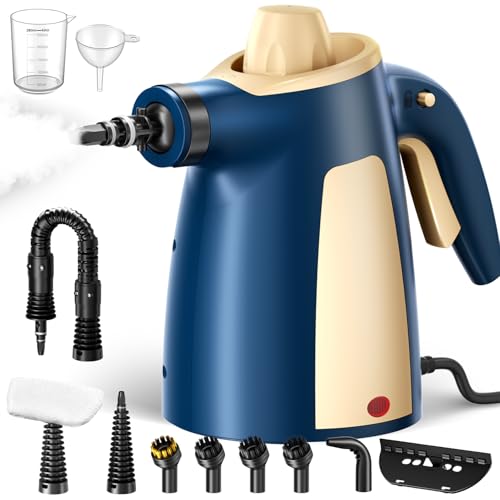
- Handheld upholstery steamer for sofas
- Sofa vacuum attachment crevice tool upholstery set


Before You Start
Plan a clean session when the area is well ventilated. Remove cushions and loose debris with a vacuum using the crevice tool. Always check the dye fastness on an inconspicuous area. Do not saturate the fabric; most materials require light, controlled applications. Consider working in small sections and allowing ample drying time between steps to prevent watermarking or stiffness.
Step-By-Step: How To Clean A West Elm Couch
- Vacuum the entire surface with a sofa vacuum attachment crevice tool upholstery set to remove loose dust, hair, and crumbs.
- Test an upholstery cleaner spray for sofas microfiber velvet fabric in a hidden spot. If no color change or texture shift occurs after 5 minutes, proceed.
- Apply a light mist of upholstery cleaner spray for sofas microfiber velvet fabric to a clean microfiber cloth, then gently blot the stained area without rubbing.
- Use the sofa stain remover pen for fabric couches on fresh spots. Tap or dab, not drag, to avoid spreading stain deeper into fibers.
- For tougher soils, use a handheld upholstery steamer for sofas at a safe distance to lift fibers and relax embedded dirt. Avoid soaking and keep the steamer moving.
- Once the area is clean, re-check for any remaining residue. If needed, repeat blotting with cleaner in small increments until the fabric looks uniform.
- Allow the cleaned area to air dry completely. If humidity is high, use a fan or dehumidifier to speed drying and prevent odor development.
- After drying, prune any lift or nap issues by gently brushing with a soft cloth or fabric brush to restore texture.
- Finish with a light application of fabric protector spray for sofas microfiber furniture to help future stains resist penetration. Follow label directions and avoid over-saturation.
- Replace cushions and return the room to its normal use once the couch is fully dry.
Troubleshooting
| Symptom | Likely Cause | Fix | Prevention |
|---|---|---|---|
| Water rings or watermark on fabric | Over-wetting | Blot with a dry cloth and allow to dry completely; re-clean with minimal moisture | Use light, even sprays; test before use |
| Color transfer from clothing | Stain remover or cleaner reacting with dye | Rinse gently with a clean cloth and mild solution; avoid prolonged contact | Pre-treat with test area |
| Fabrics feel stiff after cleaning | Residue from cleaner or insufficient drying | Re-clean with less product and extend drying time | Use small amounts and ensure ventilation |
| Persistent odor | Moisture trapped in folds | Thorough drying; consider fabric deodorizer designed for upholstery | Ventilate and avoid over-wetting |
Common Mistakes
- Using household cleaners not designed for upholstery
- Rubbing hard, which can fray or distort fibers
- Saturating the fabric, leading to mold or dye bleed
- Skipping a test patch on the fabric before full application
- Neglecting drying time, causing new stains or odor
Tips For Best Results
- Always work in a well-ventilated area to speed drying and reduce chemical odor.
- Maintain fabric-specific care by choosing products labeled for microfiber or velvet if applicable.
- Clean spills immediately by blotting with a clean cloth rather than rubbing.
- Lightly brush velvet nap after drying to restore pile direction and texture.
- Consider performing a routine maintenance cleaning every 3–6 months to extend couch life.
Call A Professional
Seek professional help if the couch shows:
- Extensive staining, unusual odors that persist after cleaning, or visible dye bleed
- Delicate fabrics like silk blends or leather, or if cleaning may affect warranty
- Water damage, structural concerns, or mold growth in cushions
FAQ
Can I use a general household cleaner on a West Elm couch?
General household cleaners may damage upholstery fibers. Use products labeled for upholstery and test on a hidden area first.
How long does it take for the couch to dry after cleaning?
Drying times vary by fabric and environment, but most sets require several hours. Use airflow and avoid using the couch until completely dry.
Is fabric protection necessary after cleaning?
Fabric protector adds a barrier against future stains but isn’t foolproof. Apply when fabric is dry and follow product directions carefully.
What fabric types are common on West Elm sofas?
Common options include microfiber, velvet, and blended fabrics. Always confirm care instructions on the fabric tag.
Should I steam clean velvet cushions?
Light steam can help lift fibers, but avoid high heat and excessive moisture that can crush nap. Use minimal steam and test first.
What if cleaning causes color changes?
Stop cleaning immediately on the affected area and consult the product’s guidelines or a professional if color change occurs.
Buying Guide
Choosing maintenance accessories for a West Elm couch involves several factors. Consider size and layout of the living space to ensure storage for cleaning tools and unobstructed cleaning paths. Noise level matters for handheld steamers and vacuums, especially in quiet living areas. Energy efficiency is relevant for any powered tool used for extended sessions; select devices with efficient motors and heat control. Controls should be intuitive, with clear spray settings, steam levels, and vacuum attachments. Placement matters: keep cleaning supplies within reach of the cleaning area and away from children or pets. When comparing options, evaluate how well each product matches the couch’s fabric type—microfiber, velvet, or blends—and remember to prioritize products labeled for upholstery care. Do not overlook drying time and the potential for residue. A well-chosen set of tools helps maintain a clean, comfortable West Elm couch without unnecessary wear.