Mice can be a common indoor pest, especially in the colder months. A natural approach uses a combination of repellents, barriers, and humane capture to reduce activity without heavy chemical exposure. This guide focuses on practical, US-friendly methods that emphasize safety, effectiveness, and humane options.
Readers will find a concise plan to deter mice, capture them humanely when appropriate, and prevent re-infestations through maintenance and smart household habits.
Quick Answer
Act quickly, combine repellents with physical barriers, and choose humane capture where possible. Use natural repellents, seal entry points, place humane traps, and maintain cleanliness to reduce attractants. If activity persists, consider professional assessment.
What You’ll Need
The following tools and materials align with natural and humane mouse control strategies. Gather these before starting to streamline the process.
- Natural mouse repellent spray essential oils 16 oz
- Ultrasonic pest repeller for mice plug-in
- Diatomaceous earth for mice food grade 4 lb
- Stainless steel snap traps for mice set of 2
- Reusable humane mouse trap live capture

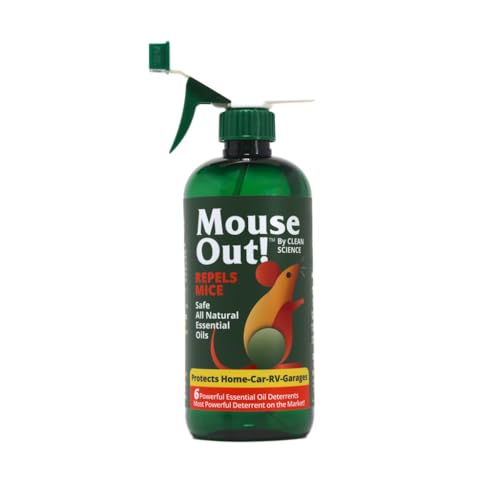

Before You Start
Assess the scope of the activity by identifying signs such as droppings, chewed materials, and nesting sites. Prepare a plan that covers entry-point sealing, attractant control, and humane capture where appropriate. Time estimates vary: plan several days for a first pass and ongoing weeks for rechecking and prevention.
Caution: Use protective gloves when handling traps and droppings. Keep children and pets away from traps and treated areas until safe. Monitor electrical outlets and cords around ultrasonic devices to avoid interference with other electronics.
Step-By-Step: How To Get Rid Of Mice In Your House Naturally
- Identify high-activity zones by tracing droppings, gnawed materials, and nesting sites. Map entry points around doors, windows, and foundations.
- Seal entry points with steel wool and caulk, prioritizing gaps larger than 1/4 inch. Don’t rely on flimsy materials that mice can chew through.
- Place natural deterrents along likely routes, such as peppermint or citrus oil blends near entry paths to discourage foraging.
- Set up ultrasonic pest repellers in main living areas and near suspected rodent pathways, ensuring unobstructed placement for best effectiveness.
- Introduce diatomaceous earth in areas where mice travel, applying a thin layer to floor cracks, behind appliances, and along baseboards. Reapply after vacuuming or cleaning.
- Position stainless steel snap traps along walls where mice travel, but use in areas that are accessible and out of reach for pets and children. Check traps daily.
- Adopt a humane live-capture trap in areas with higher activity or where you want to relocate mice. Check traps frequently and release away from homes, following local regulations.
- Maintain cleanliness by sealing food, storing perishables in sealed containers, and removing clutter that provides harborage.
- Monitor updates: replace repellents as scents fade, recharge ultrasonic devices if needed, and recheck for new entry points after weather changes.
- Establish ongoing prevention: trim vegetation away from the house, repair exterior damage, and install barriers at potential entry points around foundations and crawl spaces.
- If activity continues despite these efforts, reassess strategies and consider professional consultation for persistent infestations.
Troubleshooting
| Symptom | Likely Cause | Fix | Prevention |
|---|---|---|---|
| Continued droppings after sealing | New mice entered after initial seal | Re-inspect exterior and seal overlooked gaps | Regular checks after storms or construction |
| Ultrasonic device seems ineffective | Obstructions or device interference | Relocate to open areas, avoid corners | Use as part of a combined approach, not alone |
| Traps reset quickly by rodents | Trap type unsuitable or bait not appealing | Switch to alternative bait or humane live trap | Rotate traps and maintain placement discipline |
| Foul odors near nesting sites | Nesting and droppings buildup | Clean with appropriate disinfectants; wear protection | Seal areas to prevent re-nesting |
Common Mistakes
- Relying on a single method; combining repellents, barriers, and traps yields better results.
- Using harsh chemical pesticides indoors; natural methods prioritize safety and pets’ well-being.
- Ignoring entry-point sealing; mice can bypass visible barriers easily.
- Overlooking food storage; leaving crumbs and open containers invites infestations.
Tips For Best Results
- Coordinate placement of traps and repellents for consistent coverage across rooms.
- Check traps at the same time daily to prevent prolonged stress for captured mice.
- Label and rotate products to maintain efficacy of essential oil blends and deterrents.
- Keep outdoor trash secured and reduce compost moisture to minimize attractants near the home.
- Document signs of activity to track progress and adjust tools accordingly.
Call A Professional
Seek professional help if there is evidence of a larger infestation, damage to the structure, or repeated activity after an extended period. Stop signs include persistent droppings, multiple entry points, or aggressive rodent behavior in or around living spaces. A licensed pest control professional can provide integrated strategies tailored to the home environment and local regulations.
FAQ
What is the best natural repellent for mice?
Essential oil blends with peppermint or citrus are common natural deterrents used in sprays or diffusers near entry points and paths.
Are ultrasonic pest repellers effective for mice?
They can help reduce activity when used in combination with sealing and traps, but results vary by environment.
Can diatomaceous earth harm pets?
Food-grade diatomaceous earth is generally considered safe when used as directed, but avoid inhalation and keep away from pets’ lungs.
When should I replace traps or repellents?
Replace or reset devices if activity persists after a week and after any major cleaning or weather changes that alter odors and access.
Is humane live capture effective long-term?
Live capture works well for relocation but requires regular monitoring and adherence to local wildlife rules.
What maintenance helps prevent future mice?
Seal gaps, store food properly, keep clutter to a minimum, trim vegetation near the house, and maintain consistent sanitation.
Buying Guide
Choosing the right set of tools for natural mouse control depends on home layout, activity level, and safety considerations. Below are factors to weigh when comparing options:
- Size of the home and infestation: Larger homes may need multiple deterrents and more traps to cover all routes.
- Noise level: Ultrasonic devices vary in decibel output; consider rooms where quiet operation is preferred.
- Energy efficiency: Plug-in devices should be energy-conscious and safe for continuous use.
- Controls and usability: Simple, easy-to-clean traps and clearly labeled products save time.
- Placement flexibility: Look for compact, unobtrusive items that fit behind appliances, along walls, and near entry points.
- Durability and material: Stainless steel traps resist wear and are easier to sanitize between uses.
- Ease of cleaning and maintenance: Reusable traps and washable deterrents simplify ongoing use.
- Pet and child safety: Choose products with secure placements and humane capture methods to minimize risk.
- Safety certifications: Verify that products meet safety standards and are suitable for indoor residential use.
When shopping, consider starting with a versatile kit that combines a natural repellent spray, an ultrasonic unit, diatomaceous earth, and a humane live trap. This mix supports an integrated, humane strategy while allowing adjustments based on observed results. Always follow product instructions and local guidelines for humane treatment and relocation.