Mulch helps retain soil moisture, suppress weeds, and improve garden aesthetics. Over time, mulch can accumulate debris, compact, or lose its visual appeal. This guide provides practical steps and tools to clean and refresh mulch beds, keeping landscapes neat and healthy in a typical American yard.
Whether you’re tidying a flower bed, a tree ring, or a large mulch path, a thoughtful cleaning routine minimizes waste and preserves mulch life. The following sections outline a quick, effective method using common garden tools and safe practices.
Quick Answer
Start by removing large debris with a sturdy mulch rake, loosen compacted areas, and blow away loose debris with a leaf blower. For stubborn grime, lightly rinse with a pressure washer or garden hose jet nozzle, then sift through mulch with a fine screen to separate contaminants. Finish by re-applying fresh mulch if needed.
What You’ll Need
- Mulch rake heavy duty garden rake 48 inch
- Leaf blower for mulch debris yard cleanup
- Pressure washer with adjustable nozzle for mulch
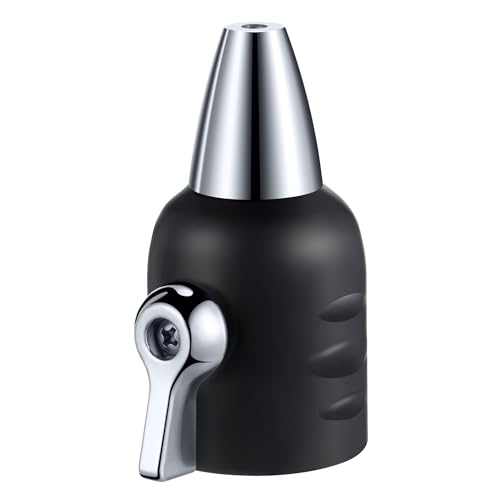
- Garden hose jet nozzle for mulch cleaning
- Mulch sifter screen 12 inch garden yard cleanup


Before You Start
Check local waste and yard debris guidelines before removal. Clear any ornamental grasses or delicate plantings near the mulch bed to prevent damage. Wear gloves, eye protection, and closed-toe shoes. Schedule the task when weather is mild to avoid moisture-related dust. Avoid using harsh chemical cleaners on mulch, as they can alter soil chemistry and harm beneficial organisms. Estimate 30 minutes to several hours depending on bed size and debris load.
Step-By-Step: How To Clean Mulch
- Survey the area and identify sections with heavy debris buildup or compacted mulch.
- Use the mulch rake 48 inch to lift and loosen the top layer, breaking up clumps and freeing embedded leaves.
- Gather large sticks, stones, and obvious trash with the rake and place them in a yard waste bin.
- Turn on the leaf blower to remove loose debris from the surface and edges of the mulch bed, working from the outside in.
- Reassess the bed; if mulch is matted, rake again to re-fluff and improve airflow.
- For stubborn grime, spray lightly with a garden hose jet nozzle or use a pressure washer on a low setting, keeping a safe distance to avoid splashing soil into nearby plantings.
- If using a pressure washer, test on a small area first to ensure mulch color and texture are not damaged.
- Spread a thin, even layer of mulch to replace any sections that diminished, using the rake to level the surface.
- Optionally, set aside a portion of the debris for composting if it is free of disease or weed seeds.
- Use the mulch sifter screen 12 inch to separate any contaminated material or plant debris that should be removed from the mulch before restacking.
- Water lightly after cleaning to settle the mulch and discourage dust; avoid overwatering, which can cause compaction.
- Inspect the bed after a day or two and top up mulch where the coverage is thin to maintain uniform appearance.
Troubleshooting
| Symptom | Likely Cause | Fix | Prevention |
|---|---|---|---|
| Mulch remains matted after rake | Compressed layer from foot traffic or heavy debris | Rake again to loosen; consider a lighter mulch layer | Apply a thinner layer and avoid compaction by keeping foot traffic off the bed |
| Dusty mulch after cleaning | Dry conditions and fine particles | Water lightly to settle; use a coarser mulch next time | Keep mulch adequately moist during dry spells |
| Color fading after washing | Over-wetting or high-pressure wash | Switch to a low-pressure setting and shorter spray time | Test in a small area first; avoid direct, prolonged spray |
| Weed seeds present in mulch | Infected or reused mulch | Sift and replace contaminated material | Use fresh, properly sourced mulch; keep weed barriers intact |
Common Mistakes
- Waiting too long to clean mulch, leading to compacted layers
- Using aggressive sprays that wash away mulch color or soil
- Overwatering after cleaning, causing mold or root issues
- Mixing mulch types or colors without a cohesive plan
Tips For Best Results
- Perform cleaning in moderate weather to reduce mud and dust exposure
- Choose a mulch type appropriate for the plantings (wood, bark, or pine based)
- Regular maintenance every season keeps mulch looking fresh
- Store tools clean and dry to extend their lifespan
- Consider applying a fresh top layer if color or texture is significantly worn
Call A Professional
Consider hiring a pro if mulch beds are extensive, hard-to-reach, or show signs of persistent disease or contamination. Stop work and consult a landscaper if: heavy machinery is needed, moisture control is critical for nearby foundations, or there is a risk of harming established plants or soil organisms.
FAQ
What’s the best time to clean mulch?
Cool, dry mornings or late afternoons are ideal to minimize evaporation and dust.
Can I reuse cleaned mulch?
Yes, provided it’s free of weeds, pests, and disease; sift and evaluate texture before reapplication.
Should I wash mulch with soapy water?
Avoid detergents; they can alter soil chemistry and harm beneficial organisms.
How often should mulch be refreshed?
Inspect and refresh annually, or when color, texture, or coverage indicates aging mulch.
Will cleaning mulch harm plants?
Keep water away from stems and use gentle spray settings to avoid damage to nearby foliage.
Buying Guide
When choosing mulch-related tools and supplies, consider size, power, and compatibility with your yard’s needs. Key factors include the following:
- <bSize and reach: For larger beds, a 48-inch rake helps cover more ground with less effort; smaller yards may suffice with shorter tools.
- <bPower and efficiency: A leaf blower with adjustable speed is ideal for debris removal without scattering mulch. A low-pressure pressure washer preserves mulch color and integrity.
- <bControl options: Look for nozzle settings that provide a gentle spray and precise control to prevent damage to plants.
- <bDurability and materials: Durable metals and high-quality plastics extend tool life in outdoor conditions.
- <bPlacement considerations: Plan access paths to minimize walking on fresh mulch and protect plant beds during cleaning.
- <bMaintenance needs: Choose tools with easy-to-clean surfaces and replaceable parts to keep maintenance simple.
Do you need a compact set for a small yard or a robust kit for larger landscapes? Assess your space, typical debris volume, and preferred workflow. A balanced combination of a sturdy rake, a leaf blower, and a cautious washing option often delivers reliable results without overinvesting.