Textured fiberglass shower floors provide grip and slip resistance, but they can trap soap scum, mineral deposits, and mildew. Regular, careful cleaning helps maintain their look and longevity without damaging the surface. The steps below outline a practical approach for American households, using common scrubbing tools designed for fiberglass.
By following a structured cleaning routine and choosing the right brushes and cleaners, homeowners can restore texture and shine while extending the life of their shower enclosure.
Quick Answer
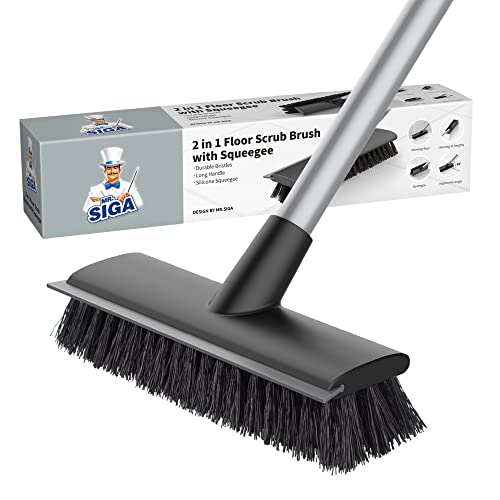
Use a non-abrasive, non-scratch brush with nylon bristles and a angled head to reach corners. Apply a mild, fiberglass-safe cleaner, let it sit briefly, scrub in circular and back-and-forth motions, rinse thoroughly, and dry with a microfiber cloth. For tougher buildup, repeat and consider a spray bottle booster to pre-dampen and evenly distribute cleaner.
What You’ll Need
- fiberglass shower floor scrub brush nylon bristles
- textured shower floor brush for fiberglass
- non-scratch fiberglass shower cleaning brush angled head
- anti-scratch scrub brush for textured fiberglass shower enclosure
- shower cleaning kit fiberglass bathroom brush spray bottle


Before You Start
Prepare the area by removing personal items and turning on ventilation. Wear gloves and eye protection if you’re using stronger cleaners. Use a mild, non-abrasive cleaner to avoid scratching the fiberglass texture. Check for any existing damage, such as cracks or loose grout, and avoid applying excessive pressure on delicate areas. Plan for a 20–40 minute cleaning session, depending on buildup.
Caution: Do not mix chlorine bleach with ammonia or acidic cleaners, which can release harmful fumes. If the surface shows wear or bubbling, stop and reassess with a gentler approach.
Step-By-Step: How To Clean Textured Fiberglass Shower Floor
- Put on gloves and open a window or vent; gather the recommended brushes and a mild cleaner.
- Rinse the floor with warm water to loosen loose soap scum and debris.
- Apply a fiberglass-safe cleaner directly to the textured areas or spray onto a brush for even coverage.
- Let the cleaner dwell for 5–10 minutes to break down soap scum and mineral deposits.
- Scrub using a non-scratch fiberglass shower cleaning brush angled head in circular motions, paying attention to textured ridges and corners.
- Rinse the area thoroughly with warm water, inspecting for remaining residue; repeat as needed for stubborn spots.
- Dry the surface with a microfiber cloth to prevent water spots and mildew growth.
- If stains persist, repeat the cleaning cycle or switch to a slightly stronger cleanser recommended for fiberglass.
- Once clean, rinse one final time and leave the door or curtain open to air-dry.
- Clean the brush after use and store it in a dry, ventilated location.
- Schedule routine maintenance every 1–2 weeks to prevent heavy buildup.
Troubleshooting
| Symptom | Likely Cause | Fix | Prevention |
|---|---|---|---|
| Stubborn mineral deposits | Hard water buildup | Use a dedicated fiberglass-safe descaler and re-scrub | Wipe down after use to reduce mineral buildup |
| Scratches or dull texture | Harsh scrubber or abrasion | Switch to anti-scratch scrub brush for textured fiberglass shower enclosure | Avoid metal pads; stick to nylon bristles |
| Mildew in seams | Moist environment | Ensure thorough drying; use a mildew-resistant spray | Ventilate and dry after each use |
| Streaks after rinsing | Residual cleaner or hard water | Rinse thoroughly and dry with microfiber | Use distilled water if water hardness is high |
Common Mistakes
- Using abrasive brushes on textured fiberglass
- Overlooking corners and drain area during scrubbing
- Ignoring ventilation, which accelerates mildew growth
- Rinsing with cold water, which can leave mineral residue
Pay attention to the texture of the fiberglass and tailor the brushing pressure accordingly. A gentle approach often yields the best long-term results.
Tips For Best Results
- Pre-wet and pre-spray the floor to reduce friction during scrubbing.
- Use a textured shower floor brush for fiberglass with a flexible neck to reach tight spots.
- In hard-water areas, consider a weekly routine with a mild descaler to prevent mineral buildup.
- Rinse with warm water and finish with a quick dry wipe to prevent water spots.
- Store brushes in a dry area to prevent mold growth on bristles.
Call A Professional
Consider contacting a professional if there are persistent stains, deep etching, or visible damage to the fiberglass surface. Signs that indicate a professional are needed include:
- Discoloration that does not respond to cleaning
- Cracks, chips, or delamination of the fiberglass
- Persistent mildew behind mold-resistant barriers or caulking
FAQ
What type of brush is best for textured fiberglass?
A non-scratch fiberglass shower cleaning brush with nylon bristles and an angled head is effective for reaching textured surfaces without scratching.
Can I use bleach on textured fiberglass floors?
Bleach can be used cautiously on fiberglass but should be diluted and never mixed with ammonia or acidic cleaners. Always rinse well afterward.
How often should I clean a fiberglass shower floor?
For most homes, a light clean once a week and a deeper clean every 2–4 weeks keeps texture and shine without damaging the surface.
What should I do if the texture looks dull?
Check for soap scum buildup or mineral residue; perform a thorough cleaning with a gentler cleaner and ensure complete rinsing and drying.
Is a spray bottle essential?
A spray bottle helps evenly apply cleaner on textured areas and can speed up the process, especially for larger stalls.
Do anti-scratch brushes wear down over time?
Yes, nylon bristles may fray with heavy use; replace brushes as needed to maintain effective cleaning and avoid scratching.
Buying Guide
Choosing the right tools and approach for cleaning textured fiberglass shower floors involves several factors. Consider size and layout of the shower, noise tolerance for any cleaning machines or spray bottles, energy or effort you’re willing to invest, and the location of the shower within the bathroom. Look for brushes with angled heads to access corners and textured surfaces without scratching. Prioritize products labeled as anti-scratch or designed for fiberglass to protect finishes. A dedicated shower cleaning kit that includes a spray bottle and a microfiber cloth makes ongoing maintenance easier. For larger homes or high-use showers, a slightly more robust scrub brush and a mild descaler can help reduce buildup. Balance price with durability and warranty, and ensure replacement heads or bristles are readily available. Finally, consider placement: store brushes in a dry area to prevent mildew and ensure ease of access during regular cleaning. If unsure about best-fit options, compare multiple brushes described as textured fiberglass shower floor tools for a practical, no-nonsense choice.