Hardwood floors add warmth and value to a home, but keeping them clean and shining requires the right approach. This guide outlines practical steps, safe products, and smart tools to maintain sealed hardwood floors without dulling their finish or risking damage. Whether you have durable engineered planks or solid hardwood, the methods below help you preserve luster and extend the interval between refinishing projects.
Readers will find a simple, repeatable routine suitable for busy households, along with troubleshooting tips and a buying guide to compare popular tools and solutions.
Quick Answer
Best first move: use a microfiber mop for hardwood floors with a wood-friendly cleaner. For deeper shine, consider a hardwood floor polisher and restorer kit or a dedicated hardwood floor buffer with polishing pads. Avoid soaking the floor and opt for steam cautiously on sealed finishes.
What You’ll Need
- Microfiber mop for hardwood floors
- Wood floor cleaning solution spray system for sealed finishes
- Hardwood floor polisher and restorer kit
- Hardwood floor steam mop (for sealed finishes only, if manufacturer-approved)
- Electric floor buffer for hardwood floors with polishing pads

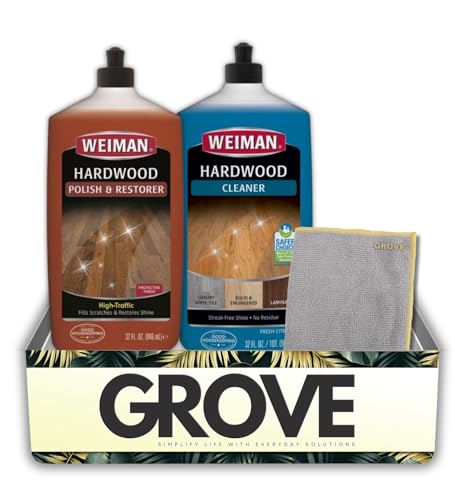

Before You Start
Prepare the space by removing area rugs, heavy furniture, and obstacles. Sweep or vacuum to remove dust and grit that can scratch surfaces. Read and follow manufacturer directions for any cleaner or machine used on your floor. Do not allow standing water on wood, and never push a steam mop across unsealed or untreated floors. Plan for a small test in an inconspicuous area to confirm the finish accepts the product without dulling.
Estimated time for routine cleaning: 20–45 minutes, depending on square footage and cleaning frequency. For restoration or polishing sessions using a dedicated kit, allocate 1–2 hours with drying time in mind.
Step-By-Step: How To Clean And Shine Hardwood Floors
- Prepare the area and test a small patch. Choose a clean, dry microfiber mop and apply a minimal amount of cleaner to the pad or spray system as directed by the product.
- Dry sweep or vacuum the floor to remove loose debris. Use attachments to reach edges and corners without scattering dust onto damp surfaces.
- Light cleaning pass with a damp microfiber mop. Wring the mop well and glide in the direction of the wood grain to pick up dust and grime without saturating the surface.
- Apply a wood floor cleaning solution spray system for sealed finishes or a recommended cleaner. Follow label instructions for dilution and dwell time, if any.
- For restoring shine, use the hardwood floor polisher and restorer kit. Apply product as directed and work in small sections, moving the buffer evenly to avoid pooling or swirl marks.
- For extra gloss, consider using an electric floor buffer for hardwood floors with polishing pads. Keep the buffer moving to prevent overheating or heat damage to the finish.
- Buff the floor with a clean, dry pad or microfiber mop to remove excess product and to achieve a uniform sheen. Allow to dry completely before walking on the area.
- Address edges and transitions with a narrow attachment or microfiber cloth. Revisit high-traffic zones and re-clean as needed to maintain consistent shine.
- Routine maintenance: sweep or vacuum daily, damp-mop weekly, and use a shine-focused restorer every few months depending on wear. Rotate cleaning methods seasonally if humidity fluctuates significantly.
- Storage and care: rinse or wipe down tools after use and keep cleaners sealed and out of reach of children and pets. Store polisher pads clean and dry to prevent residue transfer.
- Safety note: avoid acidic or highly alkaline cleaners that can strip finishes. If your floor has a matte or satin finish, test any product on a hidden area first to ensure you preserve the desired look.
Troubleshooting
| Symptom | Likely Cause | Fix | Prevention |
|---|---|---|---|
| Streaks or dull spots after cleaning | Residue from cleaner or over-wetting | Use less product and a dry microfiber pad to buff | Dilute cleaner properly; avoid soaking |
| Swirl marks when buffing | Imperfect pad or uneven pressure | Switch to fresh pads and maintain even pressure | Use appropriate polishing pads for the floor type |
| Glares or rainbow sheen | Over-application of wax or polish | Wipe with a clean, damp pad and re-buff | Follow kit directions precisely |
| Persistent dullness after cleaning | Finish wear or micro-scratches | Apply restorer kit in thin, even layers | Schedule periodic maintenance |
| Water spots after damp mopping | Water standing on surface | Wring mop well; finish with a quick dry pass | Use minimal moisture and dry promptly |
Common Mistakes
- Using too much water or soaking the floor during cleaning
- Choosing steam cleaning without confirming finish compatibility
- Failing to dry the floor after cleaning, leading to warping or finish damage
- Using abrasive pads or harsh chemicals that dull or scratch the surface
- Over-polishing: applying too much restorer or wax, which creates buildup
Sticking to manufacturer guidelines and performing spot tests helps prevent these issues and keeps floors looking their best.
Tips For Best Results
- Schedule routine maintenance aligned with foot traffic and pet wear to keep sheen consistent
- Use a dedicated microfiber mop designed for hardwoods to minimize scratches
- Choose a restoration kit compatible with your floor finish and test in an inconspicuous area
- Don’t rush the drying phase; a fully dry floor prevents new scratches and ensures even shine
- Maintain a controlled humidity level indoors to reduce plank movement and finish wear
Call A Professional
Consider professional help if any of the following apply: deep scratches or water damage, persistent dull areas after restoration attempts, or uncertain compatibility between products and the floor finish. Signs to consult a pro include finishing flaking, cupping, or warping that doesn’t improve with standard cleaning and polishing.
FAQ
What is the best cleaner for sealed hardwood floors?
Choose a wood floor cleaning solution spray system designed for sealed finishes and follow the manufacturer’s dilution and usage instructions.
Can I use a steam mop on hardwood floors?
Only if the floor is sealed and the steamer is approved by the floor finish manufacturer. Excess moisture can damage wood over time.
How often should I polish hardwood floors?
Polishing frequency depends on wear. Many homeowners restore shine every 3–6 months with a dedicated restorer kit or as needed after noticing dull areas.
Is an electric floor buffer safe for hardwood?
Yes, when used with appropriate polishing pads and per the floor’s finish guidelines. Keep the buffer moving to avoid heat buildup and swirl marks.
Can I mix cleaners?
Avoid mixing cleaners. Use products recommended for sealed hardwood and follow dilution directions to prevent residue.
Buying Guide
When choosing tools and products for cleaning and shining hardwood floors, consider size, noise, energy use, controls, and placement. Below are factors to help compare popular options:
- Size and reach: Larger pads and longer handles reduce back strain, especially for open floorplans.
- Noise level: Quieter models make routine cleaning more comfortable, especially in multi-room homes or apartments.
- Energy efficiency: Electric buffers and polishers vary in motor power; select a model that balances performance with energy use.
- Controls: Adjustable speeds, ergonomic grips, and simple on/off controls improve usability and reduce fatigue.
- Placement: Consider storage space, weight, and whether you need cordless models for convenience or corded for consistent power.
- Finish compatibility: Ensure any cleaner, restorer, or buffer is approved for your floor finish (polyurethane, aluminum oxide, etc.).
- Maintenance needs: Look for readily available replacement pads, brushes, and cleaning solutions to extend tool life.
- Safety features: Anti-scratch pads, heat protection, and water-drying indicators help prevent damage.
For most homes, a microfiber mop paired with a suitable cleaning solution offers daily ease, while a polisher kit or buffer provides deeper shine for special occasions or seasonal maintenance. Always follow product manuals and test new products in a hidden area before full-scale use.