Metal air filters in HVAC systems trap dust, grease, and particulate matter more aggressively than some other filter types. Regular cleaning helps maintain airflow, prolongs filter life, and keeps indoor air quality high. This guide outlines practical steps using common cleaning tools and safe techniques suitable for American homes and workplaces.
Quick Answer
Remove the metal filter, rinse with warm water, apply a degreasing spray or washing solution, scrub with a dedicated brush, rinse completely, dry fully, and reinstall. For heavy buildup, soak briefly and repeat as needed.
What You’ll Need
Gather tools and materials designed for metal air filter cleaning. The list below includes items commonly used for this task and relates to the products available in typical home maintenance catalogs.
- Stainless steel air filter cleaning spray 16 oz
- Aluminum air filter cleaning brush set
- HVAC metal filter degreaser spray
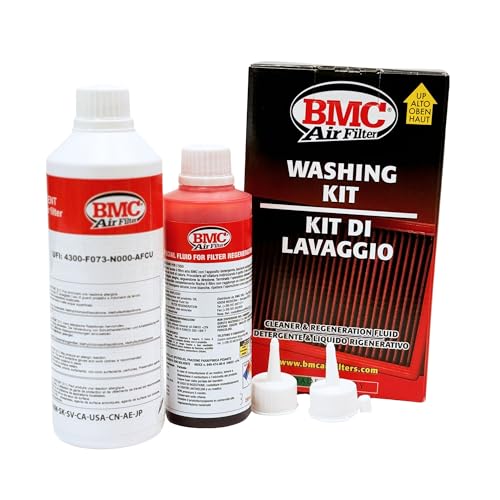
- Metal air filter wash kit with cleaning solution and scrub pad
- Reinforced nylon cleaning brush for metal air filters


Before You Start
Ensure the HVAC system is powered off and the area around the unit is accessible. Remove the filter carefully to avoid dislodging accumulated dust into the ductwork. Wear protective gloves to prevent skin irritation from cleaners. If the filter is damaged (warped or torn), replace it rather than attempting a deep clean. Typical cleaning time ranges from 20 to 60 minutes depending on buildup and filter size.
Safety cautions: avoid mixing cleaning chemicals unless the manufacturer permits it, and never use bleach on aluminum filters unless explicitly recommended by the cleaner’s instructions. Let extremely dirty filters soak in a well-ventilated area away from heat sources until any loosened debris settles.
Step-By-Step: How To Clean Metal Air Filters
- Power down the HVAC unit and remove the metal filter according to the manufacturer’s instructions.
- Inspect the filter for damage. If it’s bent, warped, or torn, consider replacement rather than cleaning.
- Lightly tap the filter to dislodge loose dust by placing it over a trash can or outdoors.
- Rinse the filter with warm water from the clean side to the dirty side to push debris out of the pores.
- Apply a metal-friendly degreaser spray or a metal air filter cleaning spray and allow it to sit for 5–10 minutes, following the product directions.
- Use a reinforced nylon cleaning brush or the aluminum air filter cleaning brush set to scrupulously scrub the filter’s pleats, working in the direction of airflow.
- For stubborn grease, soak the filter in a solution from a metal filter wash kit or degreaser for 10–15 minutes, then scrub again with a brush.
- Rinse thoroughly until all soap and degreaser residue are removed. Hold the filter up to the light to verify clarity of the pleats.
- Shake off excess water and dry the filter completely in a well-ventilated area before reinstalling. Avoid reusing a damp filter.
- Reinstall the filter and run the HVAC system on low for a few minutes to ensure proper seating and airflow restoration.
- Monitor performance over the next few days and plan regular cleaning cycles based on usage and environment.
Troubleshooting
| Symptom | Likely Cause | Fix | Prevention |
|---|---|---|---|
| Filter looks dull after cleaning | Soap residue or mineral deposits | Rinse thoroughly; wipe with a clean damp cloth | Rinse twice with fresh water during future cleanings |
| Unpleasant odor persists | Mildew or trapped grease | Rewash with a stronger degreaser; ensure complete drying | Dry completely; avoid leaving wet filters |
| Airflow seems restricted after reinstall | Filter not seated properly or damaged | Check seating and inspect for cracks; replace if needed | Handle carefully; follow manufacturer guidelines |
| Filter returns to dirty state quickly | Excess dust in the area or prior buildup | Replace or upgrade to a higher-efficiency metal filter | Improve room filtration and reduce dust sources |
Common Mistakes
- Using high-pressure water or harsh solvents that can warp metal filters
- Not drying the filter fully before reinstalling
- Over-soaking aluminum filters, which can cause structural damage
- Neglecting regular cleaning in high-dust environments
Keeping a consistent cleaning routine helps prevent buildup and maintains efficient airflow through metal filters.
Tips For Best Results
- Schedule cleaning every 1–3 months for homes with pets or frequent cooking, and less often in low-dust environments.
- Use the most compatible cleaner for your filter material—stainless steel often benefits from a spray degreaser, while aluminum may respond better to a gentle brush set with a mild wash.
- Always rinse in the direction of airflow to minimize pushing debris into the ducts.
- Keep a dedicated cleaning kit on hand to streamline the process when a filter needs attention.
Call A Professional
Call a professional if the filter is severely corroded, warped, or if cleaning does not restore adequate airflow after multiple attempts. Seek expert help for installation adjustments that affect duct sealing or if there are signs of mold or water damage within the HVAC system.
FAQ
Can I clean metal air filters with household cleaners?
Yes, but use cleaners designed for metal filters or a neutral degreaser to avoid damaging the material.
How often should metal air filters be cleaned?
Typically every 1–3 months, depending on usage, environment, and filter type.
Should aluminum filters be soaked?
Brief soaking is acceptable for heavy grease, but do not soak too long to prevent material damage.
Is it okay to reuse a dirty filter after cleaning?
Only if the filter shows no damage and airflow is fully restored after cleaning. Otherwise replacement is recommended.
Buying Guide
When choosing filtration cleaning gear, consider factors such as compatibility with metal filters, cleaning power, and ease of use. Below are key buying considerations to help compare products and select the best option.
- Size and compatibility: Ensure sprays and brushes match the filter material (stainless steel, aluminum, or mixed metal).
- Cleaning power: Look for degreaser strength suitable for kitchen grease or industrial dust without harsh solvents.
- Brush type: Reinforced nylon brushes provide stiffness for embedded grime without scratching metal surfaces.
- Kit completeness: A wash kit with cleaning solution and scrub pad offers a full cleaning workflow in one package.
- Durability: Long-lasting brushes and spray bottles reduce the need for frequent replacement.
- Ease of use: Ergonomic handles and clear instructions help ensure thorough cleaning and safety.
- Maintenance environment: Consider products that are easy to store and safe for frequent use in a home workshop.
Thinking about noise, efficiency, or placement of your HVAC system? A well-cleaned metal filter supports steady airflow and can reduce energy stress on the blower. If your setup uses multiple filters or unusual configurations, consult the unit’s manual for specific cleaning intervals and compatible products.