Unstained wood requires careful cleaning to preserve its natural color and finish. This guide provides practical steps using common supplies to safely refresh bare wood without causing damage. The methods emphasize gentle cleaning and appropriate products for raw wood surfaces.
Quick Answer
Dust first with a soft, dry cloth, then wipe with a damp microfiber cloth using a mild cleaner designed for bare wood. For tougher grime, a soft bristle brush helps lift particles without scratching. Finish with a dry microfiber cloth to remove moisture completely.
What You’ll Need
Gather these tools and supplies to clean untreated wood effectively:
- unfinished wood cleaner 32 oz spray for light cleaning and gentle lift
- soft bristle brush for cleaning bare wood to dislodge ingrained dirt
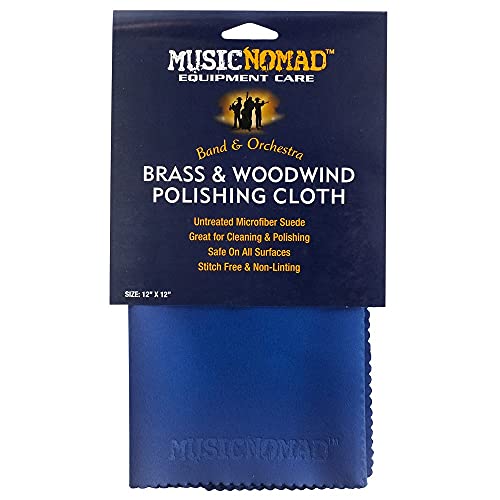
- microfiber cloths for untreated wood surfaces for safe wiping and drying
- mineral spirits for cleaning raw wood for stubborn stains or residues
- wood cleaning sponge for bare wood furniture to gently scrub without scratching


Before You Start
Prepare the area by clearing dust and protecting nearby surfaces. Work in a well-ventilated space and test cleaners on a small hidden area first. Allow the wood to dry completely between steps. Avoid saturating bare wood with water, which can cause swelling or warping. Time estimate: 20–45 minutes depending on the surface and grime level.
Step-By-Step: How To Clean Unstained Wood Surfaces
- Initial dusting: Use a dry microfiber cloth to remove loose dust and debris from all surfaces.
- Gentle wipe with cleaner: Lightly spray the unfinished wood cleaner 32 oz on a microfiber cloth and wipe, following the grain.
- Scrub resistant spots: For stubborn spots, use the soft bristle brush in a gentle circular motion, never applying heavy pressure.
- Rinse with a damp cloth: Wipe away cleaner residue with a damp microfiber cloth to prevent streaks.
- Address deeper grime: If needed, apply a small amount of mineral spirits to a clean cloth and wipe the area, then immediately dry with a fresh cloth.
- Dry thoroughly: Use a dry microfiber cloth to remove all moisture and prevent water damage.
- Finish check: Inspect for remaining spots and repeat the process on high-traffic areas if necessary.
- Final wipe: Give a final pass with a clean, dry microfiber cloth to ensure a uniform, matte finish.
Troubleshooting
| Symptom | Likely Cause | Fix | Prevention |
|---|---|---|---|
| Streaks or watermarks | Leftover moisture or residue | Wipe with a damp cloth, then dry completely | Wipe in the direction of the grain; avoid over-wetting |
| Sticky surface after cleaning | Excess cleaner residue | Buff with a dry microfiber cloth until dry | Use minimal cleaner and thorough rinsing |
| Discoloration on light wood | Overexposure to cleaners | Switch to gentler cleaner and test first | Spot-test in a hidden area |
| Scratches appear after cleaning | Aggressive scrubbing | Switch to softer brush and lighter pressure | Use protective pads and soft tools |
Common Mistakes
- Using excessive water on bare wood, which can cause warping
- Applying stronger cleaners not intended for untreated wood
- Scrubbing too hard with a stiff brush or sponge
- Skipping a final drying step, leaving moisture behind
Tips For Best Results
- Always test cleaners on a hidden area before full-use testing
- Work with the grain to minimize scratches and improve results
- Use microfiber cloths for their softness and lint-free properties
- Keep wood properly dried to maintain its natural hue and strength
Call A Professional
Consider contacting a professional if the wood shows deep staining, warping, or finish damage that cleaning alone cannot resolve. Signs to pause and seek help include persistent discoloration, significant swelling, or finished surfaces that seem compromised.
FAQ
Can I use water to clean bare wood?
Water should be used sparingly on bare wood to avoid swelling. When used, it should be followed by immediate drying.
Is mineral spirits safe on all bare wood?
Mineral spirits are effective for certain residues but should be tested first and used in a well-ventilated area.
What’s the best tool for cleaning large flat bare wood surfaces?
A microfiber cloth paired with a soft-bristle brush for spots works well for most surfaces.
How long does bare wood take to dry after cleaning?
Drying times vary by environment but usually range from 15 to 30 minutes per cleaned area.
Buying Guide
Key buying factors help choose products for cleaning unstained wood:
- Size: Consider a spray bottle size that fits your cleaning frequency and surface area.
- Noise level: Not applicable for hand cleaning; focus on product scent and ease of use.
- Energy efficiency: Not applicable in manual cleaning; choose products with concentrated formulas to minimize waste.
- Controls: Look for simple spray or squeeze bottles to reduce waste and mess.
- Placement: Store cleaners in a dry, accessible area away from direct sunlight and heat.
When comparing options, prioritize products labeled safe for untreated wood, low odor, and quick-drying formulas. If possible, select a kit that combines a cleaner, soft brush, and microfiber cloths for a cohesive approach to maintaining bare wood surfaces. Do you prefer a single-task cleaner or a versatile kit for ongoing maintenance?