Blue hair can be a bold fashion statement, but many people want to switch to a more natural shade or remove blue tones. This guide explains practical, step-by-step methods to fade and remove blue dye from hair using consumer products and professional options. It emphasizes safety, scalp care, and choosing the right remover for your hair type and color goals.
The following sections provide a clear path from quick fixes to long-term maintenance, helping you decide when to DIY and when to seek professional help. Readers will learn how color removers work, how to minimize damage, and what results to expect with blue hair removal.
Quick Answer
Short take: For most at-home blue hair removal, start with a dedicated hair dye remover kit or a clarifying shampoo dye remover, follow the product instructions precisely, and condition deeply. If results are not satisfactory after one session, repeat with caution or consult a stylist for professional color removal or correction.
What You’ll Need
The following tools and products cover the common approaches to removing blue dye from hair. Each item targets blue pigments, starting with gentler options and moving to stronger, professional-grade solutions if needed.
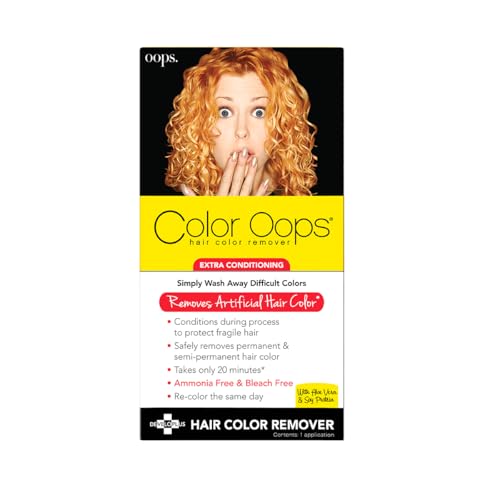
- Hair dye color remover kit for home use
- Blue hair dye remover kit
- Semi-permanent hair color remover formula
- Clarifying shampoo dye remover for blue dye
- Professional hair color remover and developer kit


Before You Start
Before attempting blue dye removal, assess hair health and history. Bleached or highly processed hair is more fragile and may require gentler methods or professional supervision. Do a strand test to gauge lift and porosity. Protect clothing and skin, and perform removal in a well-ventilated area. Time estimates vary, but plan several hours for the process, including washing and conditioning. Critical cautions: Avoid overlapping color on the scalp, and never mix products not labeled for home use without guidance.
Step-By-Step: How To Remove Blue Hair
- Prepare your workspace, gather supplies, and put on gloves. Perform a strand test using a small section to gauge reaction time and color change.
- Wash hair with a gentle, clarifying shampoo to remove surface oils. Rinse thoroughly to help subsequent removers penetrate the hair shaft.
- Apply the chosen remover kit for home use or the semi-permanent hair color remover formula according to the label directions. Start at the mid-lengths and work toward the ends, avoiding the scalp if advised.
- Cover with a processing cap or wrap as required by the product, and allow the specified processing time. Do not leave the product on longer than recommended.
- Rinse thoroughly with lukewarm water and shampoo lightly to remove residue. Condition deeply to restore moisture and smooth cuticles.
- Repeat the process if the blue tones persist, but space sessions apart to minimize hair stress. Use a color-safe conditioner after each session.
- Evaluate color result after drying. If a tint remains, decide between a toner to neutralize tones or a lighter shade to even out color.
- Consider a professional color correction if results are not satisfactory or if hair shows signs of damage (breakage, excessive tangling, or uneven color).
Troubleshooting
| Symptom | Likely Cause | Fix | Prevention |
|---|---|---|---|
| Hair remains blue after first treatment | Blue pigment is deeply bound or hair is highly porous | Follow up with a second targeted removal session per product instructions | Strand test; avoid over-processing |
| Hair feels dry or brittle | Over-processing or repeated removers | Deep conditioning and protein treatment, limit sessions | Space out sessions and use bond-repair conditioners |
| Uneven color after removal | Inconsistent application or porosity differences | Even out with a toning product or color-correcting service | Section hair evenly and test porosity beforehand |
| Product causes scalp irritation | Sensitivity or incorrect application | Rinse immediately, discontinue use, consult a professional | Perform a skin patch test 24–48 hours before use |
Common Mistakes
- Over-processing to force faster removal, which can damage hair.
- Rushing steps or skipping strand tests, leading to uneven results.
- Using household cleaners or bleach substitutes not designed for hair color removal.
- Ignoring aftercare, resulting in dryness or color stripping rebound.
Being patient and following product-specific instructions helps minimize damage while achieving a more natural shade.
Tips For Best Results
- Always perform a strand test to predict color lift and damage potential.
- Choose the gentlest effective remover first; reserve stronger formulas for stubborn blue tones.
- Condition and treat hair between sessions to maintain elasticity and shine.
- Consider color correction or toning if a cooler or mismatched hue remains after removal.
- Document the process with notes and photos to track progress and plan next steps.
Call A Professional
Consult a professional colorist if you notice persistent blue contamination after multiple at-home removals, significant damage, or if you want a precise color correction. Stop and seek help if scalp irritation, burning, or excessive shedding occurs. A pro can assess porosity, tailor a removal plan, and execute safer techniques such as controlled color stripping or professional toning.
FAQ
Can I remove blue hair with household products?
Yes, but results vary. Use products designed for color removal and follow instructions closely to minimize damage.
Will blue dye always lift evenly?
Not always. Porosity differences and underlying bleached levels can cause uneven results; plan for toning or professional refinement if needed.
How many sessions are typically needed?
One to two sessions are common for mild blue tones; stubborn shades may require additional sessions with proper intervals.
Is toning required after removal?
Often yes. Toners neutralize remaining hues and help achieve a natural or desired shade post-removal.
What about damage prevention?
Use deep conditioners, bond-repair treatments, and avoid aggressive processing to protect hair integrity.
When should I seek a professional?
Consider professional help if color removal is incomplete after a couple of attempts, if hair is very damaged, or if you want precise color corrections.
Can blue hair be dyed over safely after removal?
Yes, once the hair is in good condition and color is at a neutral or desired base, you can recolor with professional guidance.
Buying Guide
When shopping for products to remove blue hair, consider size, concentration, and ease of use. Look for color remover kits designed for home use, clarified formulas for quick lift, and professional-grade options for stubborn tones. Consider the compatibility with your current color, hair type, and porosity. Noise level, processing time, and the availability of aftercare products also impact overall satisfaction. Accessibility, clear instructions, and customer reviews help compare products effectively. Always prioritize hair health and safety over speed.