Metal items can look new again with the right approach to cleaning and protection. This guide provides practical steps for American homeowners and hobbyists to clean metal surfaces while preventing rust from forming. The focus is on common metals, safe cleaners, and durable protective coatings that fit a typical workshop or garage setup.
Quick Answer
Protect first, clean second. Start with a light cleaning to remove grime, then treat bare metal with rust inhibitors or anti-rust coatings. For stubborn rust, use a dedicated rust remover spray for metal surfaces, followed by a rust converter treatment for metal to stop oxidation and seal the surface. Finish with a metal polish rust inhibitor kit to restore shine and add ongoing protection.
What You’ll Need
- Rust remover spray for metal surface or a rust converter treatment for metal
- Metal polish rust inhibitor kit
- Anti rust protective coating for metal instruments or equivalent protective spray
- Rust inhibiting oil for metal tools for ongoing protection
- Soft lint-free cloths, microfiber towels
- Non-scratch plastic or nylon brushes
- Gloves and eye protection
- Isopropyl alcohol or a mild degreaser


Before You Start
Assess the metal type and the surface finish. Read label directions on all products and test on a small, inconspicuous area first. Work in a well-ventilated space and wear protective gloves. For outdoor tools, plan cleaning on a dry day to prevent moisture from trapping under coatings. Time estimates vary: basic cleaning can take 15–30 minutes, while full rust treatment and sealing may take 1–2 hours depending on surface size and severity. Important: avoid acidic cleaners on already polished or plated surfaces unless the product specifies compatibility.
Step-By-Step: How To Clean Metal Without Rusting
- Prepare the surface by wiping away loose dirt with a dry cloth. If needed, use a damp cloth with a mild degreaser and let the metal dry completely before proceeding.
- Address surface rust for small spots by applying the rust remover spray for metal surface to a cloth and gently rubbing the area. Avoid over-wetting joints or porous areas.
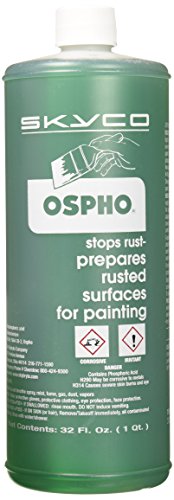
- Neutralize and convert if rust is active or widespread: apply a rust converter treatment for metal per label instructions. This chemically converts iron oxide to a stable layer and reduces future rust risk.
- Rinse and dry thoroughly after treatment. Use a clean cloth to remove any residue and ensure the surface is fully dry before sealing.
- Polish for protection and shine with a metal polish rust inhibitor kit. This restores luster and adds a protective layer that helps resist moisture and staining.
- Apply protective coating with an anti rust protective coating for metal instruments or an equivalent product. Follow the coating’s curing times and ventilation requirements.
- Reapply rust-inhibiting film as needed and wipe off any excess to prevent tackiness. For tools, a thin coat of rust inhibiting oil for metal tools can provide ongoing protection.
- Cure and store properly after coating. Keep items dry, away from corrosive environments, and stored in a ventilated area to maximize coating life.
- Routine maintenance schedule quick wipe-downs after use and reapply oil or coating every few months for high-humidity environments.
- Regular inspection for signs of rust or coating wear and address promptly to prevent spread.
Troubleshooting
| Symptom | Likely Cause | Fix | Prevention |
|---|---|---|---|
| Rust returns after cleaning | Moisture exposure or insufficient coating | Reapply rust converter and protective coating; ensure thorough drying | Store in dry area; reapply oil or coating seasonally |
| Discolored or streaky finish after coating | Uneven application or residues | Wipe with a clean cloth, reapply thin coat evenly | Use lint-free cloths and follow curing times |
| Stiff or gummy coating | Over-application or incompatible products | Remove excess and apply a thin layer; allow proper cure | Test compatibility on a small area first |
| Oil-based coating feels tacky | Incomplete drying or humidity | Improve ventilation; extend curing time | Apply in dry, moderate humidity conditions |
Common Mistakes
- Skipping a thorough dry stage before applying coatings
- Using abrasive tools that scratch protective layers
- Overapplying chemicals, leading to residue or clogging
- Ignoring test patches on delicate finishes
- Assuming one product fits all metals without checking compatibility
Tips For Best Results
- Work in segments on large items to ensure even coverage and cure times
- Keep items off concrete or steel stands to prevent rust transfer from the surface below
- Store treated items in a low-humidity environment to maximize coating life
- Label products and follow their specific dwell times for optimal protection
- For electrical or precision instruments, prioritize non-conductive protectants and barrier coats
Call A Professional
Remove items with extensive corrosion, structural compromise, or uncertain coatings. If rust has penetrated deeply, if you notice pitting, or if coatings fail to cure as indicated, consult a professional metalworker or conservator. Seek urgent help if corrosion affects safety-critical components like fasteners, structural members, or tools with bearing surfaces.
FAQ
Can I use household cleaners to remove rust on metal?
Household cleaners may not effectively stop rust or protect the surface. Use products designed for rust removal and corrosion protection as directed by the label.
Is it safe to apply rust inhibitors on all metal types?
Most inhibitors are formulated for common metals, but check compatibility with aluminum, magnesium, or plated finishes before use.
How often should I recoat outdoors tools?
Recoat every few months in high-humidity environments, or whenever the coating shows wear or dullness.
What is the difference between rust remover and rust converter?
Rust remover dissolves rust, while rust converter transforms rust into a stable layer and primes the surface for sealing.
Do I need to remove old coatings before reapplying?
Yes, lightly sand or wipe to ensure new coatings adhere properly.
Should I polish after applying anti-rust coating?
Polishing after coating can be unnecessary and may compromise the protective layer; follow product instructions.
Buying Guide
When choosing products to clean metal without rusting, consider several buying factors to fit different needs and budgets.
- <bSize and surface area: Larger items may require more product or multiple applications. Assess whether you need spray or liquid formulations for reach and control.
- <bNoise level and ease of use: Sprayers and mechanical applicators vary in noise and ease. Choose tools that fit your workspace and tolerance for noise.
- <bEnergy efficiency: Electric sprayers or polishers with efficient motors save energy during frequent maintenance tasks.
- <bControls: Look for simple, clear instructions and visible curing times. Labels should indicate compatibility with your metal type.
- <bPlacement: Store products in a dry, ventilated area away from heat sources. Use sealed containers to prevent moisture ingress.
- <bDurability of coatings: Consider coatings with UV resistance, moisture barriers, and abrasion resistance for high-use tools or outdoor equipment.
- <bSafety and compatibility: Review safety data sheets for fumes and skin contact; ensure compatibility with any sensitive finishes on your items.
- <bMaintenance cadence: Some products require periodic reapplication; plan a maintenance calendar based on climate and storage.