Window frames accumulate dust, dirt, and smudges from daily use and seasonal weather. A practical cleaning routine helps maintain curb appeal and extends the life of the frames. This guide focuses on common frame materials found in American homes and uses accessible tools to deliver a streak-free finish.
Quick Answer
Use a soft nylon scrub brush or a microfiber cloth with a mild cleaning solution. For tight corners, an adjustable nozzle spray bottle helps apply cleaner precisely. Rinse with a clean damp cloth and dry thoroughly to prevent water spots.
What You’ll Need
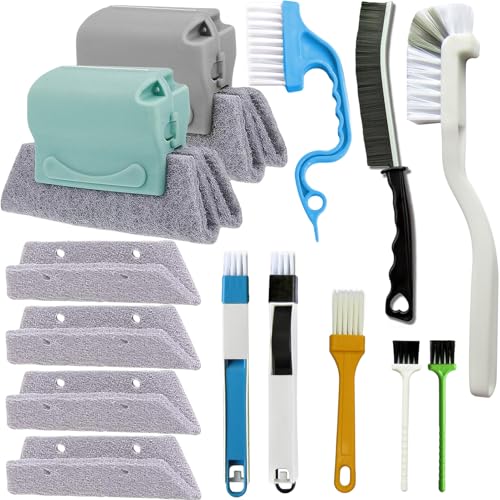
- vinyl window frame cleaning brush kit
- extension pole window cleaning squeegee kit
- nylon scrub brush for window frames
- microfiber cloths for window frame cleaning
- adjustable nozzle spray bottle for window frame cleaning


Before You Start
Protect nearby surfaces with a drop cloth or old towels. Work in a shaded area to avoid rapid drying, which can leave streaks. Test cleaners on a small, inconspicuous area first to ensure compatibility with the frame material. Time estimate: 15–45 minutes per average window. Avoid harsh chemicals that can degrade finishes and never use abrasive pads on delicate surfaces.
Step-By-Step: How To Clean Window Frames
- Remove loose dust with a dry microfiber cloth, paying attention to corners and seams.
- Apply a mild cleaner to the nylon scrub brush or directly to a microfiber cloth; never saturate wood or delicate trims.
- Scrub frame profiles with gentle, even strokes, tackling stubborn grime in crevices.
- For hard-to-reach spots, attach the extension pole window cleaning squeegee kit and rinse light debris with a controlled spray.
- Wipe away loosened dirt with a clean, damp microfiber cloth; follow with a dry cloth to remove moisture.
- Inspect each frame for leftover grime; repeat as needed on problem areas.
- Rinse cloths frequently to prevent re-depositing dirt, and keep cleaning sessions brief to minimize moisture exposure.
- Dry thoroughly, especially around seals, to prevent mold or mildew growth.
- If frames are vinyl, avoid high-pressure streams that may loosen edges; use a gentle rinse instead.
- Store tools dry and clean to prolong tool life and prevent rust or odor transfer.
- Repeat seasonally or as needed to maintain fresh-looking frames.
Troubleshooting
| Symptom | Likely Cause | Fix | Prevention |
|---|---|---|---|
| Streaks after drying | Residue from cleaner or hard water | Use distilled water and wipe with a dry microfiber cloth | Rinse tools and cloths thoroughly; avoid leaving cleaner on surfaces |
| Scratches on vinyl or painted frames | Abrasion from abrasive pads | Switch to a nylon brush and soft cloth | Never use steel wool or rough pads |
| Stubborn mildew in corners | Moisture retention in seams | Apply a mold-safe cleaner and dry promptly | Ventilate area; wipe dry after cleaning |
| Water spots on glass adjacent to frames | Excess water while cleaning | Dry frames first, then wipe glass with a separate microfiber cloth | Clean in sections to control moisture |
Common Mistakes
- Over-wetting frames, especially wooden ones, which can warp or swell
- Using abrasive tools on delicate finishes
- Neglecting corners and weather-strips where grime hides
- Rushing drying, leading to water spots or mold growth
- Using the same cloth on dirty frames and clean surfaces without rinsing
Tips For Best Results
- Work in the shade to prevent rapid drying and streaks
- Use a dedicated microfiber cloth for frames and another for glass to avoid cross-contamination
- Test cleaners on an inconspicuous area first, especially on painted or stained frames
- Keep a separate spray bottle for water-only rinses to minimize chemical exposure
- Regularly clean tools; dirty brushes reduce cleaning efficiency
Call A Professional
Consider a pro if frames show structural damage, persistent mold, or if cleaning requires specialized products for historic or fragile finishes. Stop and call a professional when you notice peeling paint, warped edges, exposed hardware, or moisture behind the frame. For complex window systems, a professional ensures safety and avoids accidental window damage.
FAQ
Can I use vinegar on vinyl window frames?
Yes, a diluted vinegar solution can be effective on vinyl, but avoid prolonged contact on painted or labeled surfaces and rinse well.
Are extension poles safe for all window types?
Extension poles are generally safe for most exterior and interior frames, but avoid heavy pressure on delicate trims.
How often should I clean window frames?
Cleaning every 3–6 months keeps frames looking fresh; more frequent cleaning may be needed in dusty or smoky environments.
What cleaning products are best for metal frames?
Use mild, non-abrasive cleaners and soft brushes to prevent scratching and corrosion.
Is it okay to use a steam cleaner on window frames?
Steam can damage certain finishes; consult manufacturer guidelines and test a small area first.
Do you need to dry frames before cleaning adjacent glass?
Yes, drying frames first helps prevent transferring moisture to glass and reduces streaks.
What about wooden window frames?
Use a gentle cleaner, avoid excess moisture, and consider a wood-safe conditioner after cleaning to maintain finish.
Buying Guide
Choosing the right tools for cleaning window frames boosts efficiency and results. Consider size, compatibility with your frame material, and the level of reach you need. Noise levels and energy efficiency apply mainly to automated or powered tools, but manual kits should still feel comfortable and effective. When comparing products, look for durable bristles, soft fabrics, and ergonomic handles to reduce strain during longer cleaning sessions. Placement matters: keep cleaning kits near windows you clean most often, and store gear in a dry, accessible area to extend tool life.
Key Buying Factors
- Frame material compatibility – vinyl, wood, and metal require different care methods; choose brushes and cloths designed for your type.
- Cleaning reach – consider extension poles for high or tall windows to minimize ladders.
- Brush softness – nylon brushes prevent scratches on delicate finishes.
- Cloth quality – high-grade microfiber cloths capture dust without leaving fibers behind.
- Spray control – an adjustable nozzle helps apply cleaner precisely where needed.
- Storage and portability – compact kits with organized compartments save time.
Do you need to tackle multiple frame styles around the home? A versatile kit that includes a vinyl-safe brush, microfiber cloths, and a telescoping pole can cover most scenarios. Are you protecting your investment by choosing the right cleaners? Yes, using the right, gentle products helps preserve finishes longer while delivering a clean, streak-free result.