Ants in the kitchen can be persistent and challenging. This guide focuses on practical, evidence-based steps to reduce and control a food ant problem, using common household products. It highlights safe indoor methods and consumer-friendly products designed for kitchen and pantry areas.
Quick Answer
To tackle a food ant issue effectively, start with sealing entry points and cleaning surfaces, then deploy targeted baits and safe diatomaceous earth where ants travel. Use a combination of indoor ant bait stations, kitchen-safe sprays, and interior dust to disrupt trails and minimize new colonies. Regular monitoring and rapid reapplication after rain or cleaning sessions help keep ants from returning.
What You’ll Need
The following tools and products align with typical indoor ant control recommendations. They are chosen to address kitchen and pantry settings and work against common pantry ants.
- ant bait stations for indoor kitchen use
- diatomaceous earth ant killer powder for inside cabinets
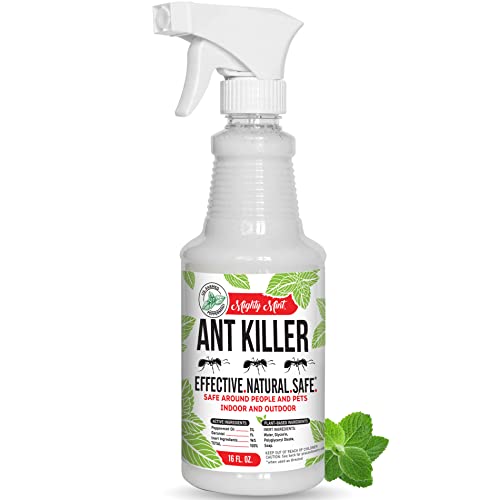
- ant spray for kitchen use
- indoor ant traps pantry ants bait
- ant dust diatomaceous earth interior walls


Before You Start
Before applying products, prepare the area to prevent unintended exposure. Clean up crumbs, grease, and spills; wipe counters with a disinfectant to remove attractants. Seal entry points like gaps around baseboards, pipes, and cabinets to limit new foraging paths. Time estimates vary by infestation size: a few hours for setup and initial results, with ongoing monitoring over days to weeks. Always read product labels for usage directions and safety notes.
Step-By-Step: How To Get Rid Of Food Ants
- Identify active trails by observing which paths ants use to travel from exterior entrances to food sources.
- Place ant bait stations for indoor kitchen use along trails and near entry points, ensuring they are out of reach of children and pets.
- Apply ant spray for kitchen use around door thresholds, baseboards, and under sinks where ants may enter or hide.
- Dust interior walls and cabinets with ant dust diatomaceous earth interior walls to disrupt nests and stop random foraging by creating a desiccating barrier.
- Use diatomaceous earth ant killer powder for inside cabinets inside cabinet corners, shelves, and behind stored foods to intercept colonies.
- Monitor bait stations daily and replace or reposition bait as ants intermix with liquid or granular formulations.
- Limit water sources near food by fixing leaks and drying damp areas, reducing ideal ant habitats.
- Clean up bait residues after several days if ants stop interacting with stations and reapply new bait elsewhere if trails persist.
- Continue this cycle for 7–14 days, adjusting placement, and adding new bait stations to cover additional entry points as needed.
- Inspect pantry shelves for signs of infestation, discard any heavily contaminated foods, and reorganize storage in sealed containers to prevent future outbreaks.
- Maintain a routine: check bait, replace dusty areas, and re-seal access routes to sustain long-term control.
- When ant activity diminishes to near zero, perform a week-long maintenance check to catch any resurgence early.
Troubleshooting
| Symptom | Likely Cause | Fix | Prevention |
|---|---|---|---|
| Ants ignore bait stations | Bait not attractive to the species | Try a different bait formulation or change placement | Rotate baits, keep stations dry |
| Ants return after a few days | Undetected colony nearby | Expand bait coverage to exterior entry points | Seal gaps and store foods in sealed containers |
| Dust appears ineffective | Application too thin or on non-foraging zones | Reapply along trails and inside cracks | Revisit surface textures and apply where ants travel |
| Spray causes residue or odors | Overuse or incompatible product with surfaces | Limit to problem areas and follow label directions | Ventilate after use; use targeted sprays |
| Ants persist in cabinets | Hidden nest or moisture source | Inspect behind appliances and under sinks | Address moisture and clean regularly |
Common Mistakes
- Using spray alone without addressing trails or sources
- Ignoring interior walls and cabinet corners where dust can be effective
- Overlooking sealed food storage and pantry organization
- Reusing an ineffective bait without trying alternatives
- Failing to maintain treatments once activity dips
To reduce failures, combine multiple strategies and monitor progress weekly. A calm, methodical approach often yields the best long-term results.
Tips For Best Results
- Place bait stations near entry points and along known foraging trails, not directly in front of food items.
- Keep areas dry and clean; ants are attracted to moisture as well as food.
- Rotate products if ants seem to develop a tolerance to one type of bait.
- Store food in airtight containers and wipe down shelves after every shopping trip.
- Document initial activity to measure effectiveness and adjust tactics accordingly.
Call A Professional
If ant activity continues for more than two weeks despite comprehensive measures, or if the infestation becomes widespread in multiple rooms, consider consulting a licensed pest control professional. Seek help if ants are present in areas with electrical wiring, behind appliances, or if pets and children are frequently exposed to treatment products.
FAQ
What is the fastest way to get rid of ants in the kitchen?
Combine cleaning to remove attractants, set on-trail bait stations, and treat entry points with a targeted spray to disrupt foraging and start reducing the colony.
Are diatomaceous earth products safe for indoor use?
Diatomaceous earth can be safe when used as directed, but avoid inhalation and apply only to dry areas where ants travel. Keep away from food-contact surfaces.
Can I use multiple products at once?
Yes, if used according to label instructions and with attention to safety for children and pets. Space out applications and avoid over-concentrating in one area.
How long does it take to see results?
Results vary by infestation size, but most homes see reduced activity within days to a couple of weeks with consistent treatment.
Should I discard contaminated pantry items?
Yes, remove contaminated foods and sanitize shelves to prevent re-attracting ants.
Is it necessary to seal all entry points?
Sealing entry points reduces re-infestation and complements bait and spray strategies.
What if I have a garden ant problem outside?
Address exterior access points and ensure indoor strategies do not attract more ants indoors; consider exterior barriers and proper sanitation.
Buying Guide
Choosing products for indoor ant control involves several practical considerations. The goal is to balance efficacy, safety, and ease of use in kitchen and pantry environments.
Size and coverage: Consider the size of the area to treat and whether you need portable, small-format products or larger, multi-pack solutions. For a typical kitchen and pantry, a combination of bait stations and interior dust works well.
Noise level and odor: Some sprays or dusts can leave lingering odors. Look for low-odor formulations or odor-free dusts that are safe for food-preparation areas.
Energy efficiency and ease of use: Choose user-friendly products with simple instructions, especially for households with children or pets. Easy-to-apply powders and ready-to-use sprays save time.
Controls and placement: Opt for control options that let you place bait stations discreetly along trails and corners, and dust into cracks and behind appliances without disturbing daily use areas.
Placement and storage: Store products away from food, in labeled containers, and place ant baits in locations inaccessible to children and pets. Keep pantry items sealed and organized to minimize attractants.
Multi-method effectiveness: A combination approach—bait stations, interior dust, and targeted sprays—often yields the best results. Look for products labeled for indoor kitchen use that address pantry ants specifically.
When evaluating options, consider how easily each product can be integrated into routine cleaning and organizing. A practical approach balances immediate relief with long-term prevention, helping maintain a tidy, ant-free kitchen and pantry.